Head to head
OI Shampoo vs Acidic Bonding Concentrate Shampoo
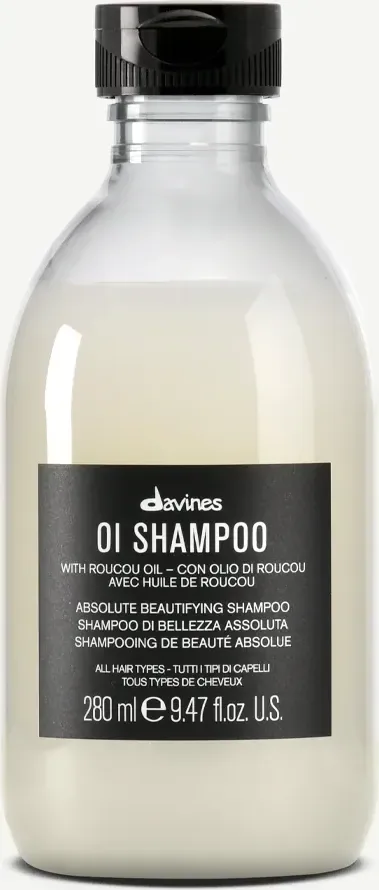
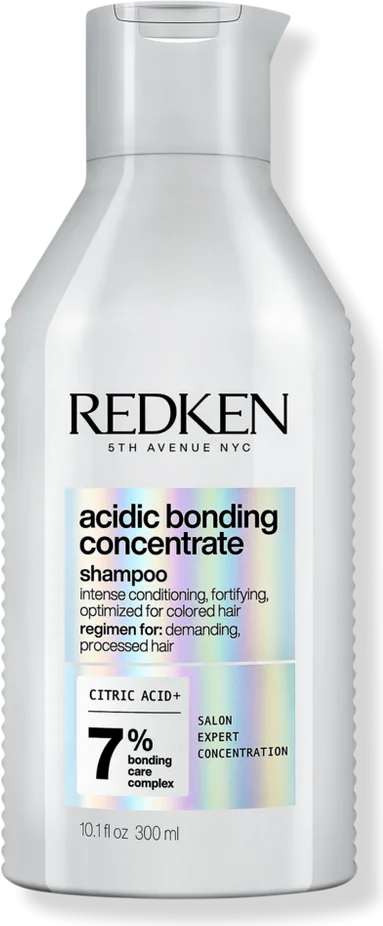
Redken Acidic Bonding Concentrate Shampoo edges out Davines OI Shampoo, 7.7 to 7.4. It wins on results, formula and value, while the OI Shampoo is stronger on texture and feel.
Benefit fingerprints
What each one does.
Davines OI Shampoo
Redken Acidic Bonding Concentrate Shampoo
Side by side
Every detail, compared.
We may earn a commission when you buy through links on this page. It never affects our scores or what we recommend. How we make money
- Hydrating
- Shine
- Frizz control
- Damage repair
- Split ends
- Smoothing
- Color protection
- • Dry, frizzy or color-treated medium to coarse hair
- • Fans of a luxurious, scented wash-day experience
- • Pairing with the OI Conditioner or OI Oil
- • Bleached, highlighted or color-treated hair
- • Anyone building a full Redken Acidic Bonding routine
- Creamy, velvety lather that leaves hair soft and shiny
- Sulfate-free cleansing base
- Signature warm, lingering scent
- Sulfate-free, acidic-pH formula aimed at damaged and color-treated hair
- Reviewers report softer, smoother and shinier lengths after bleach or color
- Refill and liter sizes lower the cost per wash
- Expensive for a daily shampoo
- Can be too rich for fine, low-porosity hair
- Headline breakage and split-end claims rely on using several products from the line
- $37 for 300 ml is expensive for a daily shampoo
Affiliate links — we may earn a commission. How we make money
Affiliate links — we may earn a commission. How we make money
FAQ
Quick answers.
Which is better, OI Shampoo or Acidic Bonding Concentrate Shampoo?
Redken Acidic Bonding Concentrate Shampoo edges out Davines OI Shampoo, 7.7 to 7.4. It wins on results, formula and value, while the OI Shampoo is stronger on texture and feel.
Which is better value?
Davines OI Shampoo works out to about $4.54 / oz and Redken Acidic Bonding Concentrate Shampoo to about $3.65 / oz, based on typical non-Amazon retail prices when we last checked.
How do you score them?
Both are scored on the same five-factor rubric (results, formula & ingredients, texture & experience, value, community love), using the formula or specs, verified creator reviews, community consensus and value. Brands can’t pay for placement.