Best overall
Real Techniques
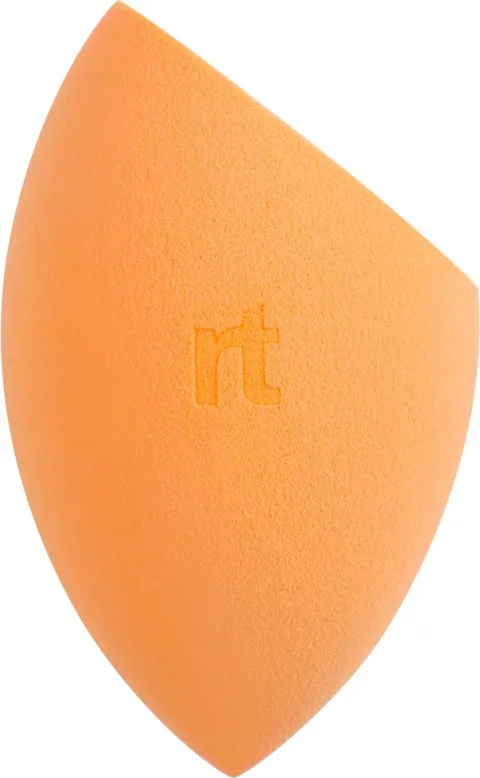
Miracle Complexion Sponge
8.3Great
The orange drugstore sponge long pitted against the Beautyblender, and Byrdie's 2026 pick for blending cream products.
Tool4$5.47
LED masks, microcurrent, facial tools, brushes and sponges, scored on evidence, build, ease of use and value.
Top rated
This category covers at-home skin devices and beauty tools: LED light-therapy masks and wands, microcurrent devices, facial cleansing brushes, gua sha and rollers, and makeup brushes and sponges. Devices are where prices and promises climb fastest, so we look closely at what published research and hands-on reviewers actually show.
The evidence varies by technology. Red and near-infrared LED has small randomized trials showing modest improvements in fine lines and skin texture, and blue light has some evidence for mild acne, though the American Academy of Dermatology notes that at-home devices are less powerful than in-office ones and hard to compare across studies. Microcurrent and facial massage tools have far less research. 'FDA-cleared' means the FDA considers a device low-risk and substantially equivalent to one already on the market; as the AAD puts it, clearance tells you nothing about how effective a device is, and 'FDA-approved' is not a meaningful claim for these products. Eye safety matters: in 2019 Neutrogena recalled its Light Therapy Acne Mask, citing a theoretical risk of eye injury for people with certain eye conditions or taking medications that increase the eyes' sensitivity to light.
Our Tool score weights performance 30%, build and reliability 20%, ease of use 15%, value 20% and community love 15%. For devices, performance reflects published studies of the device or technology and reports from long-term hands-on reviewers; build covers materials, battery life, safety features such as eye protection and timers, warranty and reliability; and ease of use weighs comfort, session length, cleaning and how likely you are to stick with it, because most devices only work with consistent use.
All devices & tools
6 products
Real Techniques
The orange drugstore sponge long pitted against the Beautyblender, and Byrdie's 2026 pick for blending cream products.
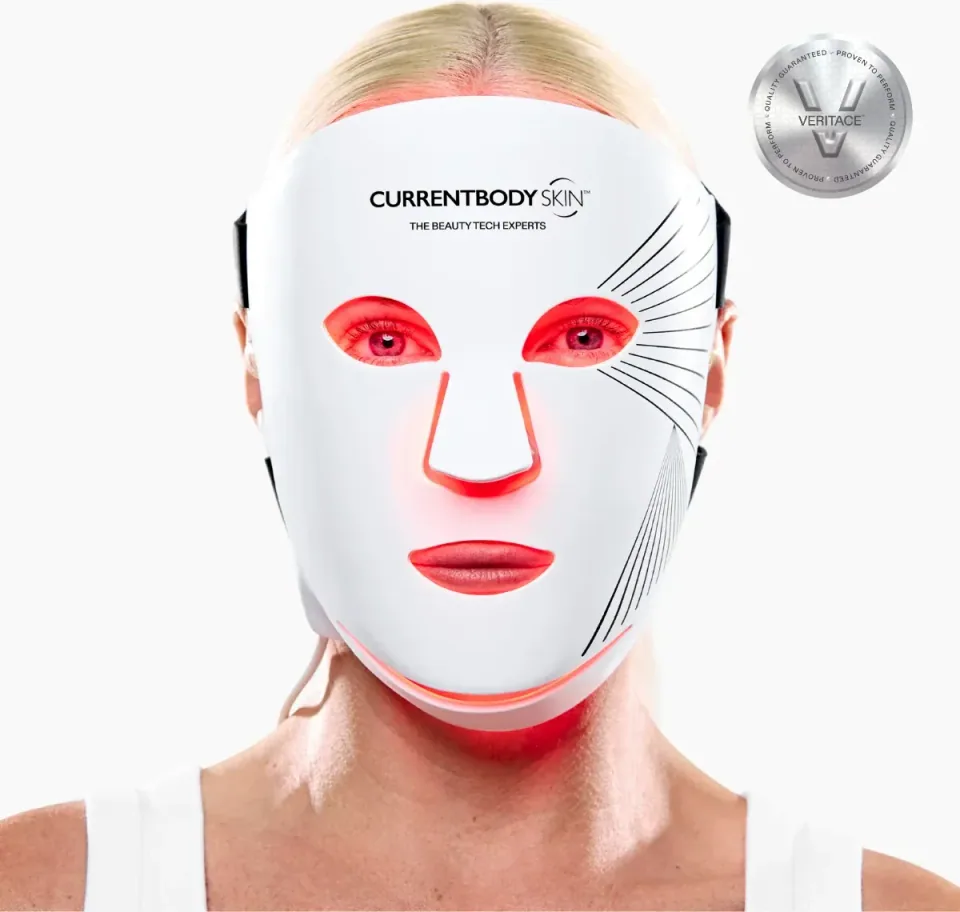
CurrentBody
A flexible silicone red and near-infrared LED mask with simple 10-minute sessions; the Series 3 has since taken the flagship slot.
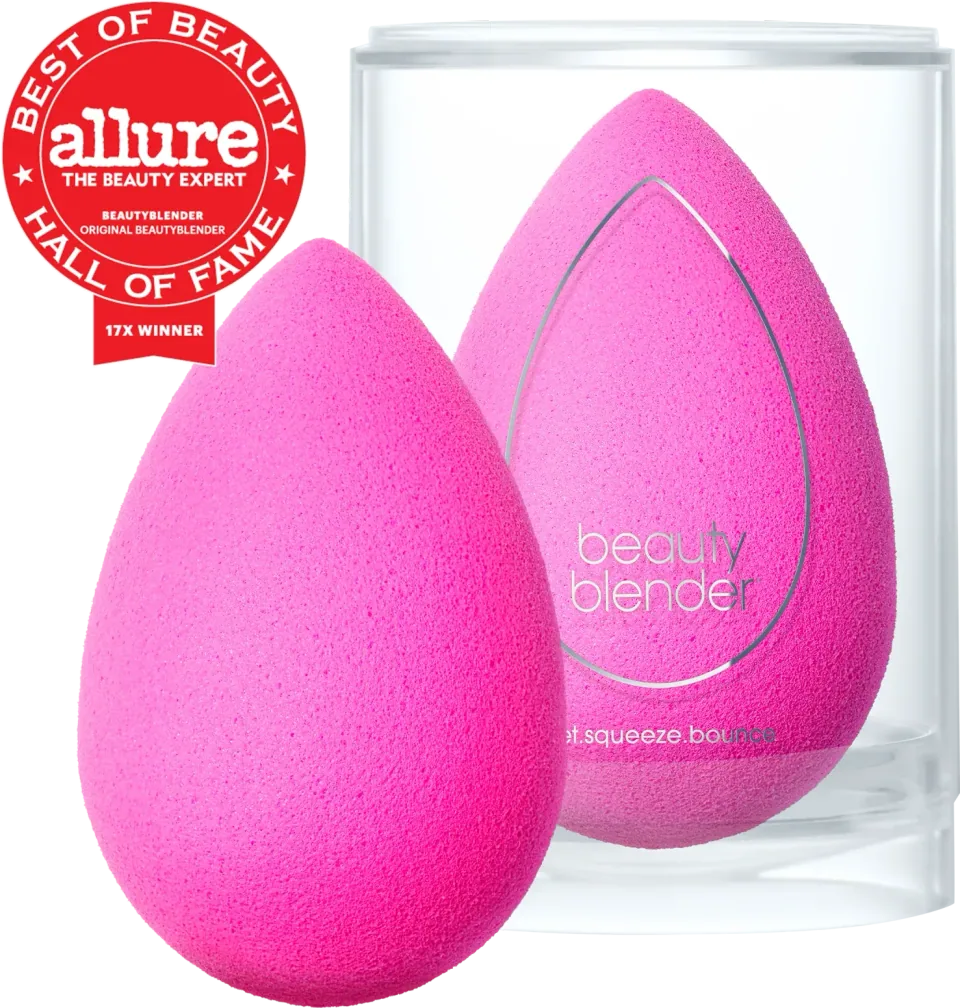
Beautyblender
The original pink, edgeless blending sponge, still a benchmark for a seamless damp-sponge finish, though cheaper rivals now come close.
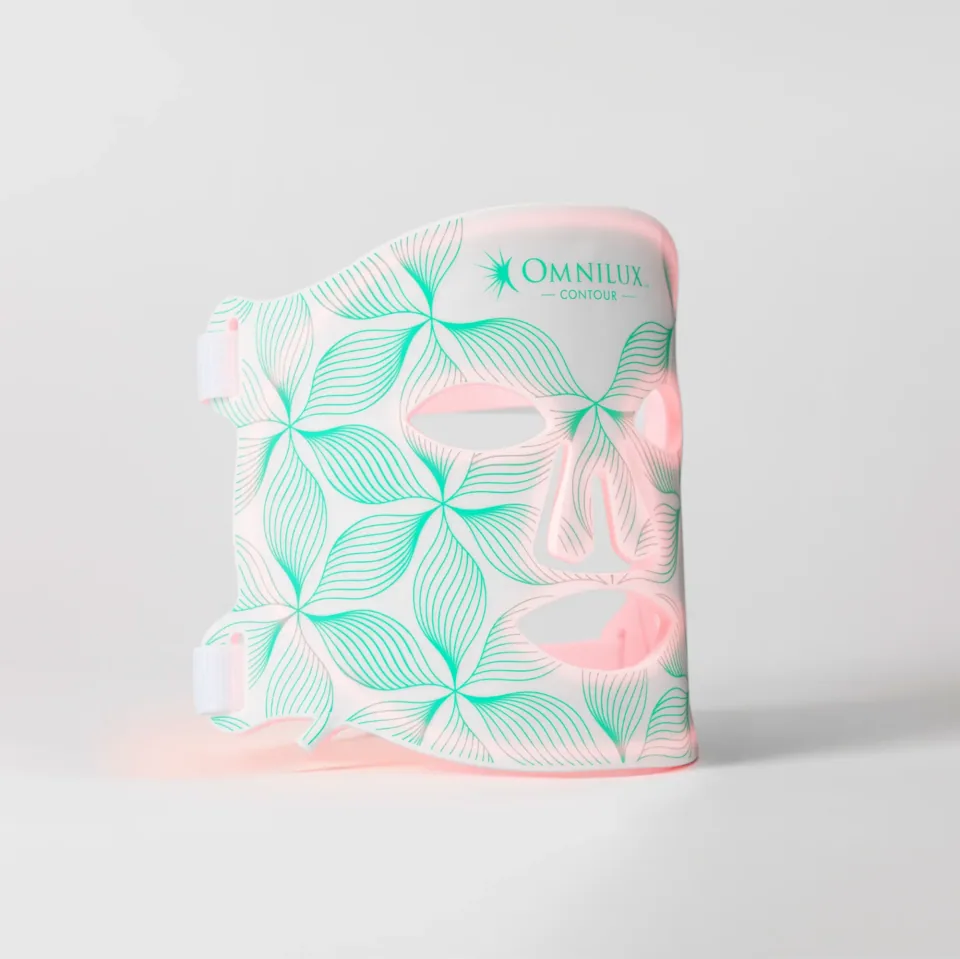
Omnilux
A flexible, FDA-cleared red and near-infrared LED mask from a professional LED maker; one button, one 10-minute program.
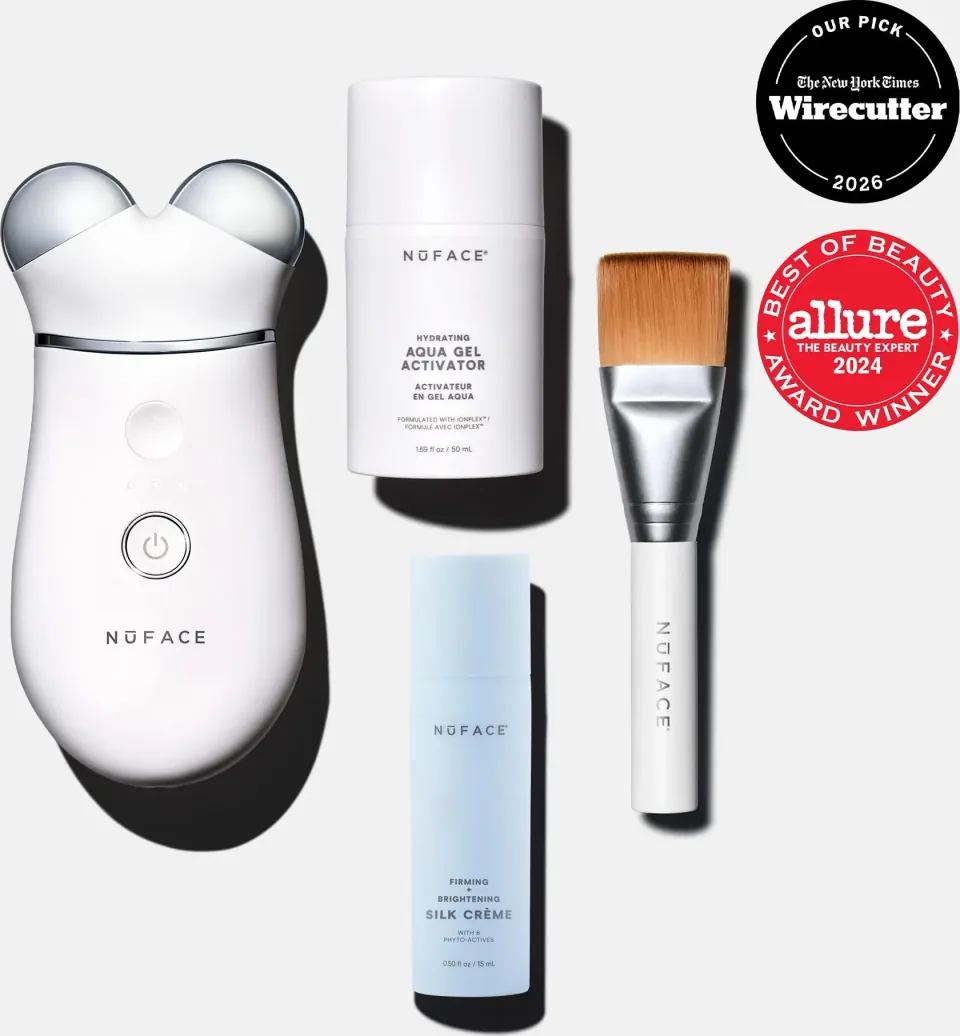
NuFACE
NuFACE's flagship FDA-cleared microcurrent device: visible same-day lift that lasts only with near-daily, five-minute sessions.
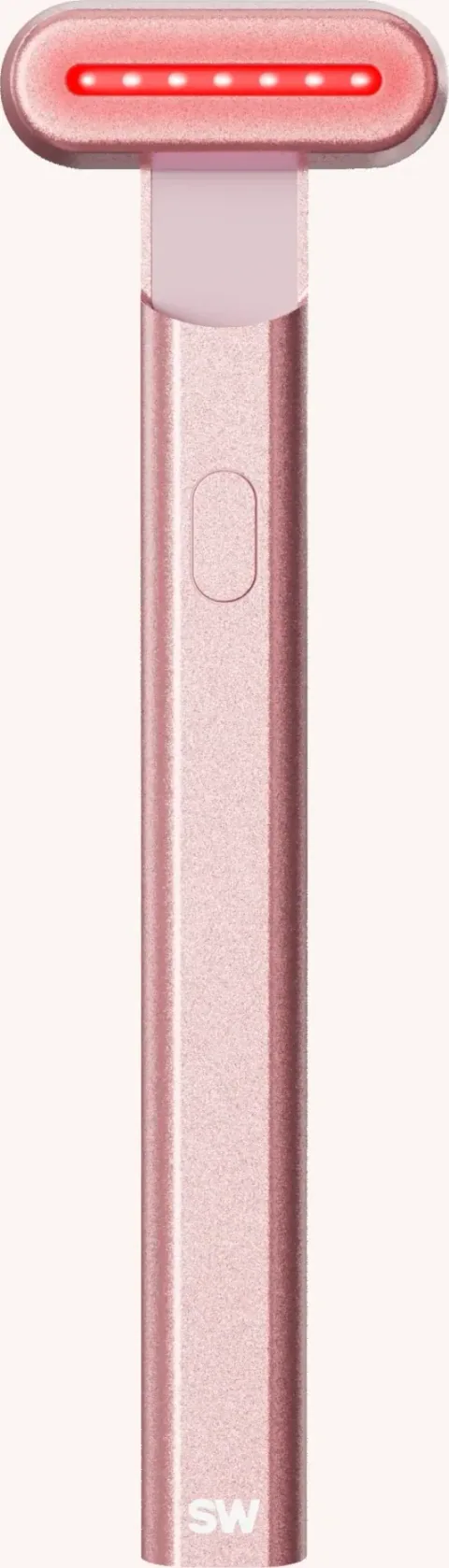
Solawave
A pocket-size red light, warmth, galvanic and vibration wand that feels pleasant to use; reviewers find the results subtle.
Buying guide
Red and near-infrared LED shows modest, gradual improvements in fine lines and texture in small studies; blue light has some evidence for mild acne. Microcurrent, rollers and gua sha mostly offer temporary de-puffing. None replaces sunscreen, retinoids or in-office treatments.
Clearance through the 510(k) process means the FDA considers a device low-risk and similar to an existing one. It is a safety signal, not proof of results. Be wary of 'FDA-approved' or 'FDA-certified' claims on at-home beauty devices.
Reputable LED devices list wavelengths (often around 630–633 nm red and 830 nm near-infrared), session length and recommended frequency. Use eye protection if the maker recommends it, and check with a doctor first if you take photosensitizing medication or have an eye condition.
Most studies used treatments several times a week for weeks or months, and results fade when you stop. Choose a device you will actually use: comfortable, cordless if possible and with a session length that fits your routine.
Brushes, sponges and facial tools collect oil, makeup and bacteria. Wash makeup sponges and brushes regularly, replace cleansing-brush heads as the maker advises and clean device surfaces after each use.
Video reviews
FAQ
Modestly, for some uses. Small randomized trials of red and near-infrared light show improvements in fine lines and skin texture over several weeks, and blue light has some evidence for mild acne. At-home masks are less powerful than in-office devices, and results depend on consistent use. Our LED mask guide reviews the research.
It means the FDA determined the device is substantially equivalent to a legally marketed device and considers it low-risk. The AAD notes that clearance tells you nothing about how effective a device is. Products that claim to be 'FDA-approved' usually are not.
Generally, for healthy adults following instructions, but manufacturers typically advise against use if you have a pacemaker or other implanted electronic device, are pregnant, or have epilepsy, and against use over broken skin or active acne. Evidence for lasting lifting effects is limited.
A good rule of thumb is to wash foundation and concealer brushes and sponges about once a week, and other brushes every couple of weeks. Replace sponges when they tear or stay stained, and never share tools used around the eyes.
Community
No discussions yet.
Tried skin devices & beauty tools? Ask a question or share how it’s working for your skin or hair — you’ll be the first.