Best overall
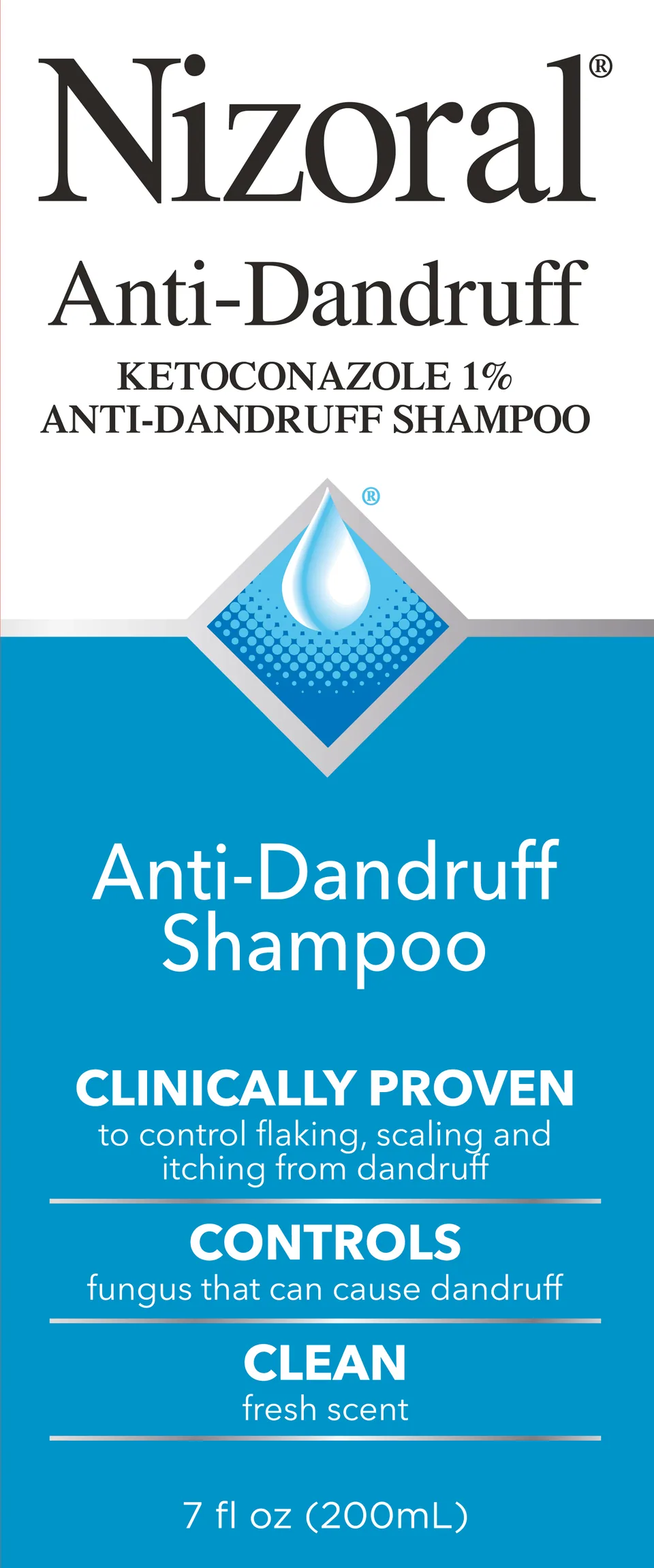
Nizoral
A-D Anti-Dandruff Shampoo (Ketoconazole 1%)
8.4Great
The drugstore ketoconazole shampoo that dermatologists and dandruff sufferers keep returning to, used just twice a week.
Shampoo4$16.88
Shampoos, conditioners, co-washes and clarifying washes, scored on results for your hair type, formula and value.
Top rated
Wash day sets up everything else your hair does. This category covers everyday shampoos and conditioners, sulfate-free and color-safe formulas, co-washes for curly and coily hair, clarifying shampoos that remove buildup, and anti-dandruff shampoos with over-the-counter actives.
The American Academy of Dermatology's advice is practical: choose products made for your hair type, wash based on how oily your scalp gets (daily for some straight, oily hair; as little as every two to three weeks for some dry, textured or coily hair), concentrate shampoo on the scalp rather than the lengths, and always follow with conditioner, on the ends for fine or straight hair and through the full length for dry or curly hair. For flakes, the AAD lists zinc pyrithione, salicylic acid, sulfur, selenium sulfide, ketoconazole and coal tar as dandruff-shampoo ingredients to look for.
Our Beauty score for shampoo and conditioner weights results 30%, formula and ingredients 20%, texture and experience 15%, value 20% and community love 15%. Results reflect cleansing, softness, detangling, frizz and scalp comfort as reported by creators and the community for the hair types a product targets; formula rewards suitable cleansers and conditioning agents for that hair type and marks down heavy fragrance for sensitive scalps; and value compares price per ounce, since you go through these quickly.
All wash day
5 products
Nizoral
The drugstore ketoconazole shampoo that dermatologists and dandruff sufferers keep returning to, used just twice a week.
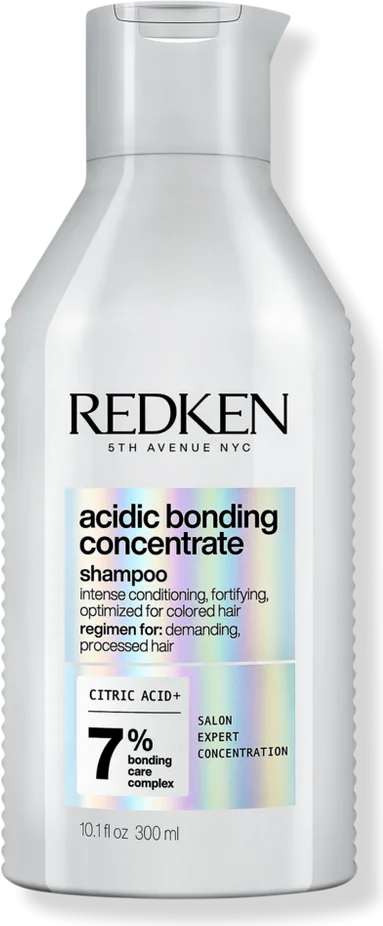
Redken
A sulfate-free, low-pH repair shampoo that colorists rate for softness on damaged hair, best used with the rest of the line.
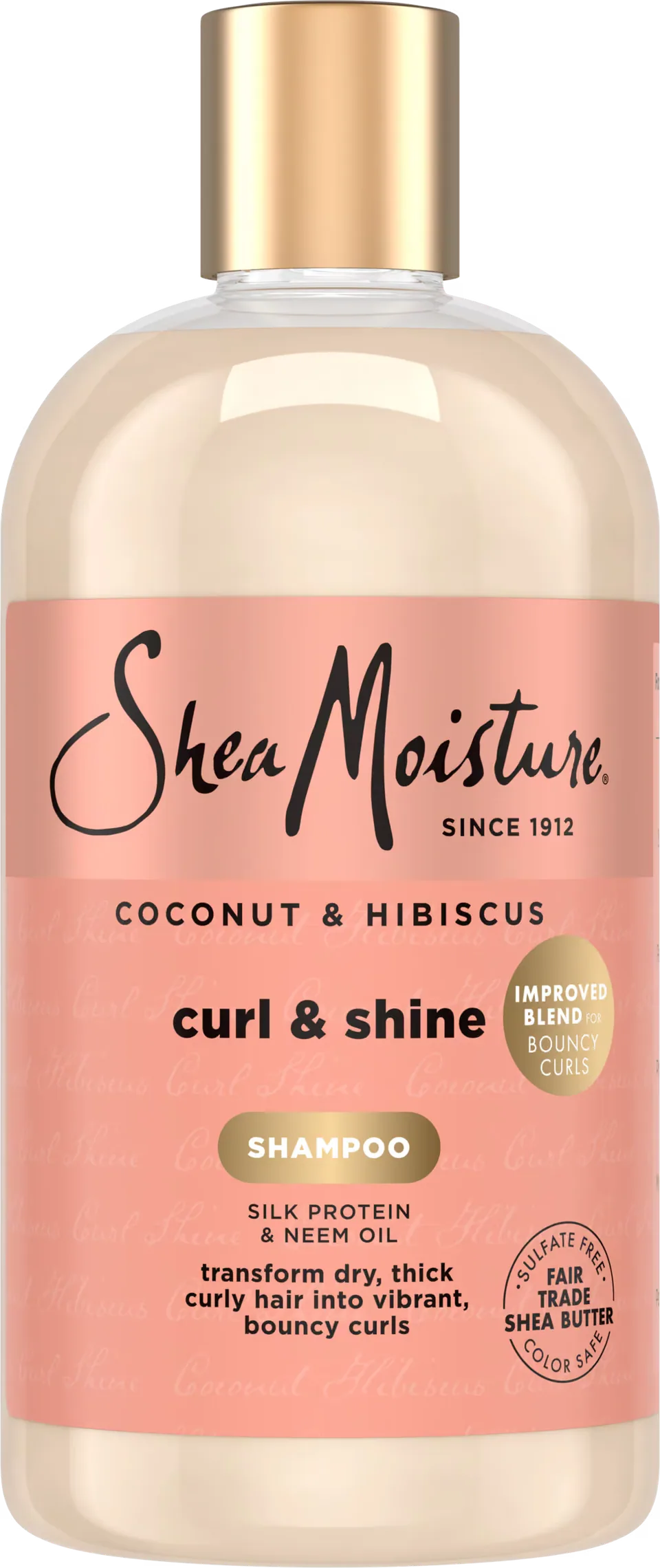
SheaMoisture
An inexpensive sulfate-free shampoo for waves and curls with shea butter and coconut oil, though results vary with hair type.
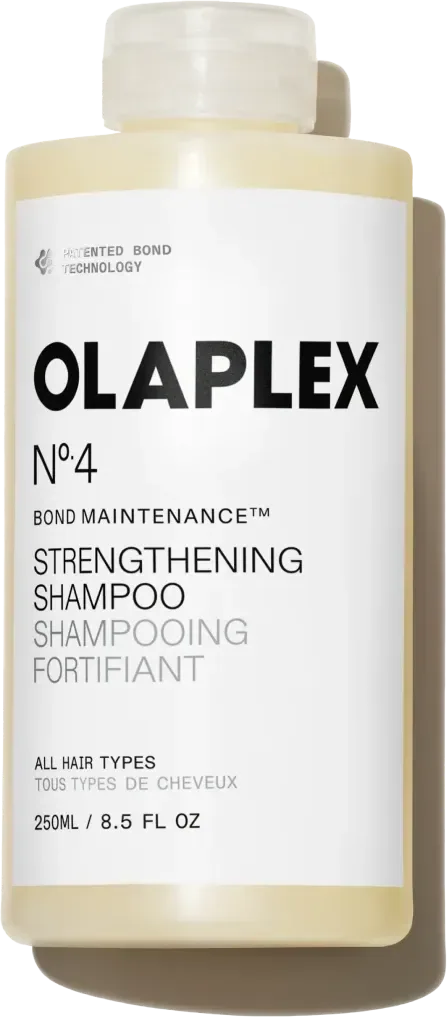
Olaplex
A gentle, bond-building daily shampoo that suits damaged and color-treated hair, priced well above most rivals.
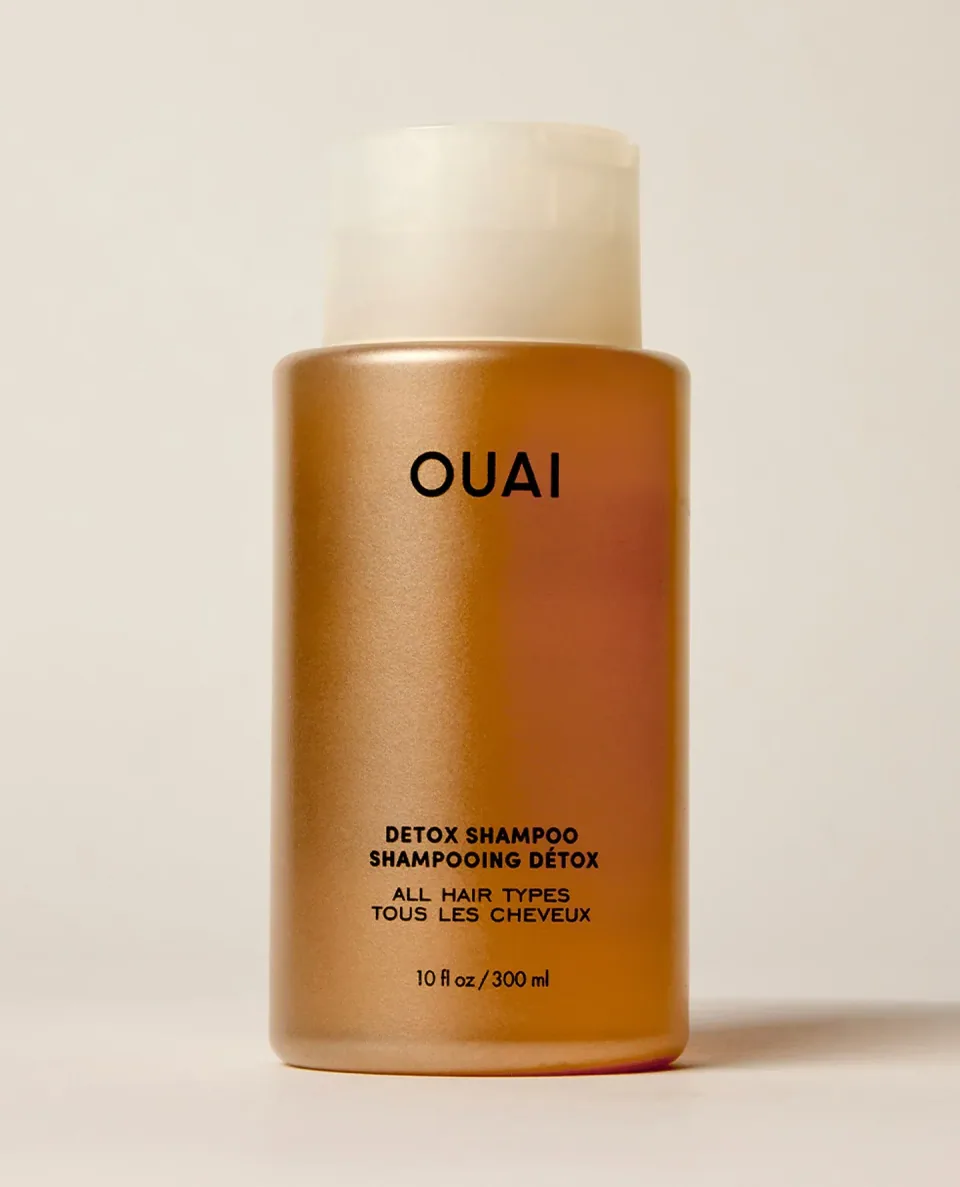
OUAI
A heavily fragranced weekly clarifier with apple cider vinegar that strips buildup well but costs more than most rivals.
Buying guide
Fine hair usually prefers lightweight, volumizing formulas; thick, curly and coily hair needs richer conditioners and gentler cleansers. An oily scalp with dry ends can use a clarifying or balancing shampoo on the scalp and a rich conditioner on the lengths.
Sulfates such as sodium lauryl sulfate clean efficiently but can feel stripping on dry, curly or color-treated hair. Sulfate-free shampoos use milder surfactants. They are not automatically better; oily scalps and heavy product users may prefer a sulfate shampoo or a weekly clarifying wash.
The AAD recommends applying shampoo to the scalp rather than the full length to avoid drying hair, and using conditioner after every wash. Detangle gently with a wide-tooth comb; for thick, curly hair, the AAD suggests combing in the shower with conditioner still in.
Look for zinc pyrithione, selenium sulfide, ketoconazole, salicylic acid, sulfur or coal tar, and leave the lather on for the time the label states. Coal tar can make the scalp more sensitive to sunlight. If flaking persists, see a dermatologist, since psoriasis and other conditions can look similar.
Color fades with frequent washing, hot water and UV. Color-safe shampoos are usually milder, and washing less often with cooler water helps. Clarifying and anti-dandruff shampoos can strip color faster.
Video reviews
FAQ
It depends on your scalp and hair type. The AAD says people with straight hair and an oily scalp may want to shampoo daily, while those with dry, textured, curly or thick hair can shampoo as needed, at least once every two to three weeks. Wash when your scalp feels oily, itchy or has product buildup.
Co-washing means cleansing with a conditioner-like product instead of shampoo. It suits dry, curly and coily hair that loses moisture easily. Most co-washers still need an occasional clarifying shampoo to remove buildup from oils, butters and styling products.
Yes, for most people. Conditioner smooths the cuticle, reduces friction and makes detangling easier, which reduces breakage. The AAD recommends conditioner after every wash; fine hair may only need it on the ends.
Ordinary shampoo does not cause hair loss, and hairs shed in the shower were already ready to fall. The AAD notes that shedding up to 50 to 100 hairs a day is normal. Rough handling and some styling habits can break hair. If you notice sudden or patchy loss, see a board-certified dermatologist.
Community
No discussions yet.
Tried shampoo & conditioner? Ask a question or share how it’s working for your skin or hair — you’ll be the first.