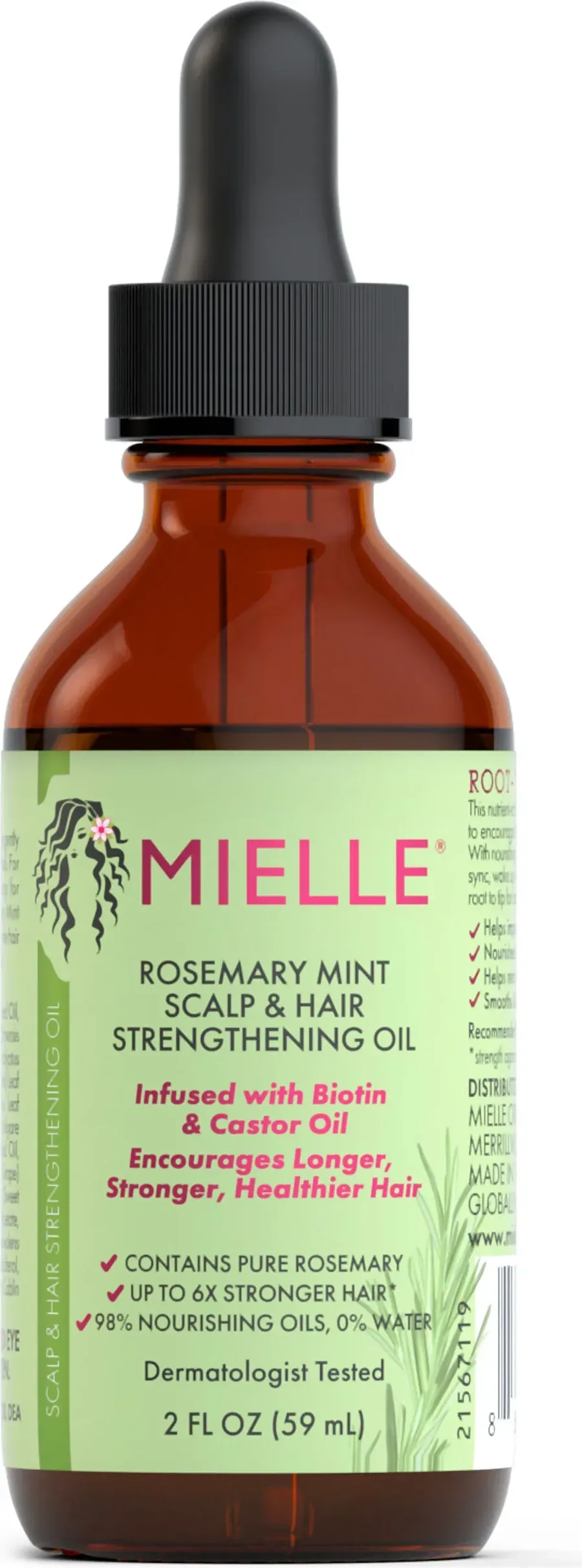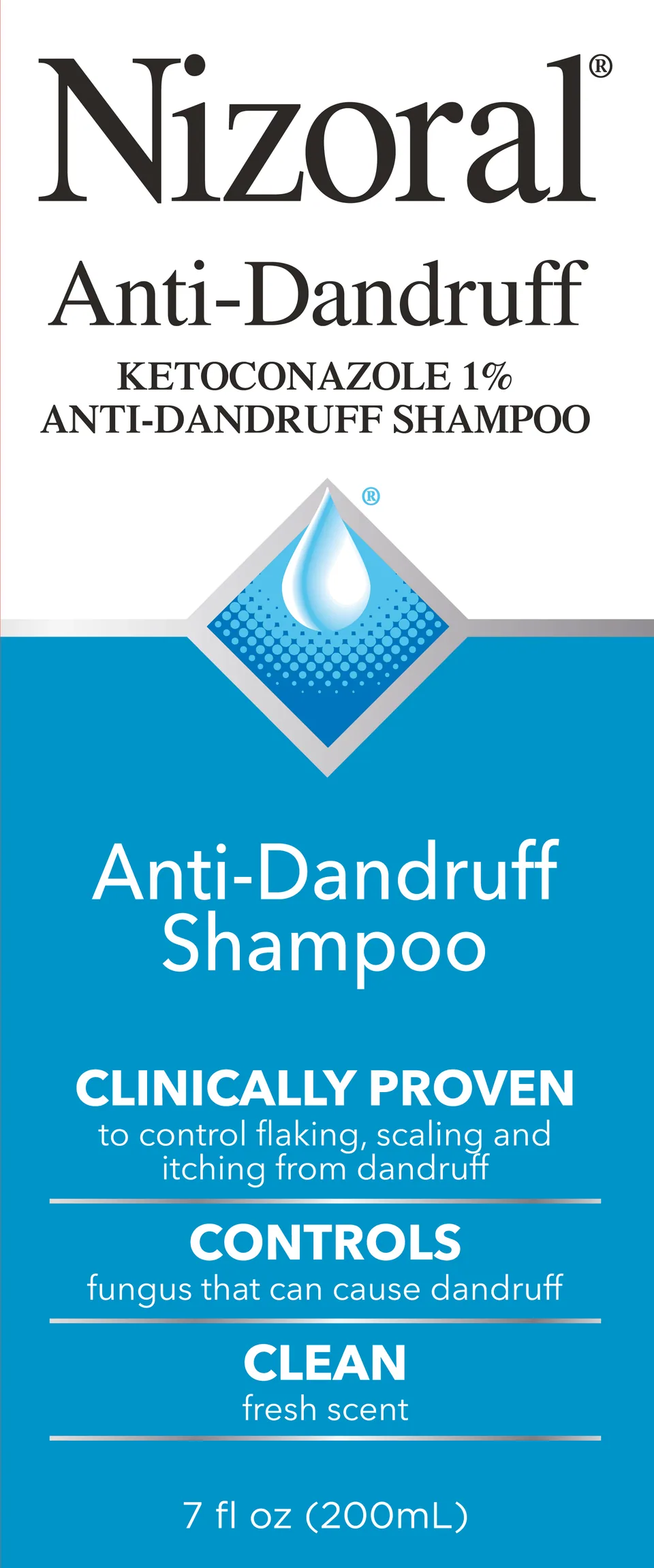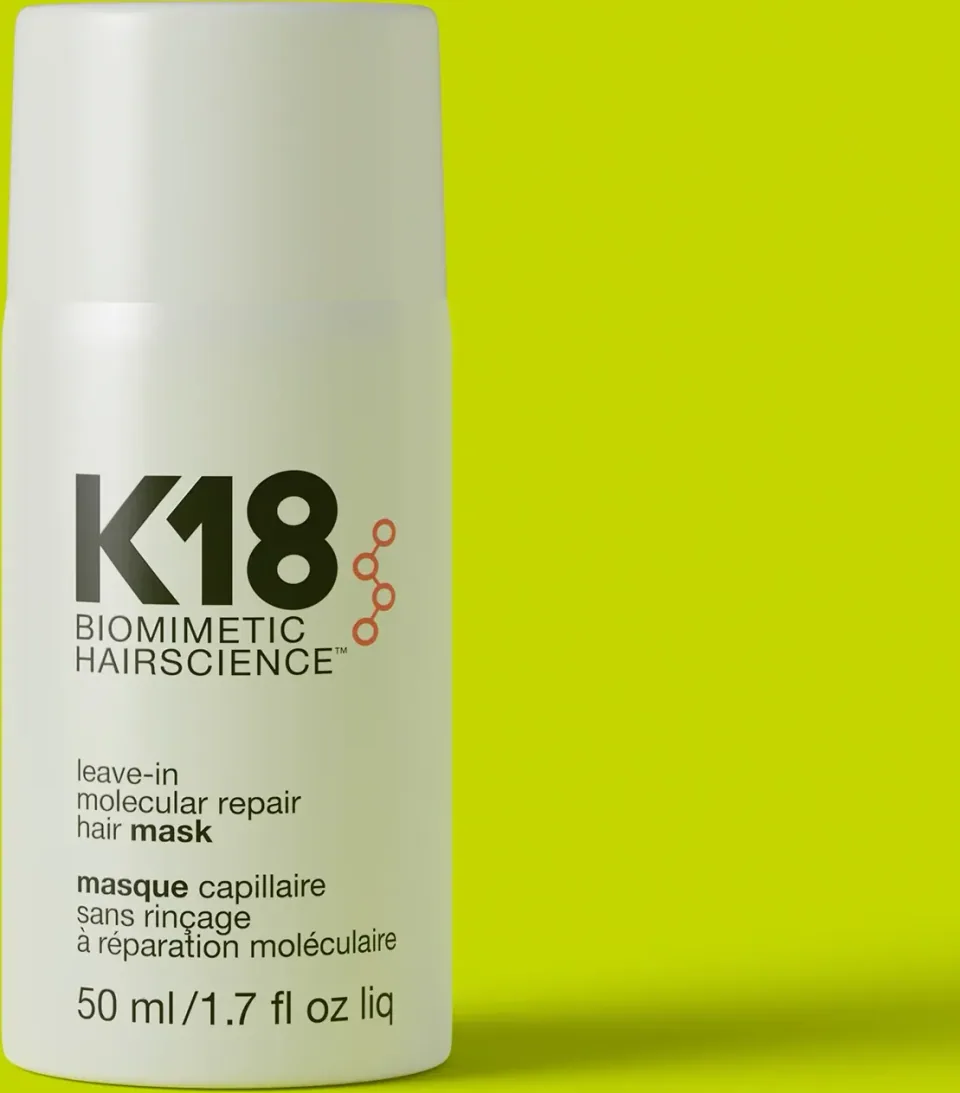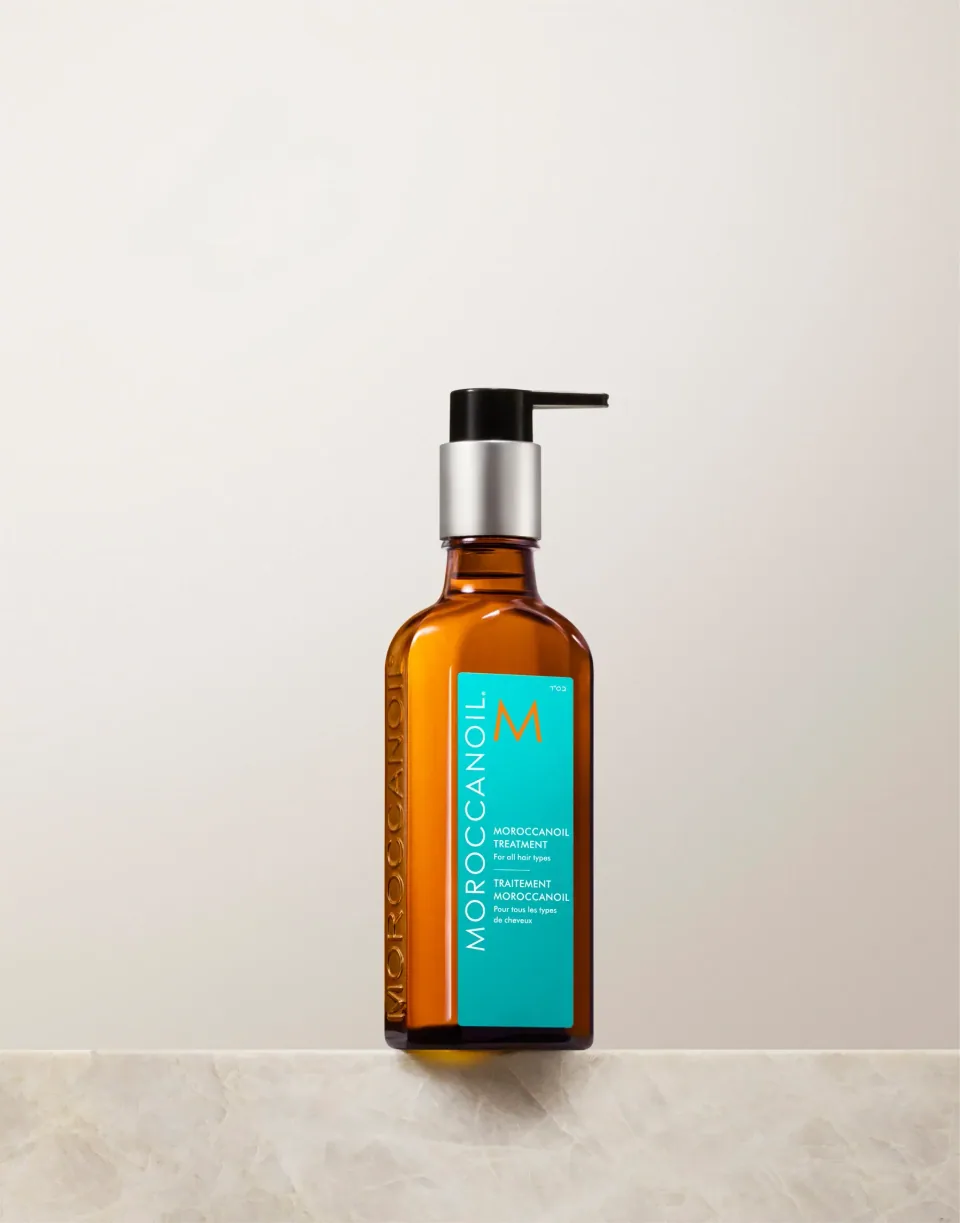
Few beauty trends have spread as fast as rosemary oil for hair. Videos of scalp massages and "month three" progress shots have pushed rosemary into shampoos, serums, sprays and DIY oil blends. The pitch is simple: a natural oil that works as well as a hair-loss drug.
The evidence is more modest. Here's what the research actually shows, what it doesn't, and when hair loss calls for a doctor rather than a dropper.
The study behind the hype
Most rosemary claims lead back to a single trial published in 2015 in the journal Skinmed [1]:
| Detail | What the study did |
|---|---|
| Participants | 100 people with androgenetic alopecia (pattern hair loss); a 2024 review describes them as men aged 18 to 49 [2] |
| Groups | Rosemary oil (50) vs. 2% minoxidil (50) [1] |
| Duration | 6 months, with checks at 3 and 6 months [1] |
| Blinding | Single-blind, according to the 2024 review [2] |
| Main measure | Hair count from standardized microphotographs [1] |
Results: Neither group showed a significant change in hair count at three months. At six months, both groups had a significant increase compared with baseline, and there was no significant difference between them [1]. Scalp itching increased in both groups but was more frequent with minoxidil. Dry hair, greasy hair and dandruff didn't change significantly [1].
That's a genuinely interesting result. It's also the kind of result that needs repeating before anyone treats it as settled.
Why one trial isn't enough
Read closely, the 2015 study has real limits:
- No placebo group. Both groups got an active treatment. Without a group using a plain oil or inactive product, it's hard to separate the effect of rosemary from scalp massage, regular attention to the scalp or natural variation.
- Comparison with the lower-strength drug. The study compared rosemary with 2% minoxidil. Topical minoxidil is also sold over the counter at a higher 5% strength for men, so "as good as minoxidil" really means "similar to the lower strength in this one trial."
- Only men. The results may not apply to women, whose pattern hair loss is less clearly driven by androgens [2].
- Single-blind. Participants could tell which treatment they were using, since an oil and a minoxidil solution look and feel different [2].
- Modest size and no independent replication. A 2024 review of natural alternatives for pattern hair loss concluded that additional research is needed to establish how well such remedies work [2].
- Details matter. "Rosemary oil" in a trial isn't the same as every product with rosemary on the label. Concentration, preparation and how often it's applied all vary.
None of that means rosemary doesn't work. It means the honest answer is "possibly, for some people, based on limited evidence."
Watch out: Pattern hair loss is progressive. If you choose to try rosemary instead of an approved treatment, you're making a trade-off: months spent on a less-proven option are months of potential loss. A dermatologist can help you weigh that.
What lab and other studies suggest
There's some biological plausibility.
- Mouse and lab work. A 2013 study found that rosemary leaf extract applied to mice improved hair regrowth that had been suppressed with testosterone, and that the extract inhibited 5-alpha-reductase in the lab, the enzyme that converts testosterone to the more potent dihydrotestosterone (DHT) [3]. Results in mice and test tubes often don't translate to people.
- Anti-inflammatory and antioxidant activity. Reviews describe compounds in rosemary, such as carnosic and rosmarinic acid, with anti-inflammatory and antioxidant effects [2]. Whether these matter for human hair growth at cosmetic doses is unknown.
- Alopecia areata. A 1998 randomized, double-blind trial of 86 people with alopecia areata, an autoimmune form of hair loss, found that 44% of those who massaged a blend of thyme, rosemary, lavender and cedarwood essential oils in carrier oils into their scalp daily improved, compared with 15% of those using carrier oils alone [4]. That's notable, but it tested a blend, not rosemary alone, and alopecia areata behaves very differently from pattern hair loss.
How rosemary compares with approved options
| Option | Status | Evidence | Notes |
|---|---|---|---|
| Topical minoxidil | FDA-approved for pattern hair loss [2] | Strong | Needs at least 4 months, possibly up to a year, to show effect; most new hair is lost within months of stopping [6] |
| Finasteride (oral, men) | FDA-approved for pattern hair loss [2] | Strong | Prescription; a small subset of men report sexual side effects [2] |
| Rosemary oil | Cosmetic or folk remedy | One small trial plus lab and animal data [1][2][3] | Generally well tolerated if diluted, but allergy is possible [7] |
Only minoxidil and finasteride are FDA-approved for pattern hair loss [2]. MedlinePlus notes that minoxidil doesn't cure baldness and that most new hair is lost within a few months of stopping [6]. Whatever you use, consistency is the whole game.
Using rosemary oil sensibly
If you want to try it, these steps lower the risk and make it easier to judge results.
- Choose a ready-made product or dilute properly. Concentrated essential oils can irritate and sensitize skin. A review of essential oil contact allergy found that nearly 80 essential oils have caused allergic reactions and that most reactions came from applying pure oils or high-concentration products [7].
- Patch test first. The AAD recommends applying a new product to a small area twice daily for seven to ten days; for wash-off products such as shampoos, leave them on for five minutes or as long as the directions say [8].
- Be consistent and patient. The 2015 trial didn't see changes at three months [1]. Give anything at least six months before deciding.
- Take photos. Same lighting, same angle, same hair part, once a month. Memory is unreliable when you're watching your hairline.
- Stop if your scalp reacts. Itching, burning, redness or new flaking are signs to stop and, if they persist, see a dermatologist.
- Mind the rest of the routine. Heavy oils left on the scalp can weigh down fine hair and may not suit oily or flaky scalps. Shampoo them out as directed.
Tip: Keep essential oils away from your eyes, and store them out of reach of children and pets. Rinse your hands after scalp massage.
Shedding or hair loss? Know the difference
Before choosing any product, it helps to know what's happening.
The AAD notes that it's normal to shed 50 to 100 hairs a day [5]. Shedding significantly more is called telogen effluvium and is common a few months after a major stressor: losing 20 pounds or more, giving birth, a high fever, surgery, illness, stopping birth-control pills or intense stress [5]. After childbirth, for example, shedding often peaks about four months after delivery, and hair tends to regain its normal fullness within six to nine months [5]. That kind of shedding usually stops on its own.
Hair loss is different: something stops the hair from growing. Common causes include hereditary hair loss, an overactive immune system, certain drugs and treatments, hairstyles that pull on the hair, harsh hair-care products and compulsive hair pulling [5].
Bottom line: Rosemary oil is a reasonable thing to try for mild thinning if you understand that the evidence is one small trial and you patch test first. It's not a proven substitute for minoxidil or finasteride. If your hair loss is sudden, patchy, progressive or comes with scalp symptoms, see a board-certified dermatologist. The AAD notes that many types of hair loss can be treated and the sooner treatment begins, the better the outlook [5].
When to see a dermatologist
Make an appointment if you notice:
- A widening part, receding hairline or thinning crown that keeps progressing
- Round or patchy bald spots
- Shedding that lasts longer than about six months, or keeps coming back
- Scalp pain, burning, scaling or redness along with hair loss
- Hair loss after starting a new medication. Don't stop a prescribed medication without talking to your doctor first [5]
A dermatologist can tell the difference between shedding and loss, look for underlying causes and discuss treatments with stronger evidence [5]. You can still use a gentle scalp routine alongside that care; browse hair treatments and oils and shampoo and conditioner, and see how we score for how we judge hair-growth claims.
Ingredients in this story
Good questions.
Does rosemary oil work as well as minoxidil?
One 2015 trial in 100 men found similar increases in hair count after six months with rosemary oil and 2% minoxidil, with less scalp itching in the rosemary group. But the study had no placebo arm, wasn't fully blinded, used the lower minoxidil strength and hasn't been confirmed by larger independent trials. Minoxidil remains one of only two FDA-approved medications for pattern hair loss.
How long does rosemary oil take to work?
In the 2015 trial, neither group showed a significant change in hair count at three months; increases appeared at six months. That matches how hair grows: any product that affects growth needs months of consistent use before results are visible. Minoxidil's own guidance says it takes at least four months and possibly up to a year.
Can I put pure rosemary essential oil on my scalp?
It isn't a good idea. Undiluted essential oils are a common cause of allergic and irritant reactions; a review of essential oil allergy found most reactions were caused by pure oils or high-concentration products. Use a scalp product that's already formulated with rosemary, or dilute the essential oil in a carrier oil following a reputable recipe, and patch test first.
Is rosemary oil safe during pregnancy?
There isn't good safety data on concentrated rosemary essential oil applied to the scalp during pregnancy. Ask your obstetrician or dermatologist before using it. Hair shedding after giving birth is also common and usually temporary, peaking about four months after delivery and settling within six to nine months, according to the American Academy of Dermatology.
References
The research behind this guide — open any source to read the original.
- [1]Rosemary oil vs minoxidil 2% for the treatment of androgenetic alopecia: a randomized comparative trial — Skinmed (2015), via PubMed
- [2]An Overview of Commonly Used Natural Alternatives for the Treatment of Androgenetic Alopecia, with Special Emphasis on Rosemary Oil — Clinical, Cosmetic and Investigational Dermatology (2024), via PubMed Central
- [3]Promotion of hair growth by Rosmarinus officinalis leaf extract — Phytotherapy Research (2013), via PubMed
- [4]Randomized trial of aromatherapy. Successful treatment for alopecia areata — Archives of Dermatology (1998), via PubMed
- [5]Do you have hair loss or hair shedding? — American Academy of Dermatology
- [6]Minoxidil Topical — MedlinePlus, U.S. National Library of Medicine
- [7]Essential Oils, Part IV: Contact Allergy — Dermatitis (2016), via PubMed
- [8]How to test skin care products — American Academy of Dermatology
Educational content, not medical advice. Patch-test anything new, and see a dermatologist for persistent skin or scalp concerns. Our editorial standards
Discussion
What do you think?
No discussions yet.
Tried this article? Ask a question or share how it’s working for your skin or hair — you’ll be the first.