Head to head
Atobarrier 365 Cream vs Moisturizing Cream
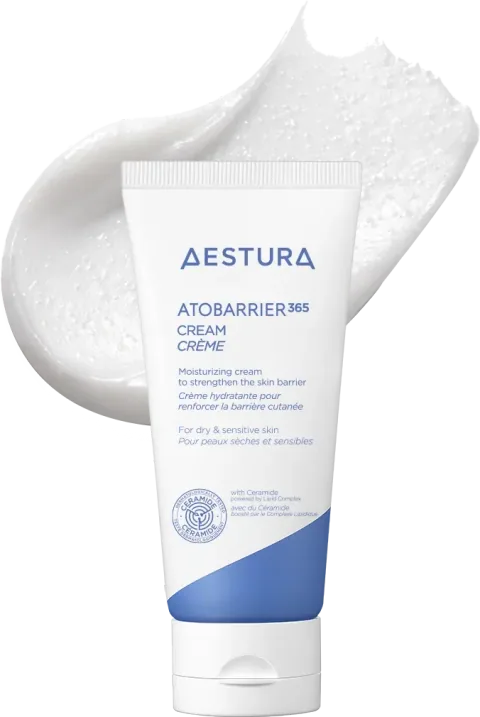
CeraVe Moisturizing Cream edges out Aestura Atobarrier 365 Cream, 8.8 to 8.4. It wins on results, texture and feel and value.
Benefit fingerprints
What each one does.
Aestura Atobarrier 365 Cream
CeraVe Moisturizing Cream
Side by side
Every detail, compared.
We may earn a commission when you buy through links on this page. It never affects our scores or what we recommend. How we make money
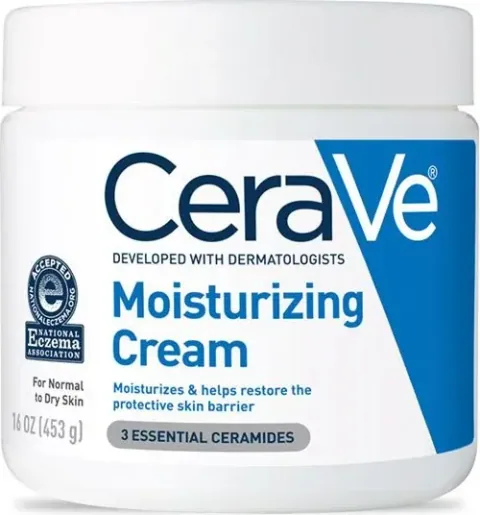
CeraVe
Moisturizing Cream
Highest score- Barrier repair
- Long-lasting moisture
- Dryness relief
- Flaking relief
- Barrier repair
- Dryness relief
- Long-lasting moisture
- Soothing
- • Dry, sensitive or eczema-prone skin
- • Barrier support during retinoid or acid use
- • Night-time recovery cream
- • Dry, sensitive or eczema-prone skin
- • Budget face-and-body barrier care
- • Families sharing one moisturizer
- Ceramide-dense formula with cholesterol, fatty acids and squalane
- Fragrance-free, non-comedogenic and NEA Seal of Acceptance
- Frequently recommended for retinoid irritation and compromised barriers
- Three ceramides plus cholesterol, hyaluronic acid and petrolatum
- Fragrance-free, non-comedogenic and NEA Seal of Acceptance
- Works on face and body, suitable from age 3 per the brand
- Texture can feel waxy to some users
- Costs more than similar Korean ceramide creams such as Illiyoon
- CeraVe recommends its lighter Daily Moisturizing Lotion for oily skin
- Tub packaging means dipping fingers in unless using the pump version
Affiliate links — we may earn a commission. How we make money
Affiliate links — we may earn a commission. How we make money
FAQ
Quick answers.
Which is better, Atobarrier 365 Cream or Moisturizing Cream?
CeraVe Moisturizing Cream edges out Aestura Atobarrier 365 Cream, 8.8 to 8.4. It wins on results, texture and feel and value.
Which costs less?
Aestura Atobarrier 365 Cream typically sells for about $32.00 and CeraVe Moisturizing Cream for about $19.99, based on retail prices when we last checked.
How do you score them?
Both are scored on the same five-factor rubric (results, formula & ingredients, texture & experience, value, community love), using the formula or specs, verified creator reviews, community consensus and value. Brands can’t pay for placement.