Best overall Trending
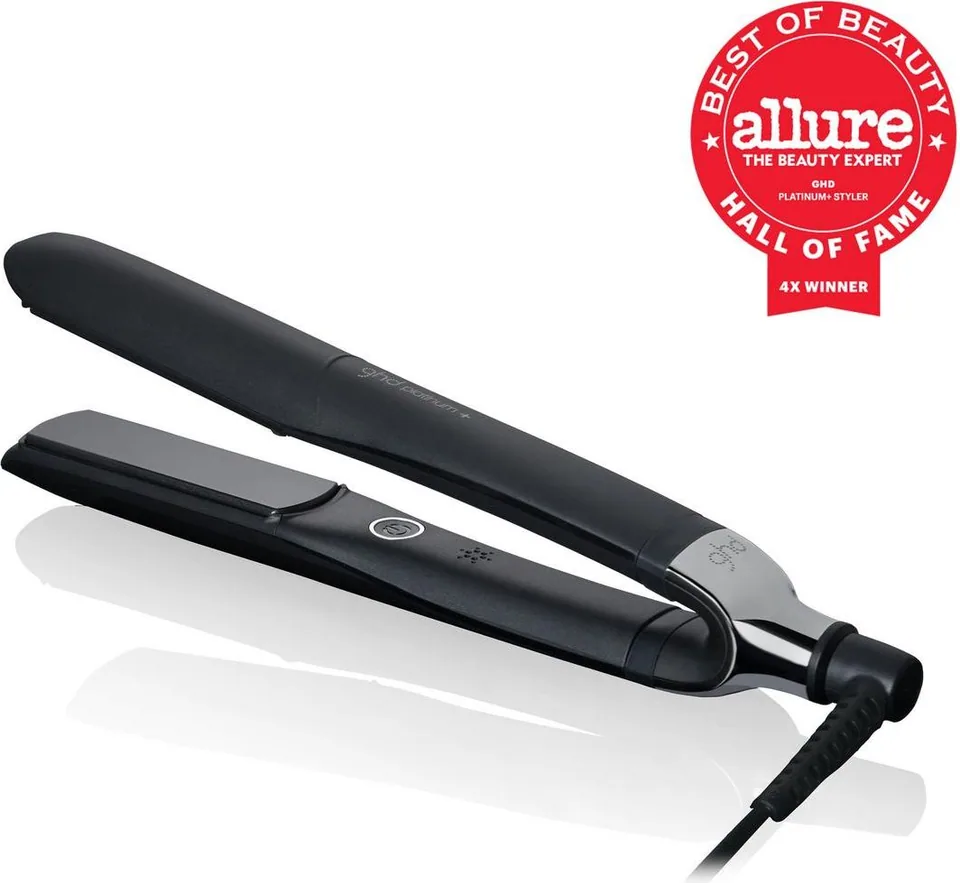
ghd
Platinum+ Hair Straightener
8.3Great
ghd's smart 1-inch flat iron holds a fixed 365°F with predictive sensors for sleek one-pass styling; superb results, no temperature control.
Device5$319
Hair dryers, multi-stylers, straighteners, curling irons and hot brushes, scored on performance, build and value.
Top rated
Hot tools range from basic blow-dryers and flat irons to high-speed dryers, airflow multi-stylers and heated brushes that promise faster styling with less damage. Prices run from under $30 to over $600, and the gap between a good and an overpriced tool is often in airflow, temperature control and how long it lasts.
Heat is the main thing to manage. The American Academy of Dermatology advises using flat irons only on dry hair, on a low or medium setting and no more often than every other day, and holding a curling iron in place for only a second or two. An AAD briefing cited research that 347–419°F (175–215°C) for as little as five minutes can damage most hair, and recommended staying at or below 347°F (175°C), lower for fine or treated hair. For blow-drying, a 2011 lab study found that keeping a dryer about 15 cm (6 inches) away and moving caused less damage than holding it close. Adjustable temperature, accurate heat and enough airflow to dry quickly at lower heat matter more than marketing terms such as ionic, titanium or ceramic.
Our Tool score weights performance 30%, build and reliability 20%, ease of use 15%, value 20% and community love 15%. For hot tools, performance reflects drying speed, smoothness and style hold as reported by hands-on reviewers; build covers temperature accuracy, safety cut-offs, cord quality, warranty and long-term reliability reports; and ease of use weighs weight, noise, attachments and learning curve.
All hot tools
5 products
ghd
ghd's smart 1-inch flat iron holds a fixed 365°F with predictive sensors for sleek one-pass styling; superb results, no temperature control.
Dyson
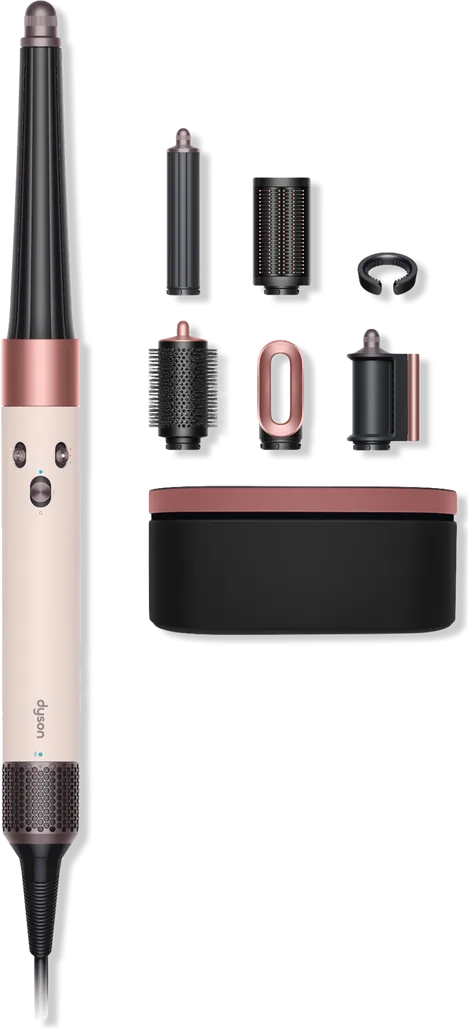
Dyson's Bluetooth-connected Airwrap automates the wrap, curl and cool-shot timing; the most effortless air curler, at a steep price.
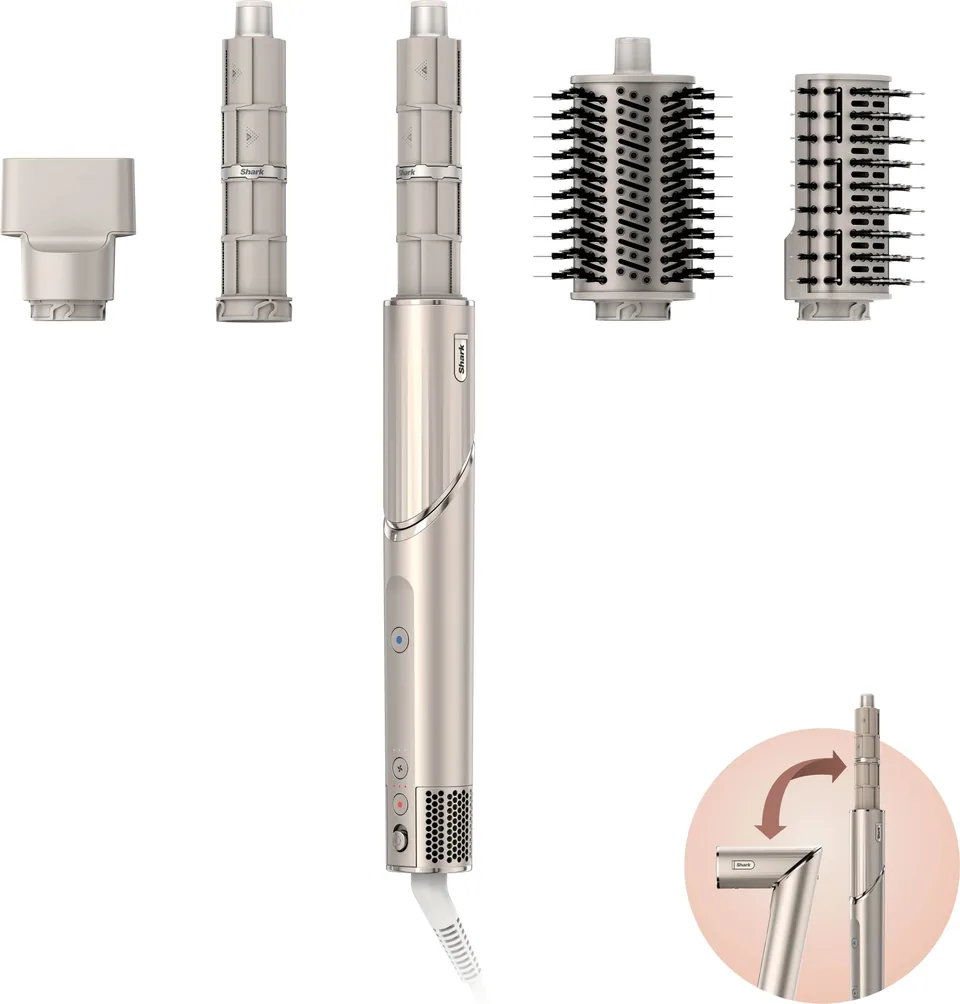
Shark
A twist-to-convert dryer and Coanda multi-styler that does most of what an Airwrap does for about half the price; curls fade sooner.
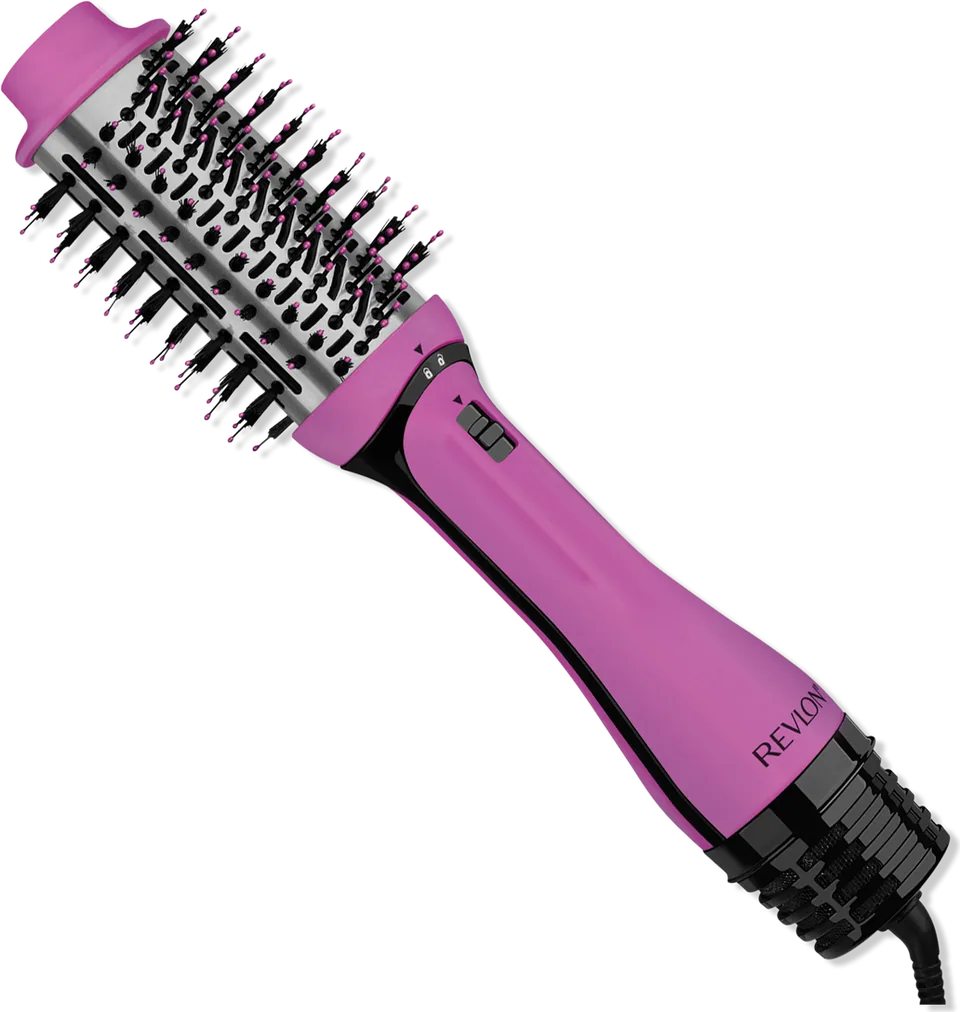
Revlon
The updated cult drugstore dryer brush: a smaller 2.4-inch oval head, four heat settings and a detachable handle for big, quick blowouts.
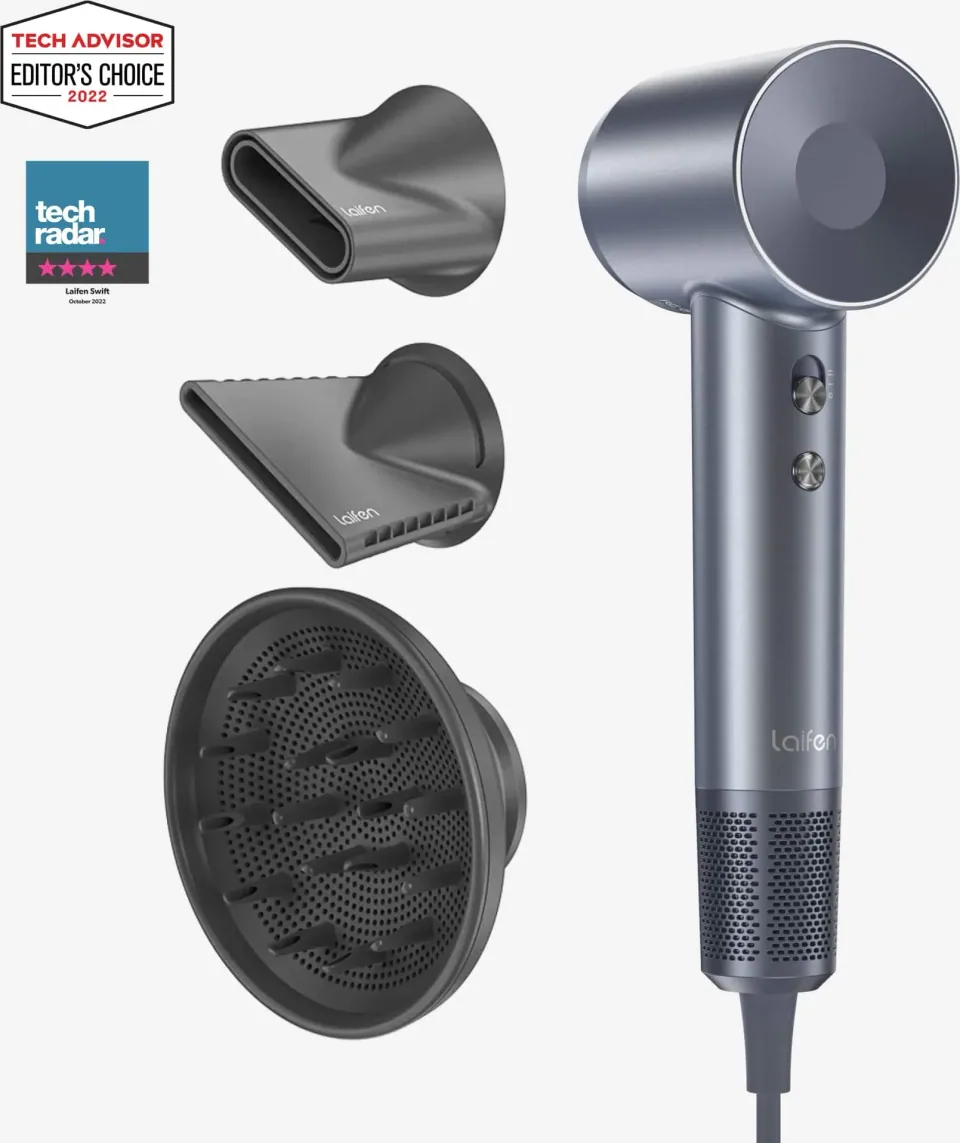
Laifen
A light, quiet 110,000 rpm high-speed dryer with three magnetic nozzles, widely tested as a far cheaper Dyson Supersonic alternative.
Buying guide
Look for multiple heat settings with displayed temperatures and auto shut-off. Fine, bleached or chemically treated hair should start around the lowest effective setting; the AAD has suggested no higher than 347°F (175°C) for flat irons. A tool that only runs at 450°F is a poor choice for most hair.
A dryer with strong airflow dries hair quickly at moderate heat, which is gentler than high heat at low airflow. Use a concentrator nozzle to direct air down the shaft, keep the dryer moving, and hold it about six inches from your hair.
These describe plate materials or ion generators that may reduce static and help even heating. They do not make high temperatures safe. The temperature setting and number of passes matter far more.
Heavy dryers tire arms on thick, long hair; swivel cords and lighter bodies help. If you travel, check whether a tool is dual-voltage, since using a single-voltage tool with a simple plug adapter can damage it or overheat.
Hot tools fail more often than most beauty products. A two-year or longer warranty, replaceable filters and accessible customer service are worth paying for. Our build factor weighs long-term owner reports from creators and forums.
Video reviews
FAQ
The AAD has advised a low or medium setting, no higher than 347°F (175°C), and lower for fine, damaged or chemically treated hair. Use the iron only on fully dry hair, no more than every other day, and make a single slow pass rather than several fast ones.
They dry hair faster with strong airflow at controlled temperatures, which can reduce heat exposure and save time, especially for thick or long hair. Whether that justifies a premium price depends on how often you blow-dry. Compare drying time, weight and noise in hands-on reviews rather than motor speed claims.
Not always. A 2011 lab study found that a dryer held 15 cm away and kept moving caused less overall damage than air-drying, which left hair wet and swollen for longer, while a dryer held very close caused the most surface damage. Partially air-drying and then finishing at a distance with moderate heat is a sensible middle ground.
Yes, whenever you use a blow-dryer on high heat, a flat iron, a curling iron or a hot brush. Protectants reduce damage but do not eliminate it, so keep temperatures moderate too.
Community
No discussions yet.
Tried hair dryers & hot tools? Ask a question or share how it’s working for your skin or hair — you’ll be the first.