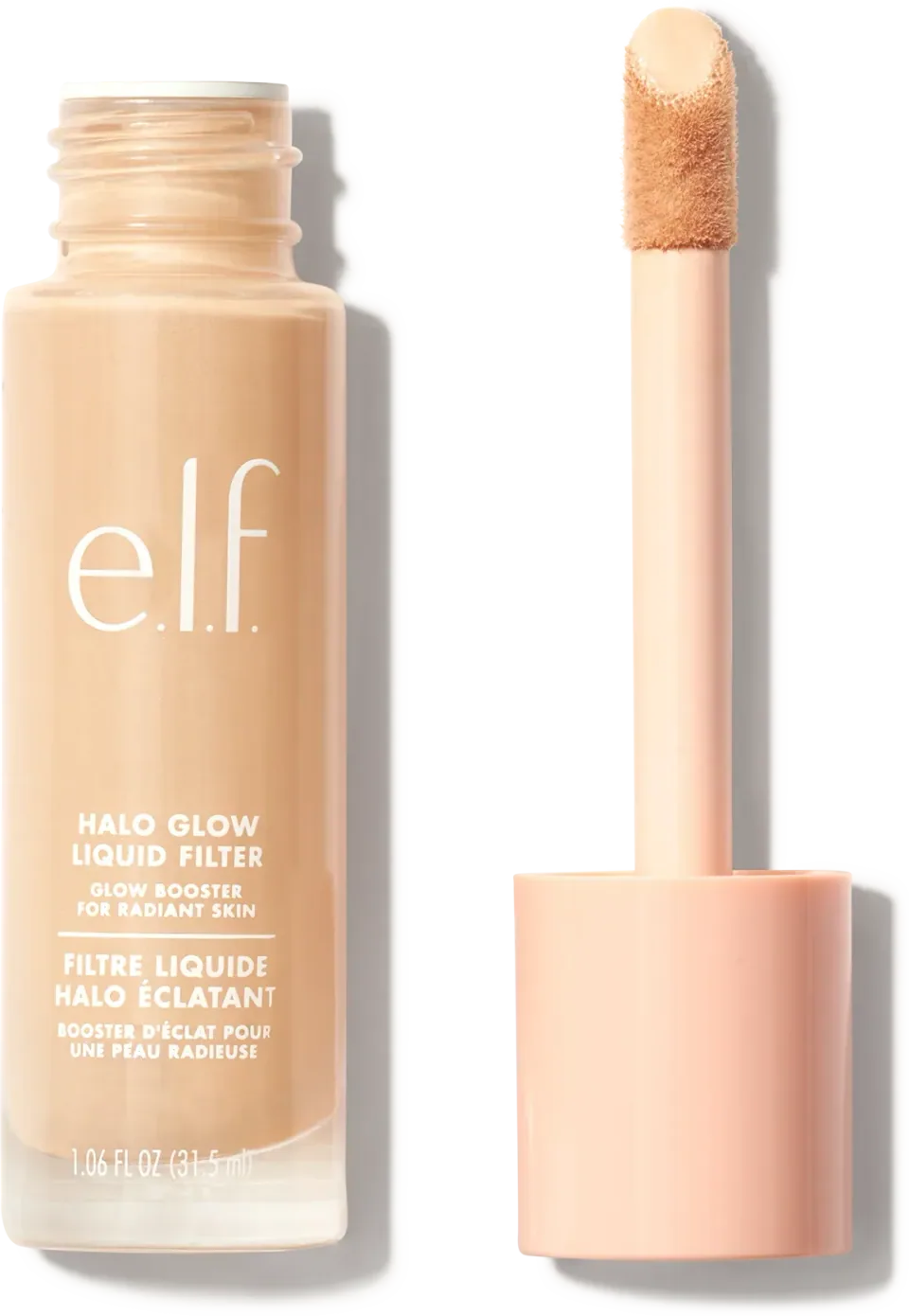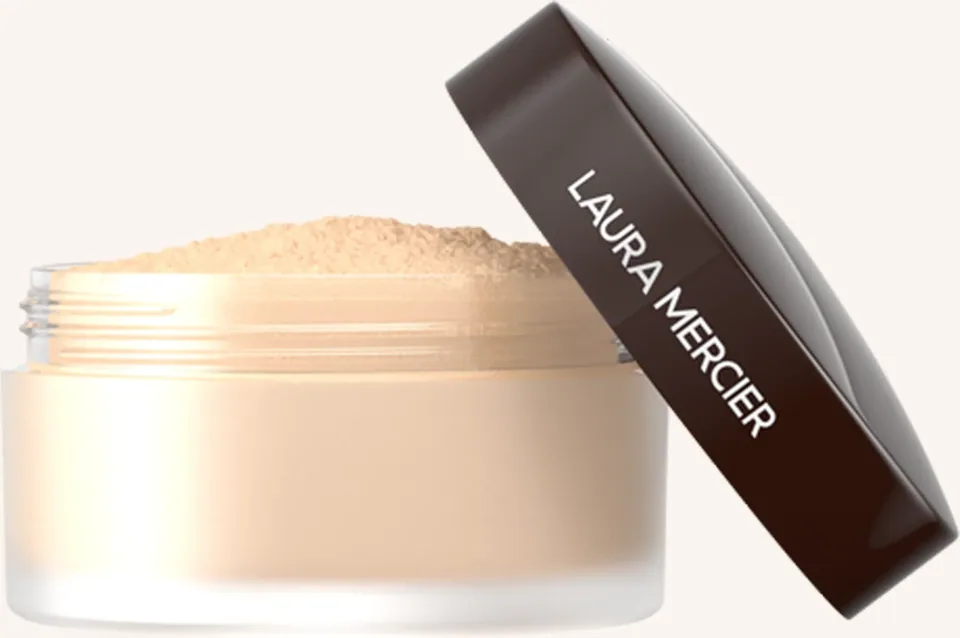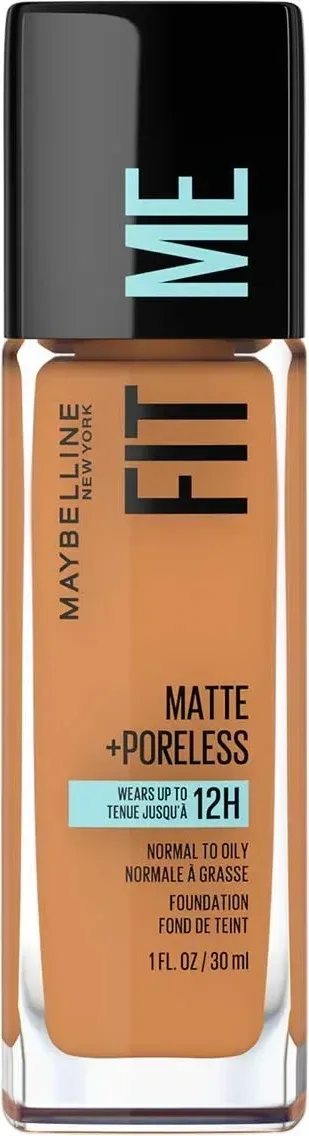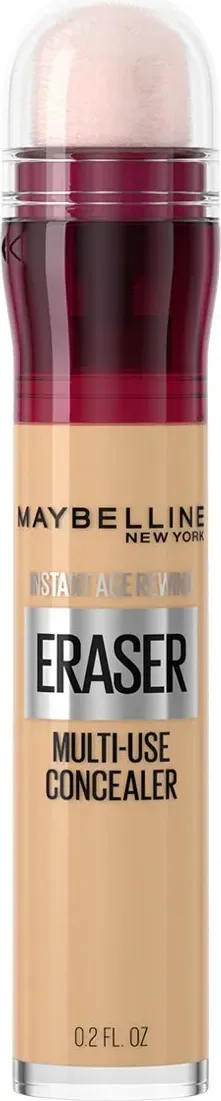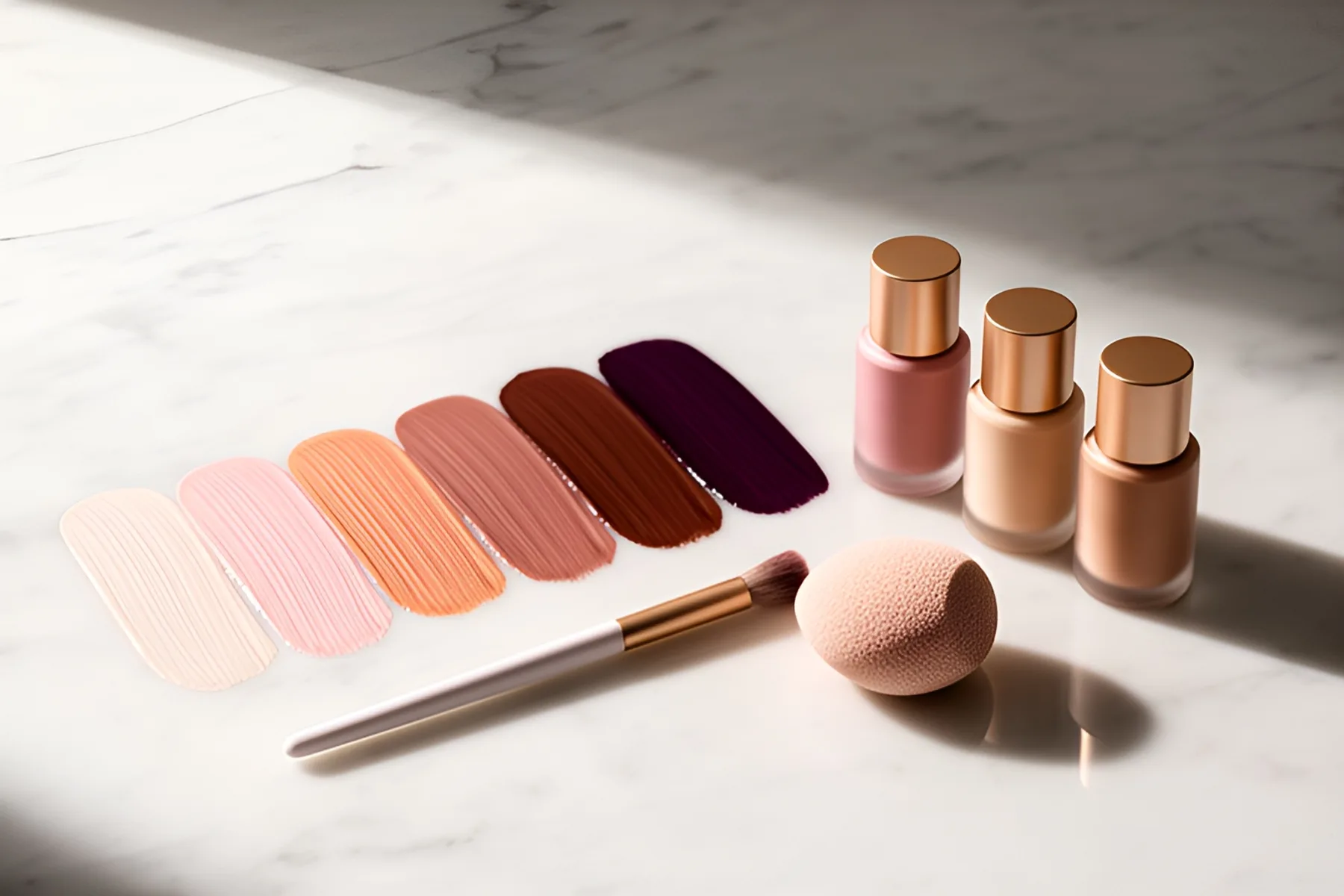
Buying foundation in a store used to mean squinting at a swatch under fluorescent lights. Buying it online can be worse: product photos are color-corrected, screens differ, and "Medium Warm" means something different at every brand. Yet more and more complexion shopping happens online, including through creator videos and TikTok Shop.
You can get a good match without trying a product in person. It takes a method, not luck.
Why shade matching is hard
Human skin color varies continuously, not in neat steps. Researchers who measured skin color in 3,500 women across different regions used a colorimetric measure called the individual typology angle to classify it, and found it tracked closely with constitutive pigmentation [1]. That's a scientific way of saying there are far more real-world skin tones than any shade range can cover.
Even tools built to describe skin tone simplify. Google's Monk Skin Tone Scale, developed with Harvard sociologist Ellis Monk, uses 10 shades and was designed to represent a broader range than the six-category system long used in tech. Google reported that U.S. participants, especially those with darker skin, found it more representative [2]. Many foundation lines now go much further, with 40 or more shades, but the principle is the same: every shade is an approximation, so you're looking for the closest fit in both lightness and undertone.
Foundation color itself is built mainly from pigments such as iron oxides, which the FDA permits for cosmetics generally, including the eye area, along with titanium dioxide for lightness and opacity [4]. Small differences in the blend of red, yellow and black iron oxides are what separate one brand's "warm" from another's.
Step 1: Know your depth and undertone
Depth is how light or deep your skin is. Most brands number shades from lightest to deepest, but the numbers aren't comparable between brands.
Undertone is the hue under the surface. Fenty Beauty's shade finder, for example, describes the options this way [3]:
| Undertone | How brands often describe it | What a mismatch looks like |
|---|---|---|
| Cool | Pink or rosy | Too warm: orange or yellow cast |
| Warm | Golden, olive, peach or yellow | Too cool: pink, gray or ashy cast |
| Neutral | A balance of cool and warm | Slightly off either way |
| Olive (often grouped under warm or neutral) | Green or gray hint | Most standard shades look too pink or too orange |
A quick check: in daylight, hold something pure white next to bare skin. Rosy points to cool, golden or peach points to warm, and if you can't tell, neutral is a safe starting point.
Tip: Depth and undertone can shift with the seasons. If you tan in summer, keep two shades, or a lighter foundation plus a deeper drop to mix.
Step 2: Anchor to a shade you already know
The single most reliable shortcut is a product you already match. Use it to cross-reference:
- Many brand sites and retailers offer "shade match" tools that ask which shade you wear in another brand.
- Creator videos often list shade equivalents across popular lines.
- Community threads, such as makeup forums and subreddits, are full of people comparing the same shades.
Cross-referencing is still imperfect, because the same name can hide different undertones, but it gets you into the right two or three shades.
Step 3: Use shade finders the right way
Selfie-based shade finders analyze a photo of your face and suggest a match. Fenty Beauty's mobile tool, for instance, asks you to face your front camera in a well-lit area, pull your hair up, keep a neutral expression, remove makeup and glasses, and keep your face inside the outline [3]. Following those instructions closely matters more than which brand's tool you use.
Things that throw them off:
- Warm indoor bulbs, which push results warmer
- Window light from one side, which makes half your face darker
- Beauty filters or phone portrait modes, which smooth and recolor skin
- Makeup, self-tanner or a recent sunburn
Note that these tools may scan your face and process biometric data; Fenty's tool asks for consent before it starts [3]. Read the privacy notice if that concerns you.
Step 4: Confirm with real swatches
Once you have a shortlist, look for swatches and wear tests from people with a similar depth and undertone.
- Search by shade name plus "swatch" or "wear test."
- Prefer daylight footage. Ring lights and studio lights flatten undertones.
- Watch the full application, not just the finished look.
- Look for the jawline. If the creator blends down the neck and the line disappears, that's a good sign.
Our complexion reviews include verified creator videos, and we check each one with the platform before we show it. We also score shade range and inclusivity as a separate factor, because a formula that only works for a narrow band of skin tones isn't a great foundation for most people. See how we score.
Step 5: Account for oxidation and finish
Some foundations look a touch darker or warmer once they dry down and mix with your skin's oils. This is commonly called oxidation, and it tends to be more noticeable on oily skin. A shade that's perfect in the first minute can be slightly orange by lunch.
How to plan for it:
- Look for creator wear tests that check in after a few hours.
- Read community comments for phrases like "oxidizes" or "turns orange."
- If a formula is known to darken, consider going half a shade lighter or cooler.
- Test with your usual primer and powder, since those can affect how a base wears.
Finish also changes how a shade reads. Matte formulas can look slightly deeper and flatter; dewy or radiant ones reflect more light and can look a touch lighter. Skin tints are sheer enough to be more forgiving of small mismatches, which makes them a lower-risk first purchase from a new brand.
Step 6: Test at home before you commit
When your foundation arrives:
- Swatch three stripes on your jawline, your chosen shade plus its neighbors if you ordered samples, and let them dry for 10 to 15 minutes.
- Check in daylight, near a window, and with a hand mirror for side angles.
- Wear it for a full day before deciding. Look at it in the afternoon, when oxidation and oil have had time to show.
- Patch test if you react easily. The AAD recommends applying a new product to a small area twice daily for seven to ten days before using it widely [6].
Watch out: Don't share makeup, and be wary of open testers. The FDA's safety advice includes not sharing makeup, keeping containers clean and closed, and throwing products away if their color or smell changes [5].
Step 7: Know the return policy before you buy
Shade matching online sometimes fails no matter how careful you are, so the return policy is part of the purchase.
- Check whether the retailer or brand accepts opened or used makeup, and within what window.
- Note whether returns are for refund or store credit, and who pays return shipping.
- Marketplace and social-commerce purchases can have different terms from the brand's own site.
- Look for minis, samples or sample-size tubes, which reduce the cost of a wrong guess.
Policies change, so read the current terms at checkout rather than relying on what a friend said last year.
Quick reference: fixing a near miss
| Problem | Likely cause | Fix |
|---|---|---|
| Looks orange | Too warm or oxidizing | Go cooler or lighter; mix with a lighter shade |
| Looks gray or ashy | Too cool, or too light on deep skin | Go warmer or deeper |
| Looks pink | Too cool for warm or olive skin | Choose a neutral, golden or olive shade |
| Mask-like line at jaw | Matched to cheek, not jaw and neck | Rematch on the jawline; blend down |
| Fine in the morning, dark by afternoon | Oxidation | Half a shade lighter; test a different primer |
Bottom line: Identify your depth and undertone, anchor to a shade you know, use shade finders as a shortlist, confirm with daylight swatches from people with similar skin, and check returns before you buy. A near miss can usually be rescued with mixing or a lighter concealer, but a good method will get most people to a match on the first or second try.
Good questions.
How do I know if my undertone is cool, warm or neutral?
Look at your bare skin in daylight next to something pure white. Pink, red or rosy hints usually point to cool; golden, peach or yellow hints point to warm; a mix of both suggests neutral. Olive skin often reads slightly green or gray, and many brands file it under neutral or warm. Shade finders like Fenty Beauty's ask you to pick cool (pink or rosy), warm (golden, olive, peach or yellow) or neutral, with an 'I'm not sure' option.
Why does my foundation look orange after an hour?
Usually oxidation or a mismatch in undertone. Some formulas darken or warm slightly as they dry and interact with skin oils, and oily skin tends to see this more. Too-warm undertones can also look orange in daylight. Check creator wear tests at the one- to four-hour mark, try a shade that's a half-step lighter or cooler, and test primer and setting powder, which can change how a base wears.
Should I match foundation to my face or my neck?
Swatch on the jawline, where face and neck meet, so the shade blends into both. If your face is noticeably redder or darker than your neck, choose the shade that disappears along the jaw and neck, then adjust the face with color correction, concealer or bronzer. Matching only your cheek often leaves a visible line under the jaw.
Are virtual try-on and AI shade finders accurate?
They're getting better, but they depend on your camera, lighting and the brand's data. Follow the tool's instructions closely: face a light source, remove makeup and glasses, pull hair back and keep a neutral expression. Treat the result as a shortlist, then confirm with swatches from people with similar skin and a retailer with a fair return policy.
References
The research behind this guide — open any source to read the original.
- [1]Variations in skin colour and the biological consequences of ultraviolet radiation exposure — British Journal of Dermatology (2013), via PubMed
- [2]Improving skin tone representation across Google — Google
- [3]Foundation Shade Finder | Virtual Shade Match — Fenty Beauty
- [4]Summary of Color Additives for Use in the United States in Foods, Drugs, Cosmetics, and Medical Devices — U.S. Food and Drug Administration
- [5]Using Cosmetics Safely — U.S. Food and Drug Administration
- [6]How to test skin care products — American Academy of Dermatology
Educational content, not medical advice. Patch-test anything new, and see a dermatologist for persistent skin or scalp concerns. Our editorial standards
Discussion
What do you think?
No discussions yet.
Tried this article? Ask a question or share how it’s working for your skin or hair — you’ll be the first.