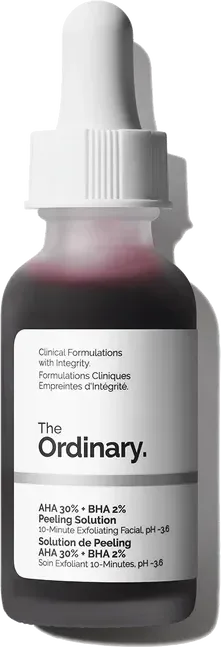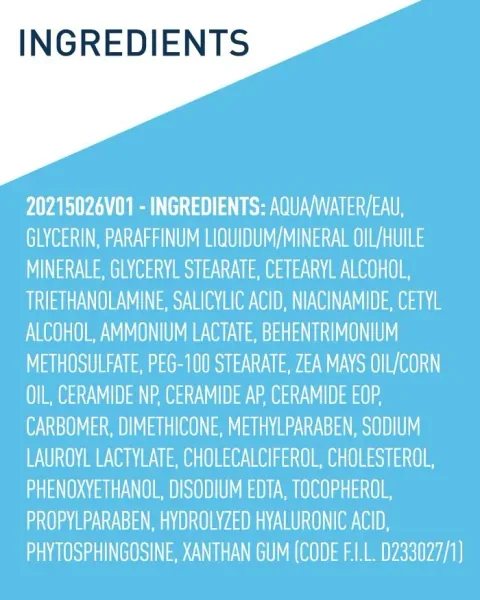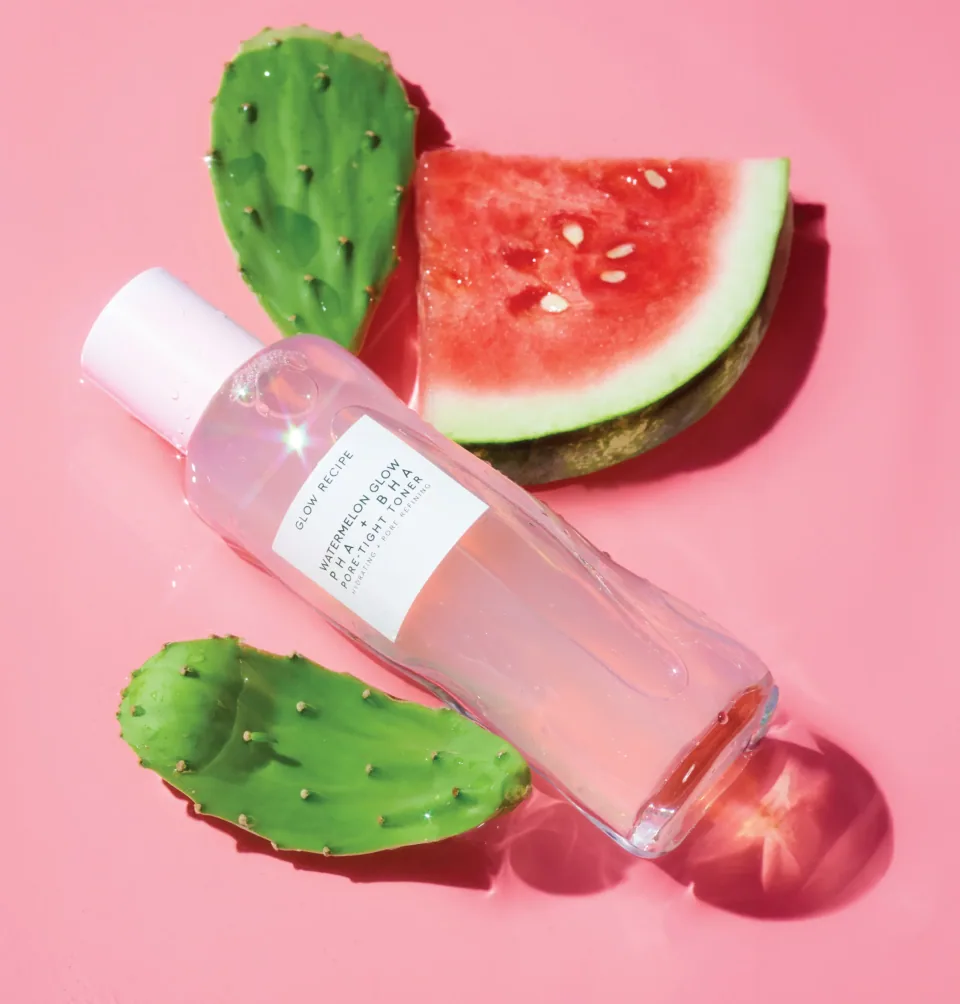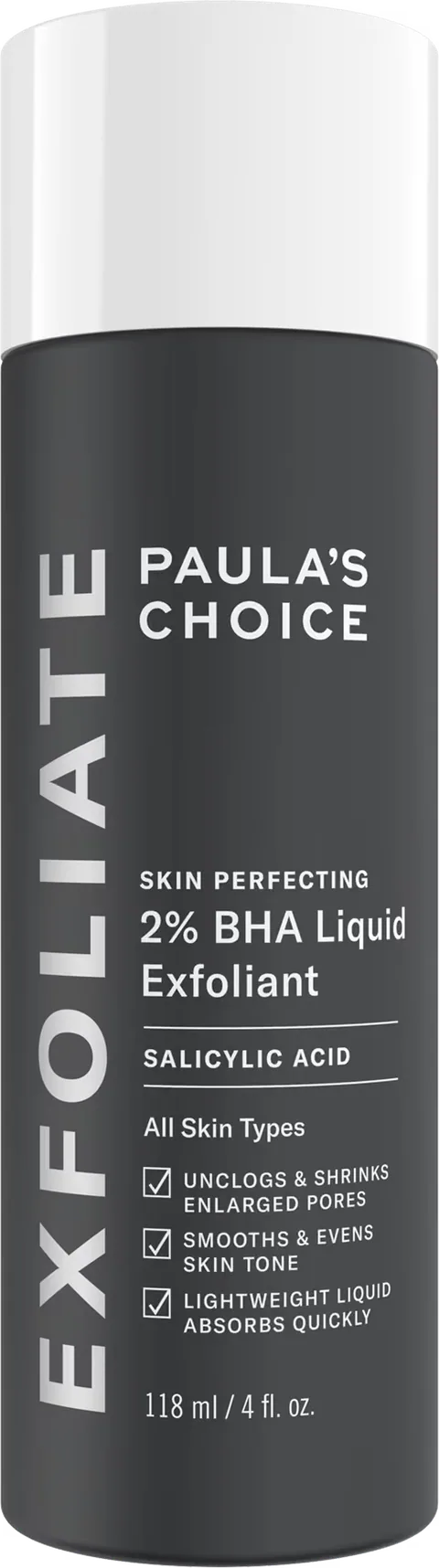
Chemical exfoliants have gone from dermatologist-office peels to everyday toners, serums, pads, body lotions and even shampoos. They can make skin look smoother and brighter and help with clogged pores. They're also one of the most common reasons people end up searching "how to fix my skin barrier."
The difference between those outcomes is mostly about choosing the right acid and using less of it than the internet suggests.
How chemical exfoliation works
Chemical exfoliants loosen the bonds that hold dead cells to the skin's surface so they shed more evenly. The FDA describes AHA products as causing exfoliation, or shedding of the surface skin, and notes that how much exfoliation you get depends on the type and concentration of the acid, its pH and the other ingredients in the formula [1].
That last point matters. Two "10% glycolic" products can behave very differently if one is formulated at a lower pH than the other. Researchers likewise describe AHA effects as dependent on concentration, pH and exposure time [5].
The three families at a glance
| Family | Common names on labels | Dissolves in | Best suited to | Notes |
|---|---|---|---|---|
| AHA | Glycolic, lactic, mandelic, citric, malic, tartaric acid | Water | Dullness, rough texture, normal to dry skin | Increases sun sensitivity [1] |
| BHA | Salicylic acid (also listed as salicylate, sodium salicylate, willow extract) [3] | Oil | Oily skin, blackheads, clogged pores | Precautions similar to AHAs [3] |
| PHA | Gluconolactone, lactobionic acid | Water | Sensitive or reactive skin | Gentler, adds moisture [7] |
AHAs: glycolic, lactic and mandelic
AHAs are organic acids found naturally in sugarcane (glycolic), sour milk (lactic) and fruits (citric and malic) [5]. Products containing them are marketed for smoothing fine lines and surface wrinkles, improving texture and tone, unblocking pores and improving skin condition in general [1].
- Glycolic acid is the most widely used AHA and the one most studied for sun sensitivity [1][5]. It's effective, and it's the one most likely to sting.
- Lactic acid exfoliates and also acts as a humectant, so it tends to suit drier skin. It's one of the two AHAs, with glycolic, that dominate cosmetic products [2].
- Mandelic acid has a larger molecule than glycolic acid and is often marketed as a gentler option for sensitive skin. Independent clinical comparisons are limited, so treat "gentle" as a brand claim and patch test.
BHA: salicylic acid
Salicylic acid is the BHA you'll see in almost every product, and the FDA notes that from a chemist's perspective it isn't technically a true BHA, though the name has stuck [3]. What sets it apart is that it's lipophilic: it mixes with oil and concentrates in the hair follicle and oil gland unit, which is why it's widely used for blackheads and comedonal acne [6]. It also has anti-inflammatory activity at concentrations between 0.5% and 5% [6].
The FDA's advice for BHA products mirrors its AHA advice: test on a small area first, stop and consult a physician if you get irritation or prolonged stinging, follow the label and don't exceed the recommended applications, avoid using BHA products on infants and children, and use sun protection [3].
Watch out: Salicylic acid is chemically related to aspirin. A review of salicylic acid peels notes they aren't recommended during pregnancy for that reason [6]. If you're pregnant, allergic to aspirin or have been told to avoid salicylates, ask a doctor before using salicylic acid products, especially on large areas of skin.
PHAs: gluconolactone and lactobionic acid
Polyhydroxy acids are a newer generation of AHA-like ingredients. A 2004 review describes them as providing effects similar to AHAs without the same sensory irritation, being compatible with sensitive skin and offering extra humectant benefits that can strengthen barrier function [7]. It's an older review, and independent head-to-head trials against AHAs are limited, but in practice PHAs are a reasonable first acid for people whose skin dislikes glycolic.
Strength, pH and the FDA's Sunburn Alert
AHAs used in cosmetics are regulated as cosmetics as long as they're sold for appearance. Products marketed to treat acne, remove scars or lighten discolorations are considered drugs under the law [1].
For everyday cosmetic use, the industry's Cosmetic Ingredient Review (CIR) Expert Panel concluded that products containing glycolic and lactic acid are safe for consumers if [1]:
| Condition | Threshold |
|---|---|
| AHA concentration | 10% or less |
| Final product pH | 3.5 or greater |
| Sun protection | Formula protects against increased sun sensitivity, or directions tell users to use daily sun protection |
Stronger "peel" products exist, and the FDA notes that the more serious adverse reactions reported for AHAs tend to occur with products that cause the most exfoliation, such as "skin peelers" [1]. Between 1992 and February 2004, the agency received 114 reports of adverse skin reactions to AHA products, including burning, rashes, swelling, pigment changes, blisters and chemical burns [1].
Why sunscreen is non-negotiable
FDA-led studies found that after four weeks of applying an AHA cream, volunteers' skin was 18% more sensitive to UV reddening, and sensitivity to UV-induced cell damage roughly doubled on average, with wide differences between people. The good news: the effect was reversible, and one week after stopping, there were no significant differences in UV sensitivity [1].
Based on that work, the FDA recommends that AHA cosmetics carry a statement conveying this Sunburn Alert: the product contains an AHA that may increase skin's sensitivity to the sun and particularly the possibility of sunburn, so use a sunscreen, wear protective clothing and limit sun exposure while using it and for a week afterwards [2].
Tip: Use exfoliating acids at night and wear a broad-spectrum SPF 30 or higher every morning. Our sunscreen guide explains how much to apply.
How to start without wrecking your skin
The AAD's advice on exfoliation boils down to choosing a method that suits your skin type, being gentle and not overdoing it [4]:
- Check what you already use. Prescription retinoids, retinol and benzoyl peroxide can already make skin peel or sensitive. Adding exfoliation can worsen dryness or even cause breakouts [4].
- Match the acid to your skin. Dry, sensitive or acne-prone skin may do better with a mild chemical exfoliant, while oily, thicker skin can usually handle stronger options [4]. Practically: PHA or lactic acid for dry or reactive skin, salicylic acid for oily and blackhead-prone skin, glycolic for normal skin focused on texture.
- Patch test. Apply the product to a quarter-sized spot, such as the inside of the elbow, twice daily for seven to ten days. For wash-off products, leave them on for five minutes or as long as the directions say [8].
- Start low and slow. Two or three evenings a week is plenty at first. Increase only if your skin stays comfortable.
- Moisturize right after. Exfoliation is drying, and the AAD recommends moisturizer immediately afterward [4].
- Skip it when skin is compromised. Never exfoliate over open cuts, wounds or sunburn [4].
Watch out: If you have a darker skin tone or tend to get dark marks after acne, bug bites or burns, avoid strong chemical or mechanical exfoliation. The AAD notes that aggressive exfoliation can lead to increased pigmentation in these cases [4]. Gentle and consistent beats strong and occasional.
Signs you've gone too far
Stop acids for a while if you notice stinging when you apply plain moisturizer, a shiny, tight look, persistent redness, flaking or new breakouts. Our skin barrier repair guide has a simple reset routine. See a dermatologist if irritation is severe or doesn't settle.
Formats: pads, toners, serums and wash-offs
- Leave-on toners and serums give the most consistent results because they stay on the skin.
- Pads are convenient but make it easy to overdo it, since people swipe the same area repeatedly.
- Cleansers with acids have short contact time, so they're gentler and milder in effect.
- Masks and at-home peels are stronger and time-limited. Follow the contact time exactly.
- Body lotions with lactic acid or urea are a popular choice for rough elbows, knees and bumpy upper arms. Browse body care.
How we evaluate exfoliants
Our exfoliant scores look at the acid type and stated percentage, whether the brand discloses pH, the irritation reports that come up in creator reviews and forums, and price per use. We don't run lab tests on pH. When a brand doesn't publish the concentration, we say so. Full details are in how we score.
Bottom line: Pick one acid that suits your skin, use it a few nights a week, wear sunscreen every day, and back off at the first sign of stinging that lingers. More acid is rarely better.
Ingredients in this story
Good questions.
Can I use an AHA and a BHA together?
You can, and some products combine them, but it raises the chance of irritation. Most people do better alternating them, for example a BHA on oily days or nights and an AHA on others, or using a combination product on its own rather than layering separate acids. If your skin stings, peels or turns red, cut back to one acid a few times a week.
Should I use exfoliating acids with retinol?
Be cautious. The AAD notes that retinoids, retinol and benzoyl peroxide already make skin more sensitive or peel, and adding exfoliation can worsen dryness or even trigger breakouts. Many people use acids and retinoids on different nights, or pause acids while getting used to a retinoid. If your retinoid is a prescription, ask your prescriber.
Are chemical exfoliants safe during pregnancy?
This is a question for your obstetrician or dermatologist. A review of salicylic acid peels notes they aren't recommended in pregnancy because salicylic acid is closely related to aspirin, while AHA peels are considered lower risk. Low-strength leave-on products are a different exposure from in-office peels, but get personalized advice before starting any new active while pregnant.
What's the difference between a toner, a serum and a peel?
Mostly strength, pH and contact time, not the name. Daily toners and serums usually contain lower concentrations meant for repeated use. At-home 'peels' and masks are often stronger and left on for a set number of minutes. Professional peels are much stronger and are done under supervision. Read the directions and the acid percentage, and follow the contact time exactly.
References
The research behind this guide — open any source to read the original.
- [1]Alpha Hydroxy Acids — U.S. Food and Drug Administration
- [2]Guidance for Industry: Labeling for Cosmetics Containing Alpha Hydroxy Acids — U.S. Food and Drug Administration
- [3]Beta Hydroxy Acids — U.S. Food and Drug Administration
- [4]How to safely exfoliate at home — American Academy of Dermatology
- [5]Dual Effects of Alpha-Hydroxy Acids on the Skin — Molecules (2018), via PubMed Central
- [6]Salicylic acid as a peeling agent: a comprehensive review — Clinical, Cosmetic and Investigational Dermatology (2015), via PubMed Central
- [7]The use of polyhydroxy acids (PHAs) in photoaged skin — Cutis (2004), via PubMed
- [8]How to test skin care products — American Academy of Dermatology
Educational content, not medical advice. Patch-test anything new, and see a dermatologist for persistent skin or scalp concerns. Our editorial standards
Discussion
What do you think?
No discussions yet.
Tried this article? Ask a question or share how it’s working for your skin or hair — you’ll be the first.