Best overall Trending
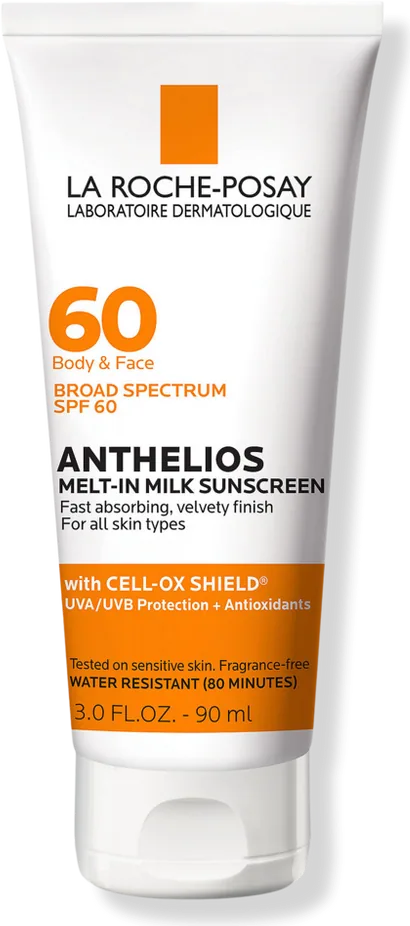
La Roche-Posay
Anthelios Melt-In Milk Sunscreen SPF 60
8.2Great
A fragrance-free face-and-body SPF 60 with 80-minute water resistance and a velvety, fast-absorbing feel, at a fair price per ml.
SPF 603$37.99
Mineral, chemical and hybrid face sunscreens, sticks and tinted SPF, scored on protection, wearability and value.
Top rated
Daily sunscreen is the single best-supported skincare habit for preventing sunburn, early signs of sun damage and skin cancer. This category covers face sunscreens in every format: mineral formulas built on zinc oxide and titanium dioxide, chemical (organic) filters such as avobenzone and homosalate, hybrids, sticks, sprays and tinted SPF, including Korean and Japanese sunscreens with newer filters.
The American Academy of Dermatology recommends broad-spectrum, water-resistant sunscreen with SPF 30 or higher, applied about 15 minutes before going outdoors, at least a teaspoon for the face and roughly an ounce for exposed body skin, reapplied every two hours and after swimming or sweating. In the US, sunscreen is an over-the-counter drug: 'broad spectrum' means it passed the FDA's UVA test, and water resistance must be labeled as 40 or 80 minutes. Asian sunscreens rate UVA with the PA system, up to PA++++. In June 2026 the FDA added bemotrizinol, a filter long used abroad, to the US sunscreen monograph at up to 6%. Tinted sunscreens with iron oxides add protection from visible light, which matters for melasma and dark spots.
Our Beauty score for sunscreen weights results 30%, formula and ingredients 20%, texture and experience 15%, value 20% and community love 15%. We cannot measure SPF ourselves, so results reflect labeled protection (broad spectrum, SPF, PA rating, water resistance) and how reliably creators and the community report no burning, no white cast and good wear. Texture matters more here than anywhere: a sunscreen you enjoy wearing generously every day protects better than a higher number you skimp on.
All sunscreen
8 products
La Roche-Posay
A fragrance-free face-and-body SPF 60 with 80-minute water resistance and a velvety, fast-absorbing feel, at a fair price per ml.
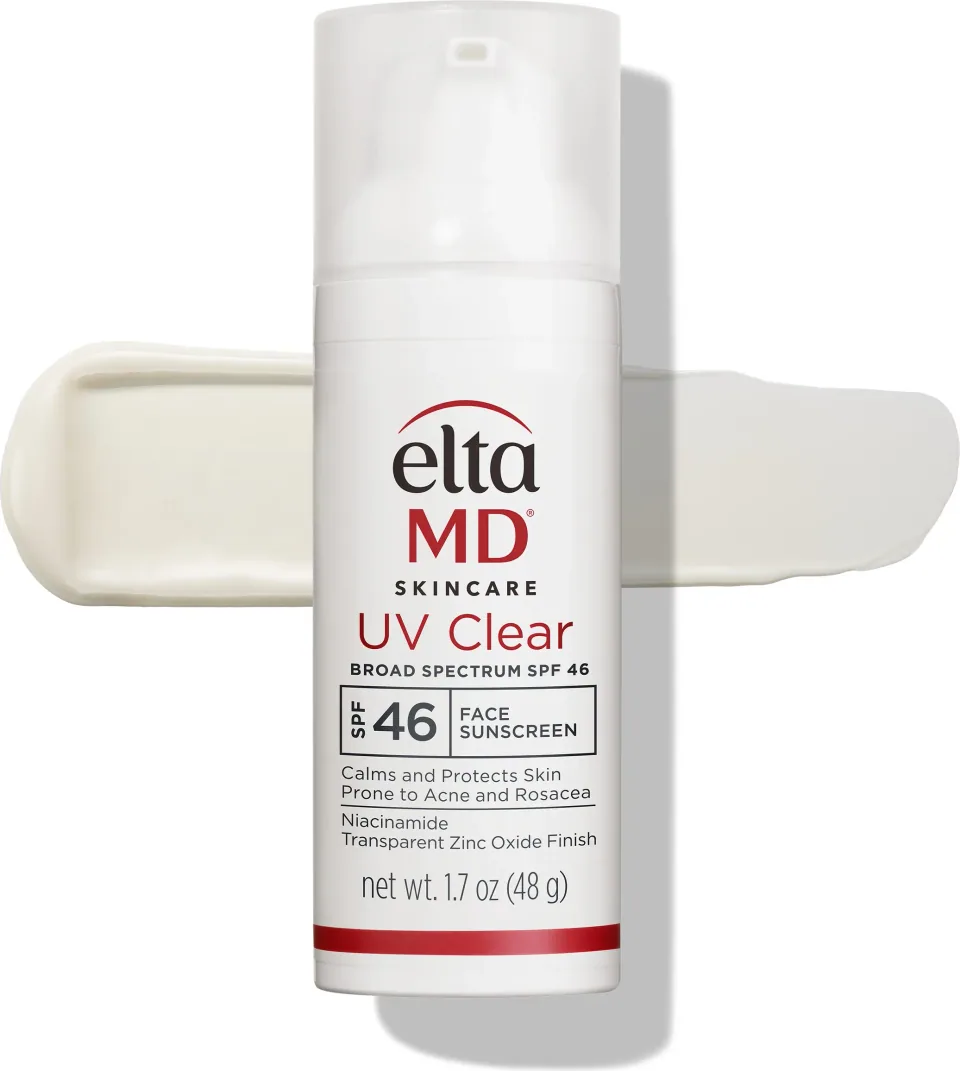
EltaMD
The dermatologist-office staple for acne- and rosacea-prone skin: light, fragrance-free and niacinamide-boosted, at a premium price.
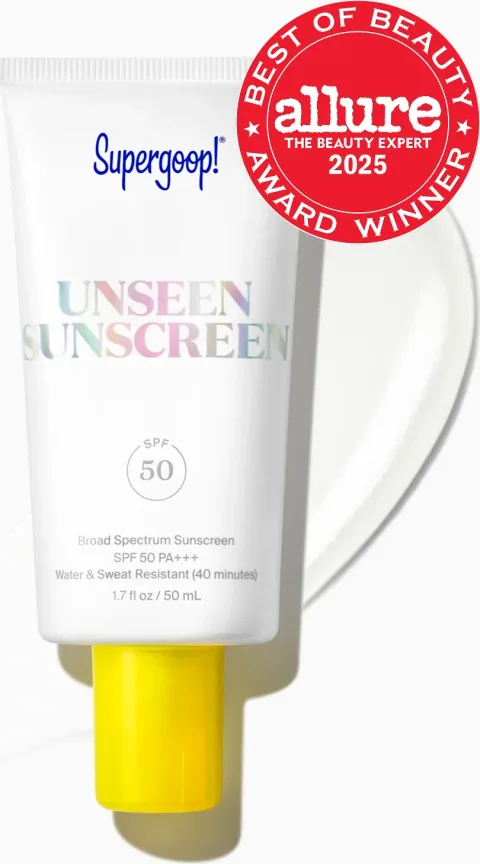
Supergoop!
The cult clear-gel primer sunscreen, now SPF 50: invisible on every skin tone and makeup-friendly, but pricey per ounce.
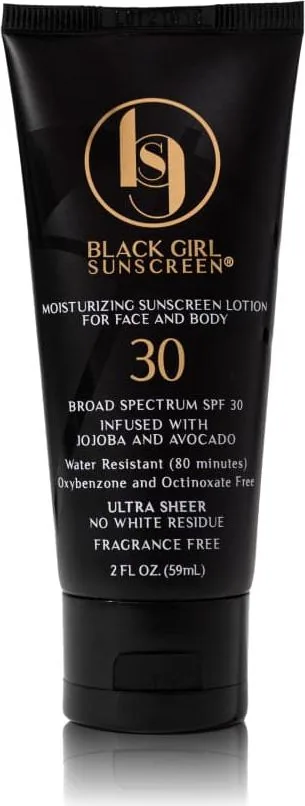
Black Girl Sunscreen
An affordable, moisturizing SPF 30 that dries clear on deep skin tones, with a glowy finish oily skin may find too shiny.
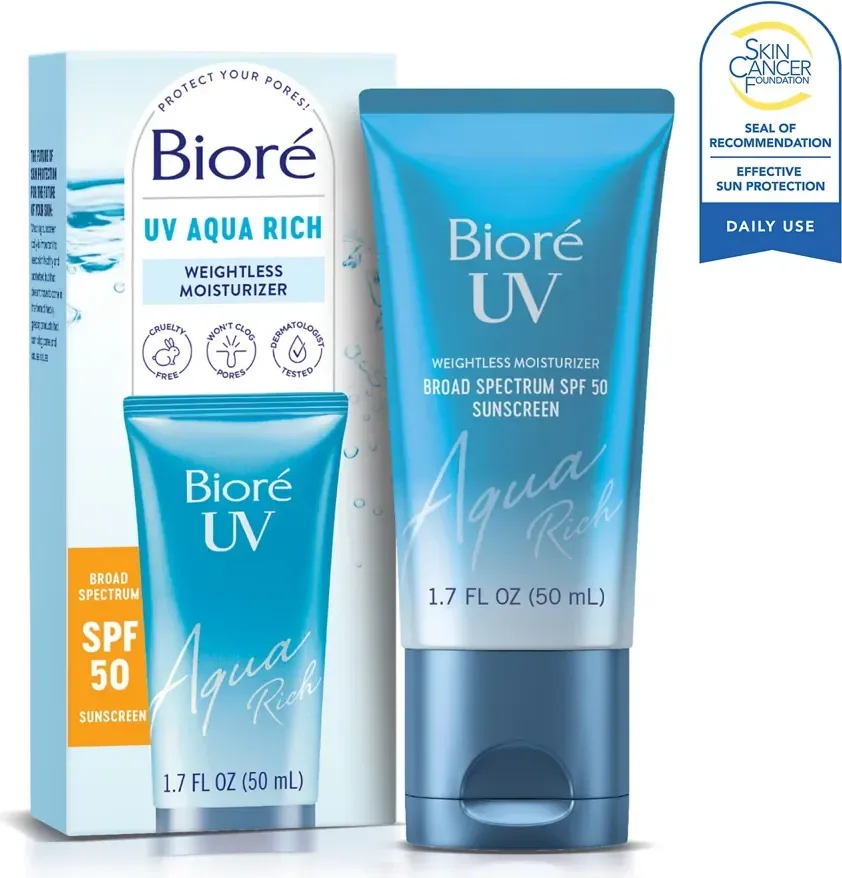
Bioré
The US-legal take on Japan's cult watery sunscreen: light, invisible and cheap, but fragranced, alcohol-based and not the Japanese formula.
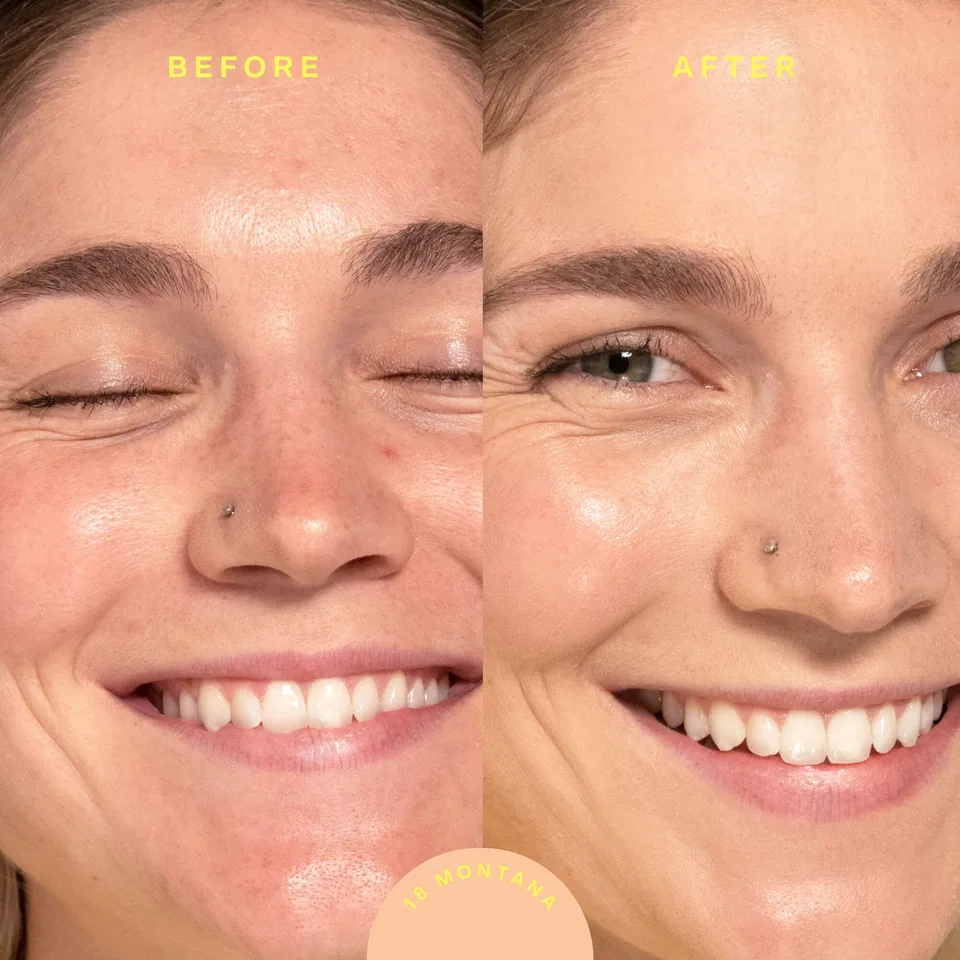
Tower 28
A gentle 100% mineral tinted SPF 30 with buildable light-medium coverage and an NEA seal, in 17 shades.
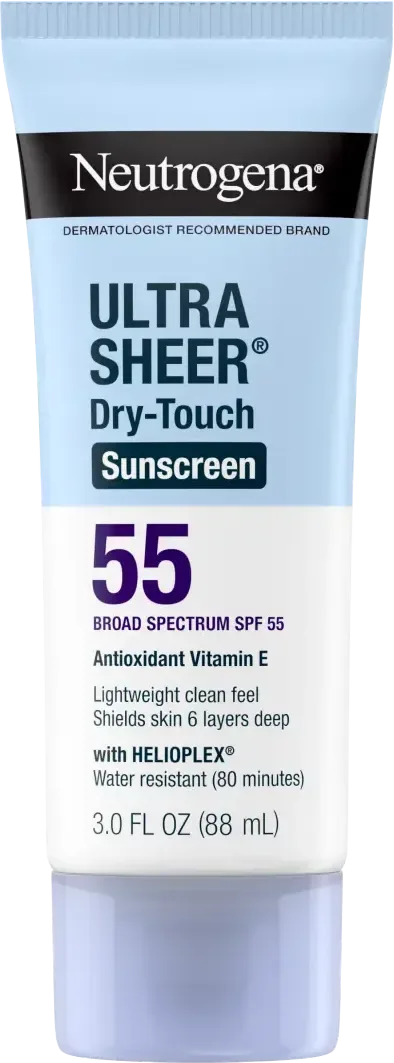
Neutrogena
A cheap, water-resistant drugstore classic with a fast-drying, non-shiny finish; it is fragranced, and white-cast reports are mixed.
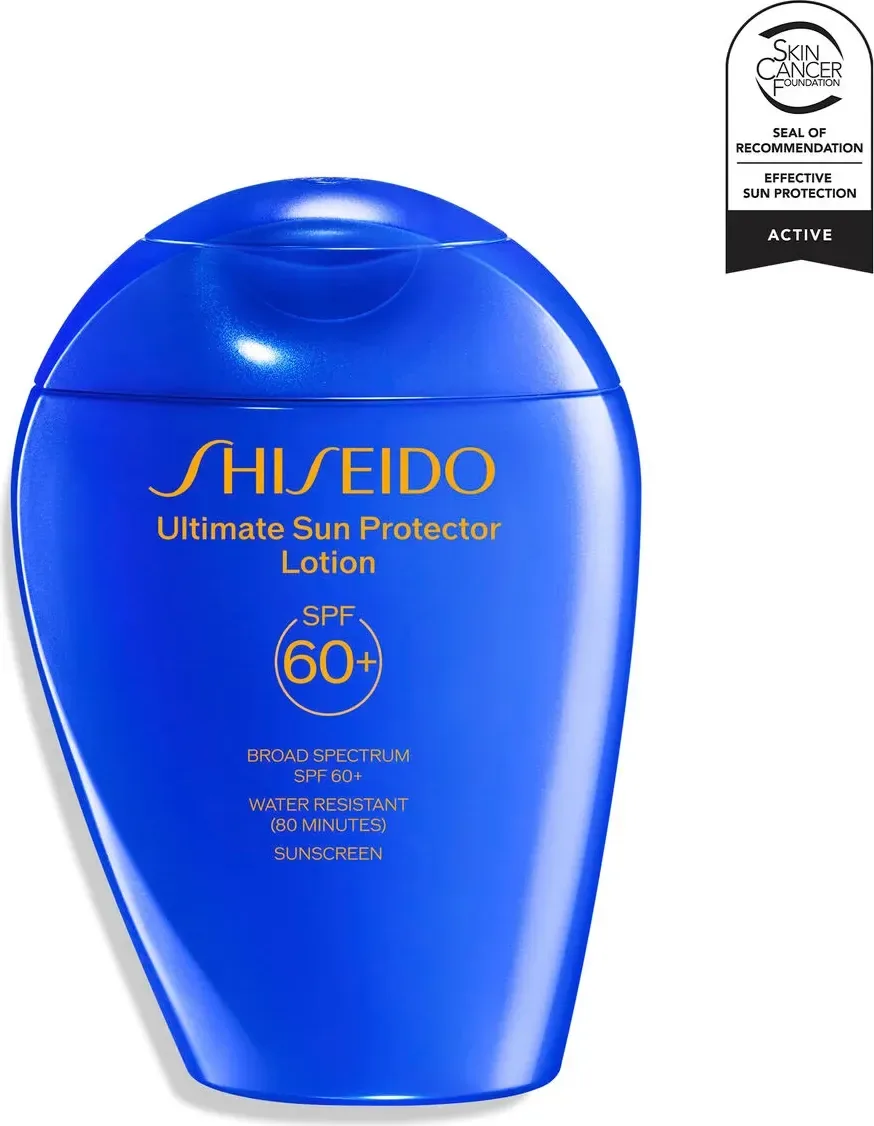
Shiseido
A luxury, invisible SPF 60+ lotion built for heat, water and sweat, with 80-minute water resistance and a steep price.
Buying guide
Look for broad spectrum, SPF 30 or higher and, for outdoor days, water resistance (40 or 80 minutes). On Korean and Japanese products, PA++++ is the highest UVA grade. The FDA notes there is no such thing as a waterproof sunscreen; US labels say 'water resistant' and state 40 or 80 minutes.
Mineral sunscreens use zinc oxide and/or titanium dioxide and are often recommended for sensitive skin and around the eyes, but they can leave a white or gray cast on medium and deep skin tones. Chemical filters rub in clear and feel lighter. Hybrids combine both. All FDA-compliant sunscreens protect when used correctly; choose the one you will actually apply.
If mineral sunscreens look ashy on you, try a tinted formula with iron oxides in your depth, a chemical or hybrid formula, or a sheer micronized zinc. Tinted sunscreens also help protect against visible light, which can worsen melasma and dark spots.
SPF is tested at 2 mg/cm², and most people apply about a quarter to half of that. The AAD suggests at least a teaspoon for the face, about the length of your index and middle fingers. Reapply every two hours outdoors and after swimming or sweating; sticks, powders and mists make touch-ups easier but are hard to apply generously.
The FDA says a sunscreen with no expiration date should be considered expired three years after purchase. Heat degrades filters, so don't leave sunscreen in a hot car, and discard anything that has separated or changed smell.
Foundation, powder and moisturizer with SPF rarely go on thickly enough to deliver the labeled number. Use a dedicated sunscreen as your base and count SPF makeup as extra coverage.
Video reviews
FAQ
The difference in UVB protection is small when both are applied correctly, and both block the large majority of UVB rays. In real life, people apply too little, so a higher SPF can provide a margin of safety. The AAD recommends SPF 30 or higher, broad spectrum and water resistant, applied generously and reapplied every two hours outdoors.
They often use newer UV filters and lighter textures, which is why many people love them. That does not make every Asian sunscreen better, and products bought from overseas sellers have not been reviewed as US sunscreens. Our sunscreen guide explains the filter differences and the FDA's 2026 addition of bemotrizinol.
UV reaches skin on cloudy days and in winter, and UVA passes through window glass. The AAD advises sunscreen whenever you go outside. If you sit beside a sunny window for hours, daily sunscreen is a sensible habit.
Options include a sunscreen stick, a sunscreen mist held close and applied in several passes, or an SPF powder. None goes on as thickly as lotion, so they work best as top-ups on top of a generous morning layer. For long days outdoors, wash off and reapply lotion when you can.
Community
No discussions yet.
Tried sunscreen? Ask a question or share how it’s working for your skin or hair — you’ll be the first.