Best overall
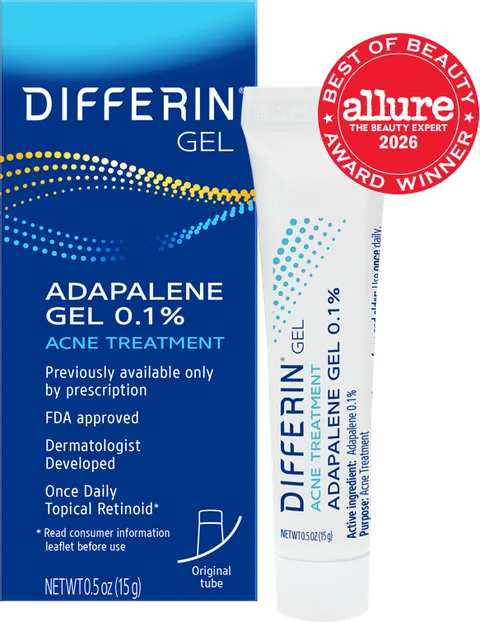
Differin
Adapalene Gel 0.1% Acne Treatment
8.3Great
The formerly prescription-only 0.1% adapalene gel, now OTC: a proven, inexpensive acne retinoid that demands patience through dryness.
Gel5
Retinoids, vitamin C, niacinamide, peptides and acne and dark-spot treatments, scored on evidence, formula and value.
Top rated
Serums and treatments are where most skincare actives live: retinoids for texture and fine lines, vitamin C for antioxidant protection and brightness, niacinamide, azelaic acid and tranexamic acid for uneven tone, salicylic acid and benzoyl peroxide for breakouts, and peptides and hydrators for everything in between. They are also where marketing runs furthest ahead of evidence, so we pay close attention to what is actually in the bottle.
The ingredients with the deepest research are retinoids and sunscreen, followed by vitamin C, niacinamide and azelaic acid. Concentration, pH and packaging matter: L-ascorbic acid, the best-studied form of vitamin C, needs an acidic formula to penetrate skin and degrades with light and air, and retinoids are unstable in clear jars. More is not always better. Higher strengths usually mean more irritation, and the American Academy of Dermatology suggests starting with one product at a time and building up retinoids gradually, every other night at first.
Our Beauty score for serums weights results 30%, formula and ingredients 20%, texture and experience 15%, value 20% and community love 15%. Here, formula carries real weight: we reward proven actives at disclosed, meaningful strengths, stable forms and protective packaging, and we mark down vague percentages, fragrance in leave-on actives and claims the evidence does not support. Value is price per milliliter against serums with the same active.
All serums
9 products
Differin
The formerly prescription-only 0.1% adapalene gel, now OTC: a proven, inexpensive acne retinoid that demands patience through dryness.
Timeless Skin Care
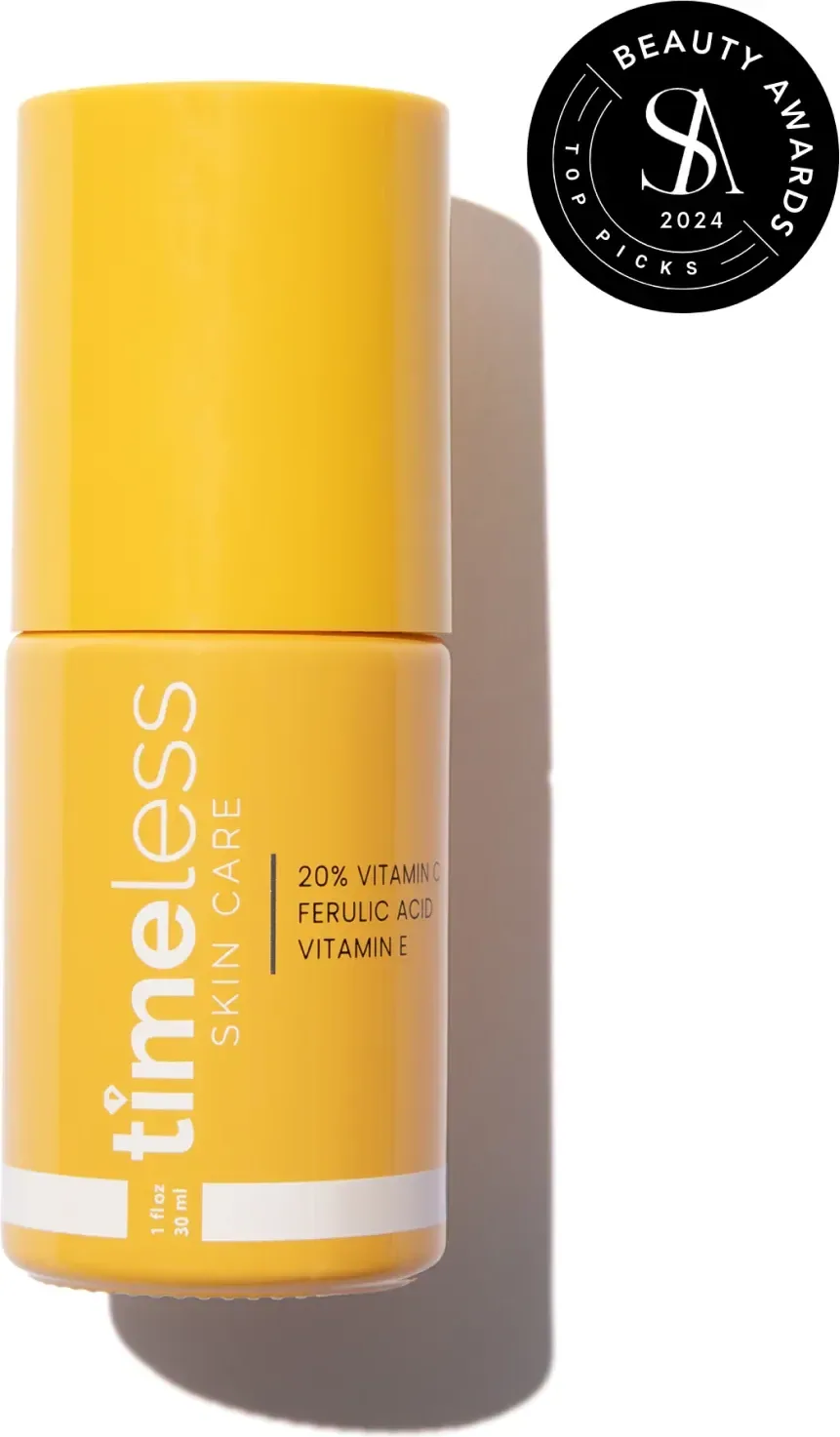
The best-known budget take on the C + E + ferulic formula: 20% L-ascorbic acid for $27.95, if you can keep it from oxidizing.
Good Molecules
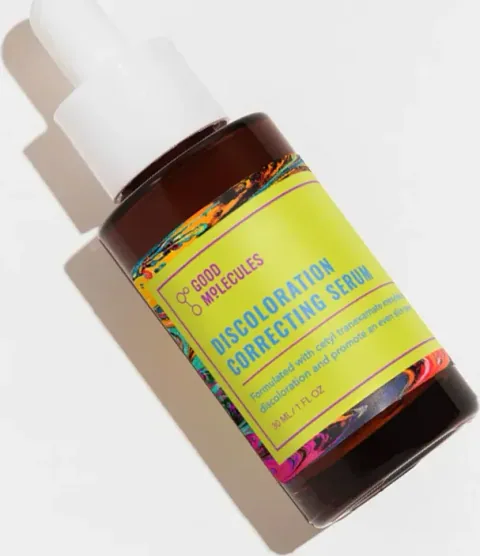
A $12 tranexamic-derivative and niacinamide serum with full ingredient percentages, a budget favorite for marks and uneven tone.
Beauty of Joseon
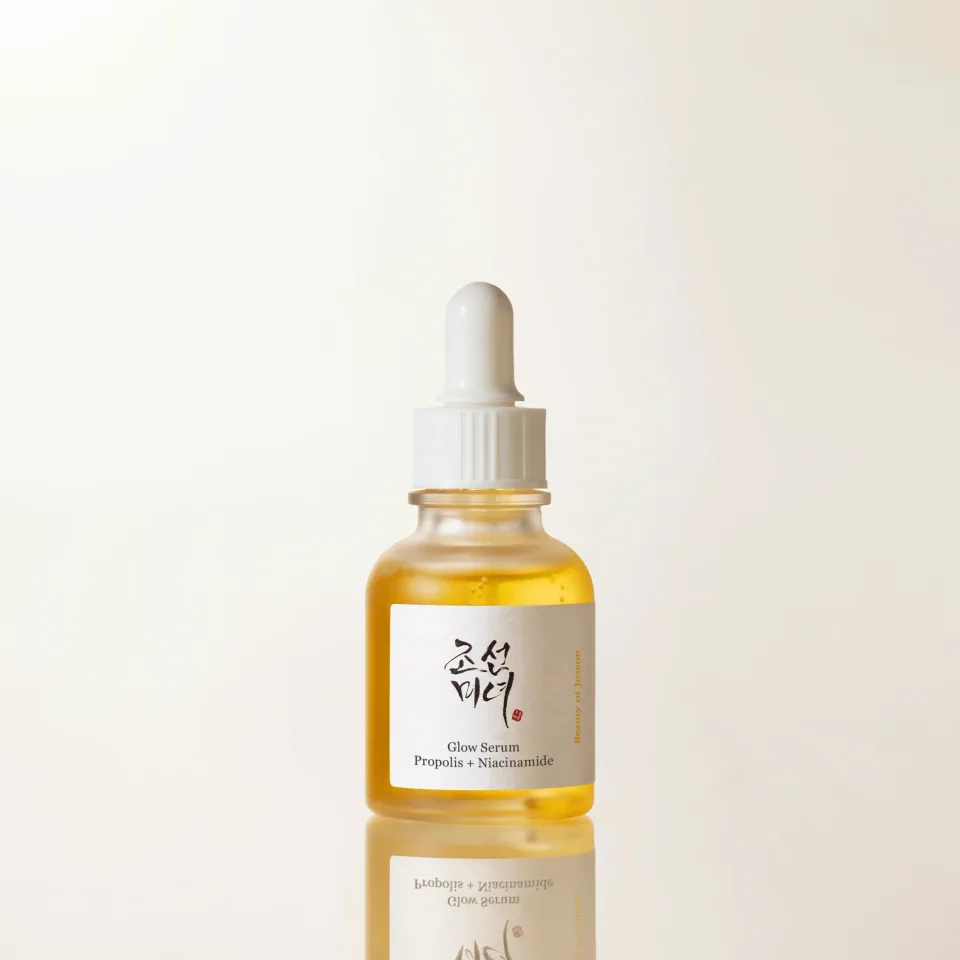
A cushiony propolis-and-niacinamide serum with a low price and a devoted following for glow, calm and smoother-looking pores.
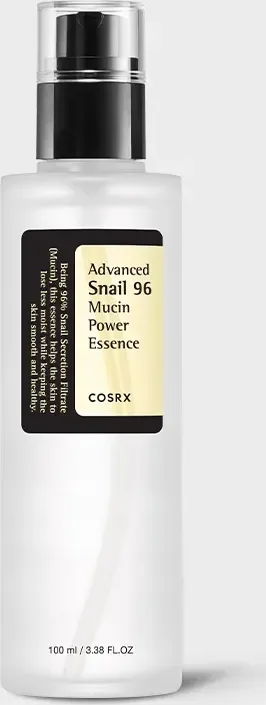
COSRX
The K-beauty hydration staple: 96% snail mucin in a lightweight, fragrance-free essence that most skin types tolerate, at a fair price.
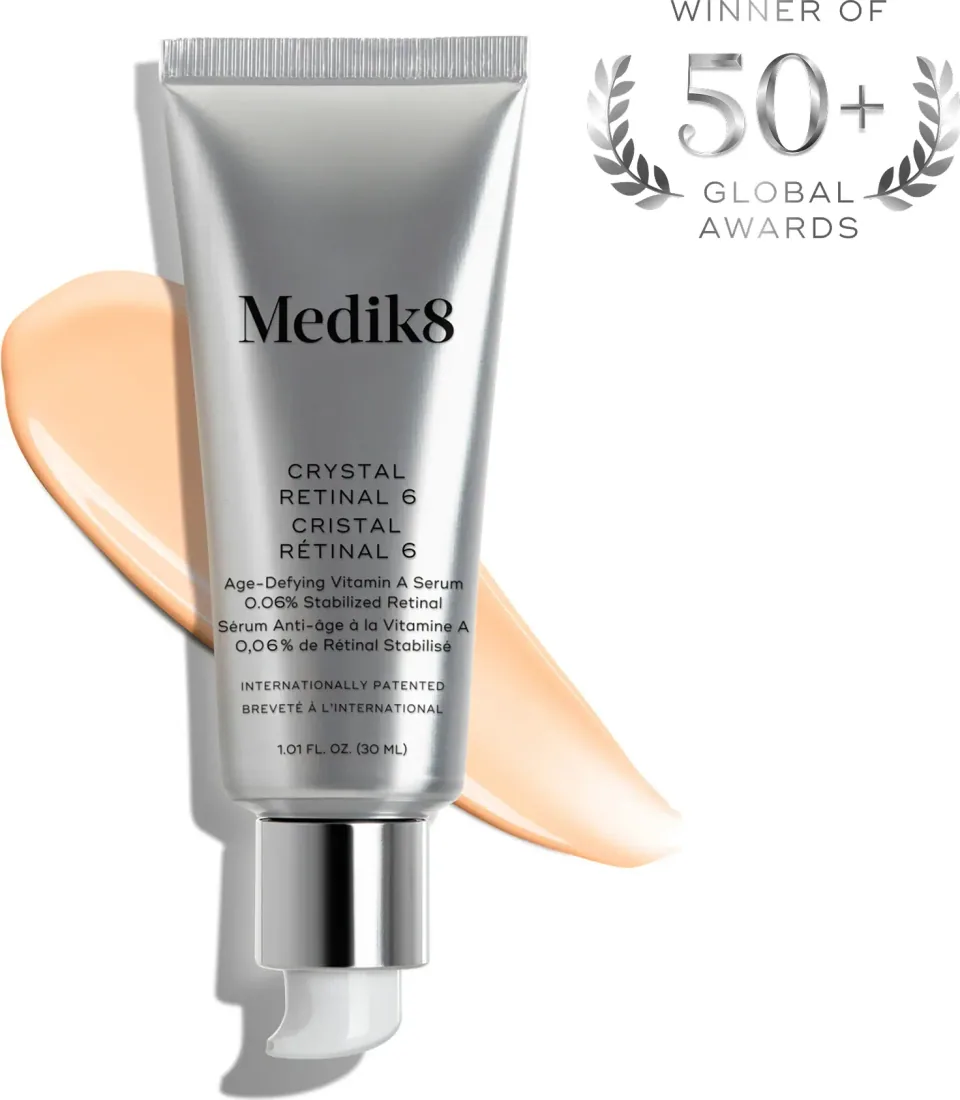
Medik8
A gentle, well-formulated 0.06% retinal night serum for regular vitamin A users, priced well above budget retinal alternatives.
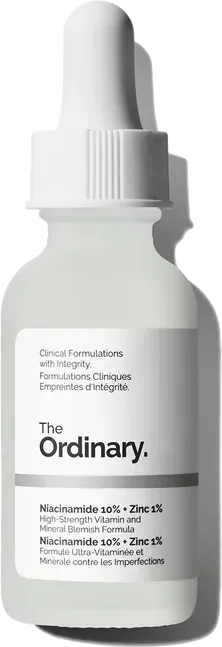
The Ordinary
A $6 cult niacinamide serum that helps many oily, blemish-prone users with shine and pores, though a vocal minority reports breakouts.
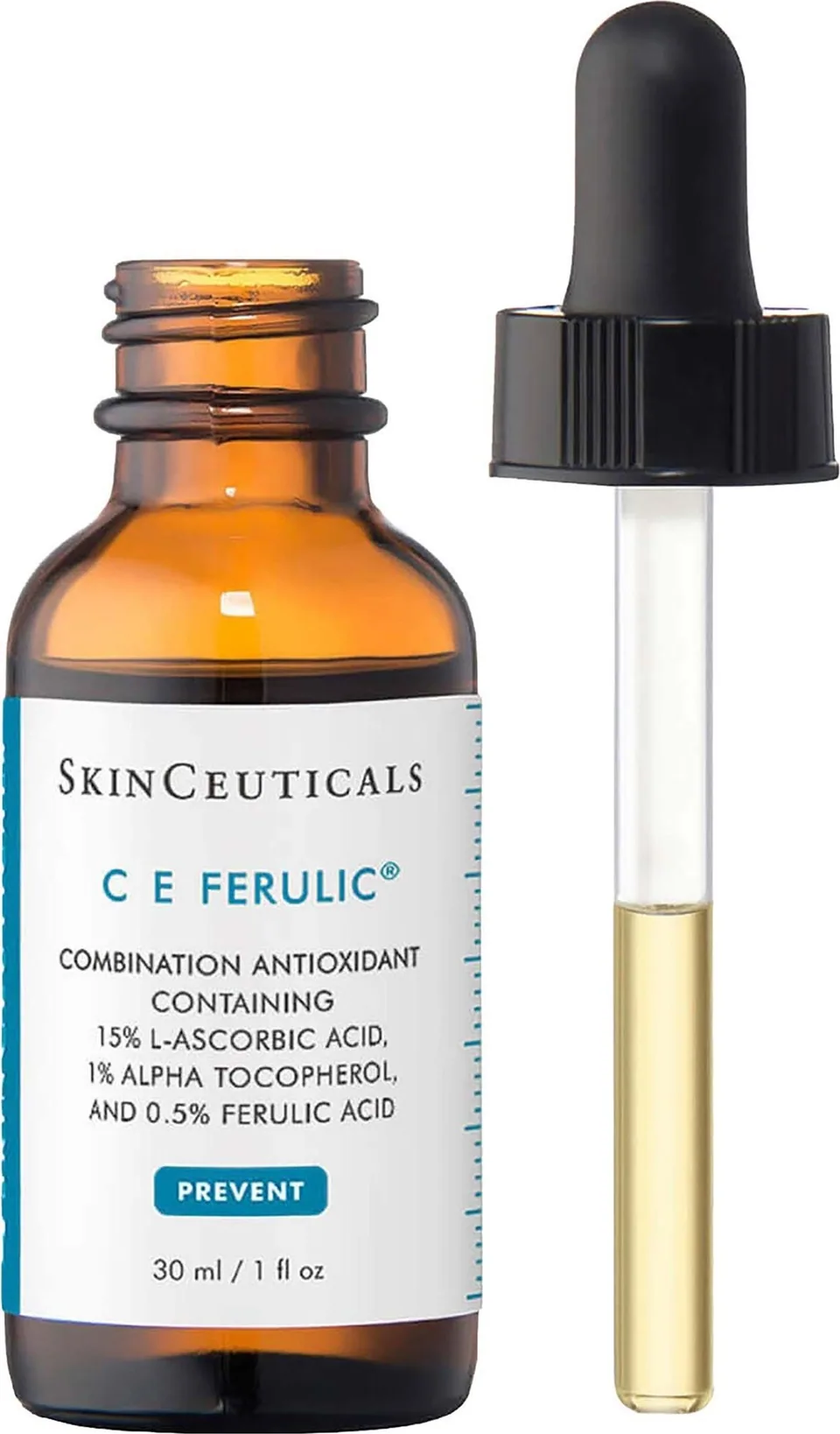
SkinCeuticals
The benchmark 15% vitamin C + E + ferulic serum, backed by strong data and derm loyalty, at a price many find hard to justify.
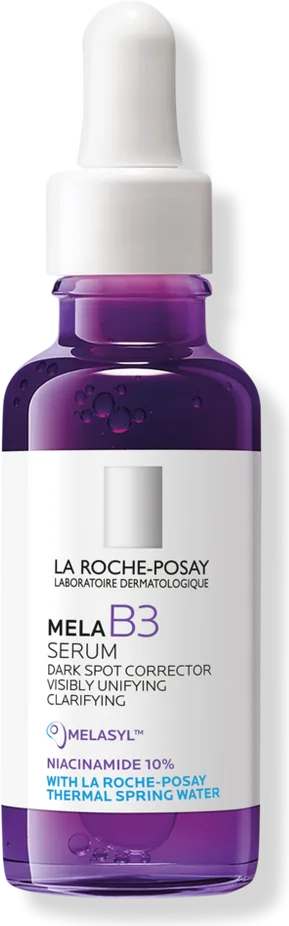
La Roche-Posay
A dark-spot serum pairing La Roche-Posay's new Melasyl molecule with 10% niacinamide; promising brand data, mixed real-world results.
Buying guide
Choose the active that matches your main concern: a retinoid for texture and fine lines, vitamin C for brightness and antioxidant support, niacinamide or azelaic acid for redness and uneven tone, salicylic acid or adapalene for clogged pores. Starting several actives at once makes it impossible to tell what helps and raises the odds of irritation.
Dermatologists quoted by the AAD suggest starting with the least intense formula every other night and building up slowly, using a pea-size amount for the whole face. Expect some dryness or flaking early on, and give it time: the AAD notes most anti-aging products take at least six weeks, sometimes up to three months, to show results. Use sunscreen daily, and avoid retinoids if you are pregnant or trying to conceive.
L-ascorbic acid has the most clinical data, typically at 10–20% in a low-pH formula. Derivatives such as sodium ascorbyl phosphate, ascorbyl glucoside and tetrahexyldecyl ascorbate are more stable and often gentler but have less human evidence. Buy opaque, airtight or airless packaging, and retire a serum that has turned dark orange or brown.
Brands that disclose strengths make comparisons possible. Higher is not automatically better: niacinamide studies mostly used 2–5%, and many people tolerate it better below 10%. Pumps, airless bottles and tinted glass protect fragile actives better than dropper bottles opened twice a day.
Test a new treatment on a small area for 7 to 10 days before applying it to your whole face, as the AAD recommends. Layer thin to thick, and avoid stacking strong exfoliating acids with retinoids on the same night if your skin is sensitive.
Persistent acne, melasma, rosacea or sudden changes in a spot or mole need a professional assessment. Prescription options, such as stronger retinoids or azelaic acid at 15–20%, are outside our scope but often more effective than anything over the counter.
Video reviews
FAQ
All are retinoids. Retinol and retinal (retinaldehyde) are cosmetic ingredients the skin converts to retinoic acid; retinal is one step closer, so it tends to work faster and can be more irritating. Adapalene 0.1% is an over-the-counter acne drug in the US. Our guide to retinol vs. retinal vs. adapalene covers how to choose.
Yes. The old warning came from lab experiments at high heat that do not reflect normal use. Many people apply vitamin C in the morning and niacinamide at either end of the day. If the combination stings, separate them or alternate days.
It depends on the active. Hydrating serums feel good immediately, niacinamide and vitamin C studies typically measure results over 8 to 12 weeks, and retinoids often need three to six months for visible changes in texture and fine lines. Give one product at least two to three months before judging it.
The AAD advises avoiding retinoids, including retinol, during pregnancy. Many dermatologists consider azelaic acid and vitamin C reasonable options, but check every product with your obstetrician or dermatologist before using it while pregnant or breastfeeding.
Yes. L-ascorbic acid oxidizes with air, light and heat and turns yellow, then orange or brown. A slight color change is common; a dark orange or brown serum has lost much of its active vitamin C. Store it closed, away from light and heat, and use it within a few months of opening.
Community
No discussions yet.
Tried serums & treatments? Ask a question or share how it’s working for your skin or hair — you’ll be the first.