Best overall Trending
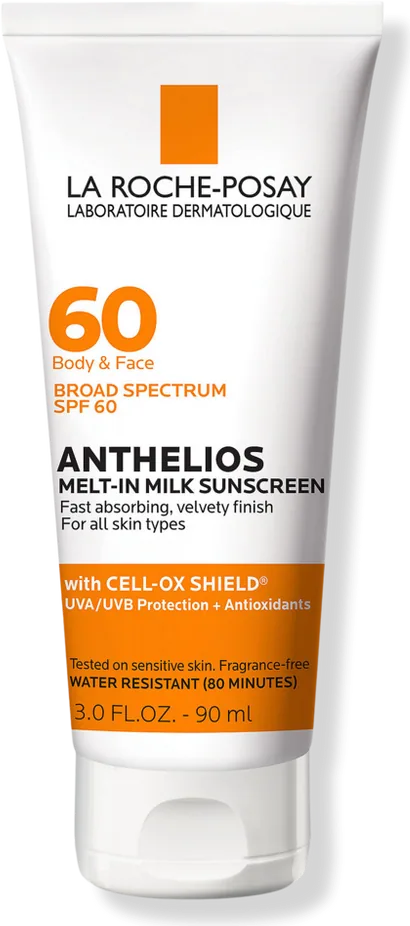
La Roche-Posay
Anthelios Melt-In Milk Sunscreen SPF 60
8.2Great
A fragrance-free face-and-body SPF 60 with 80-minute water resistance and a velvety, fast-absorbing feel, at a fair price per ml.
SPF 603$37.99
UV filters· in 7 products
Also listed as Organic UV filters, Avobenzone, Homosalate and Octisalate
Chemical, or organic, UV filters are carbon-based molecules that absorb UV radiation and release it as a small amount of heat. They allow lightweight, invisible sunscreens and are combined to cover both UVB and UVA.
What it does
Each organic filter absorbs a particular band of UV, so sunscreens combine several to reach a high SPF and broad-spectrum protection. In the U.S., avobenzone is the main approved long-UVA filter and is often stabilized with octocrylene. Newer filters available in the EU, Asia and Australia, such as bemotrizinol, bisoctrizole and Uvinul A Plus, are more photostable but are not yet approved in the U.S. FDA-commissioned trials show several U.S. filters are absorbed into the blood above the threshold that triggers further safety testing; absorption does not mean harm, and the FDA and dermatology groups continue to advise sunscreen use.
Strong evidence
UV protection is proven by standardized testing; the FDA has asked manufacturers for more safety data on most organic filters, so their long-term systemic safety is under review rather than shown to be harmful.
In our directory: It’s a key ingredient in 7 products we review, most often sunscreen. Those products are mostly built for uv protection, waterproof and no white cast. In formulas, it most often shares the label with vitamin e, glycerin and hyaluronic acid.
Reach for it for
Usually a good fit for
How to use it
Apply about 1/4 teaspoon to the face and neck as the last morning step and reapply every two hours outdoors and after swimming or sweating.
Layering
Pairs well with
Before you start
Some filters, especially oxybenzone and octocrylene, can cause stinging, allergic or photoallergic reactions in a minority of people, and avobenzone can sting near the eyes. Those with sensitive skin may prefer mineral filters. Oxybenzone and octinoxate are banned in some places, such as Hawaii, over reef concerns.
References
Educational, not medical advice. Ingredient guides summarise published research and expert guidance; formulas and concentrations differ between products.
7 products
7 products
La Roche-Posay
A fragrance-free face-and-body SPF 60 with 80-minute water resistance and a velvety, fast-absorbing feel, at a fair price per ml.
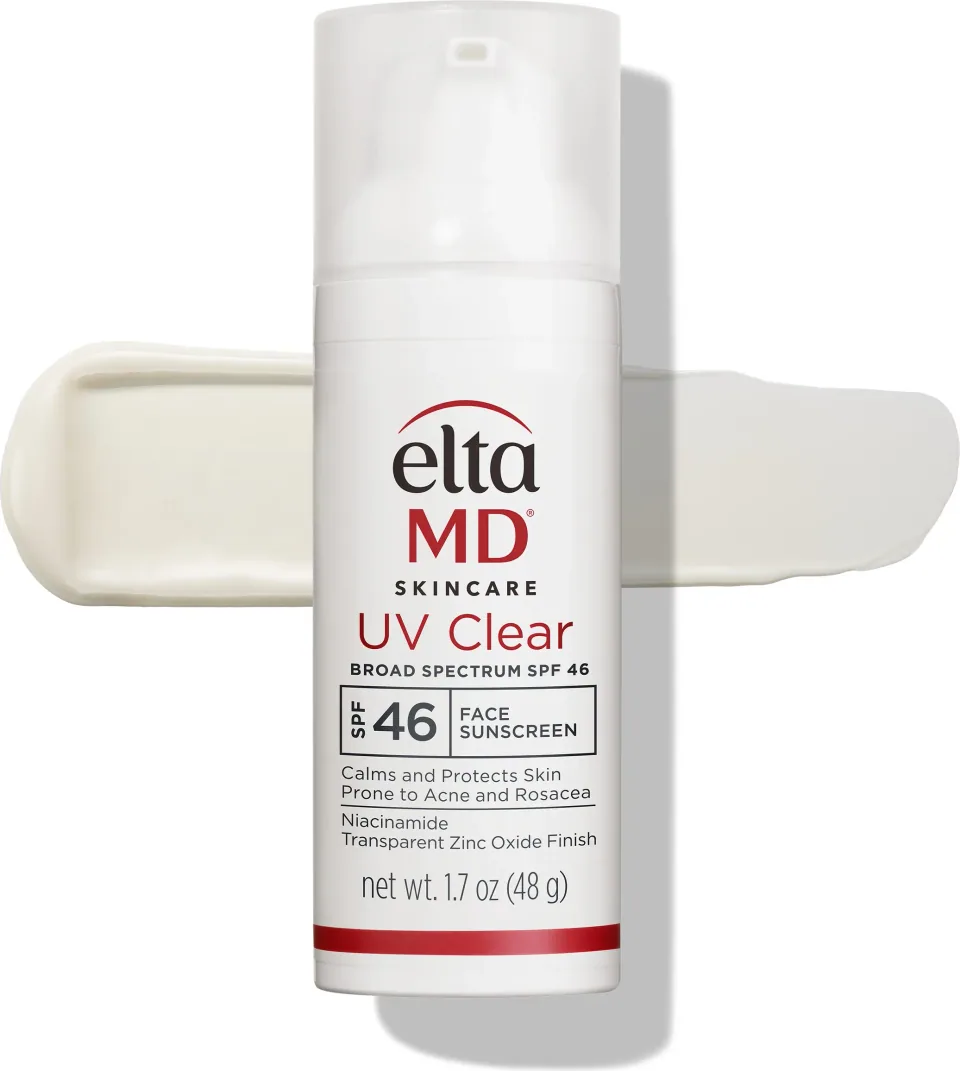
EltaMD
The dermatologist-office staple for acne- and rosacea-prone skin: light, fragrance-free and niacinamide-boosted, at a premium price.
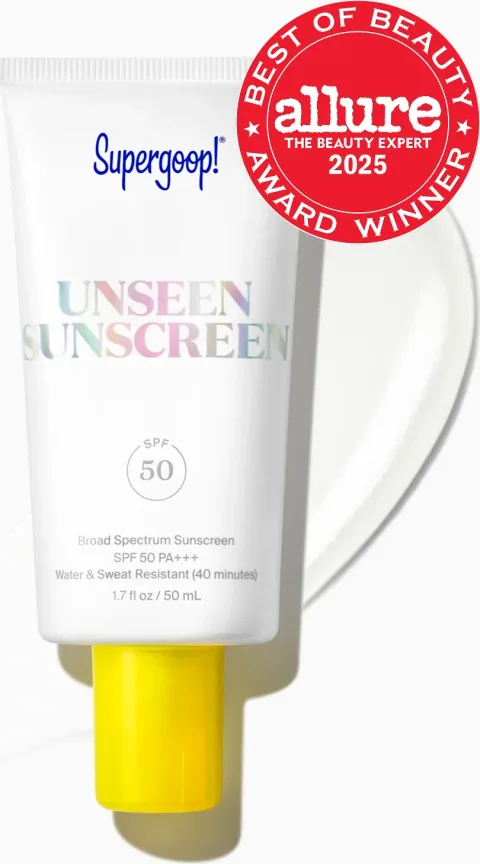
Supergoop!
The cult clear-gel primer sunscreen, now SPF 50: invisible on every skin tone and makeup-friendly, but pricey per ounce.
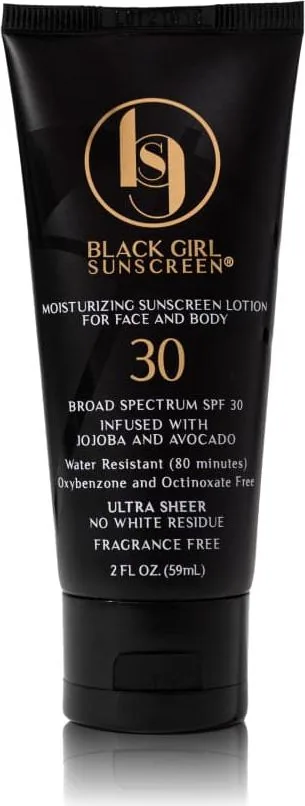
Black Girl Sunscreen
An affordable, moisturizing SPF 30 that dries clear on deep skin tones, with a glowy finish oily skin may find too shiny.
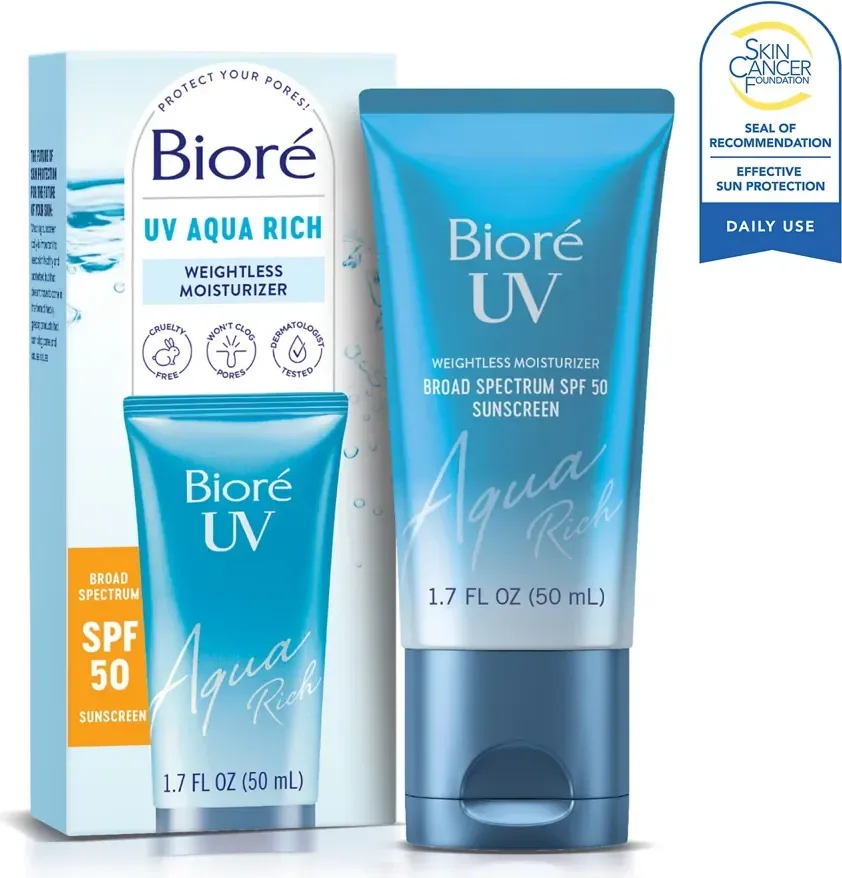
Bioré
The US-legal take on Japan's cult watery sunscreen: light, invisible and cheap, but fragranced, alcohol-based and not the Japanese formula.
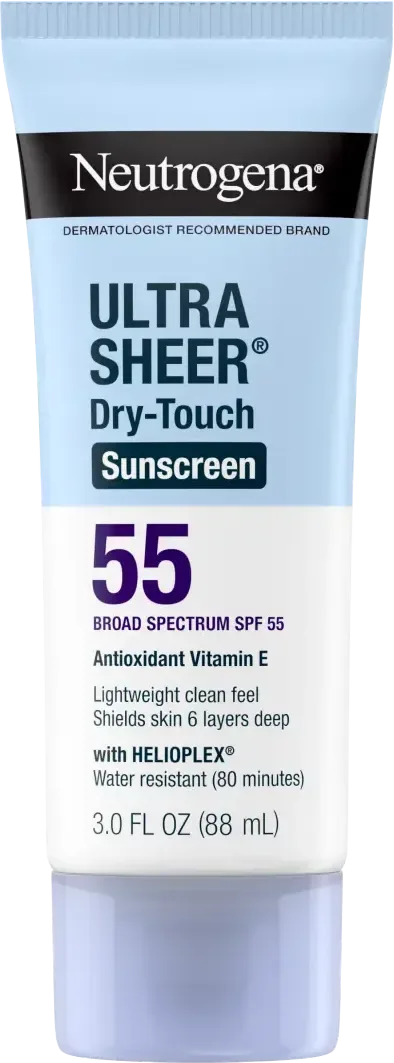
Neutrogena
A cheap, water-resistant drugstore classic with a fast-drying, non-shiny finish; it is fragranced, and white-cast reports are mixed.
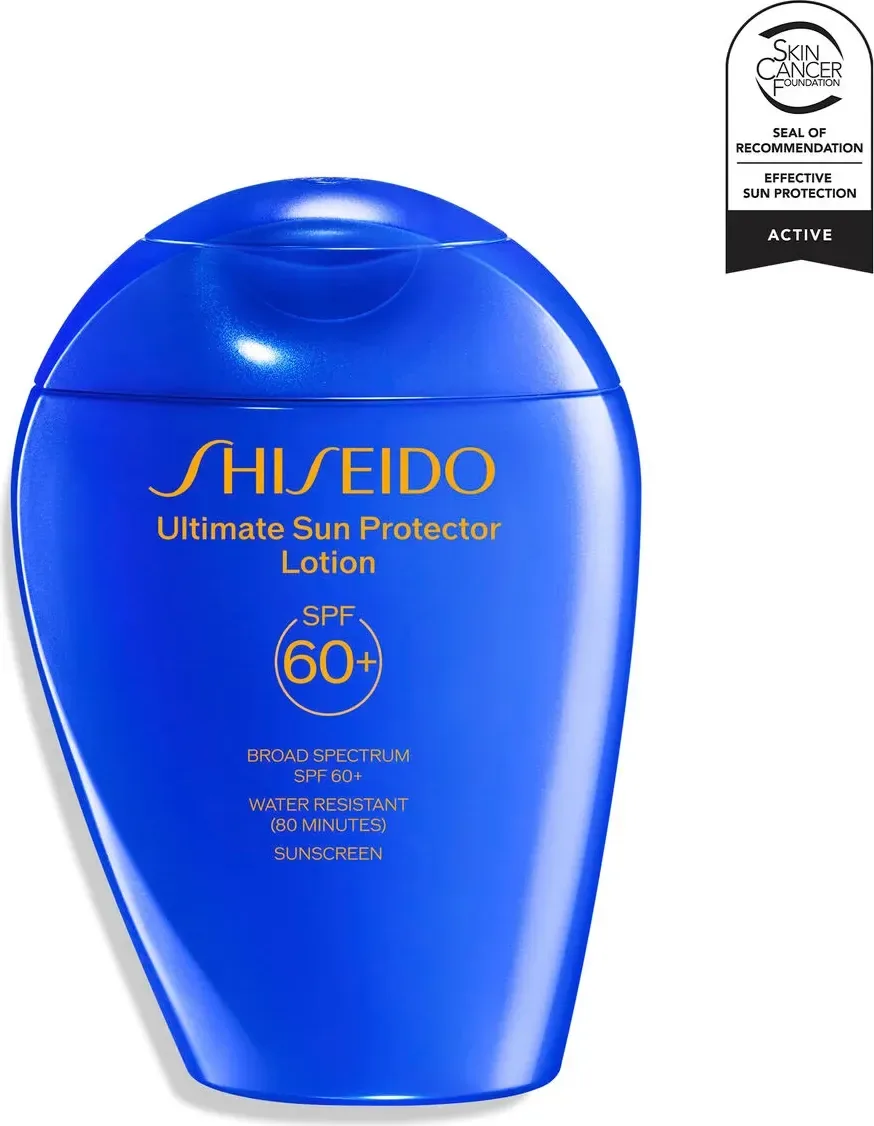
Shiseido
A luxury, invisible SPF 60+ lotion built for heat, water and sweat, with 80-minute water resistance and a steep price.
More uv filters