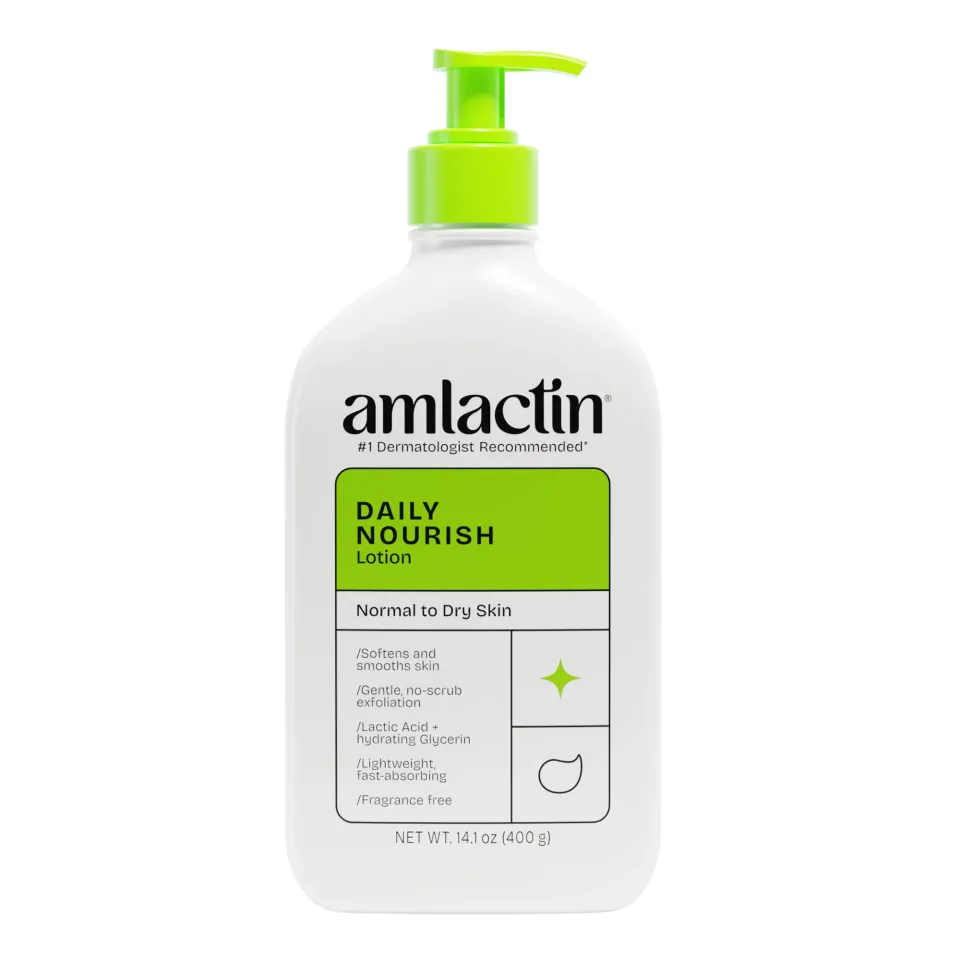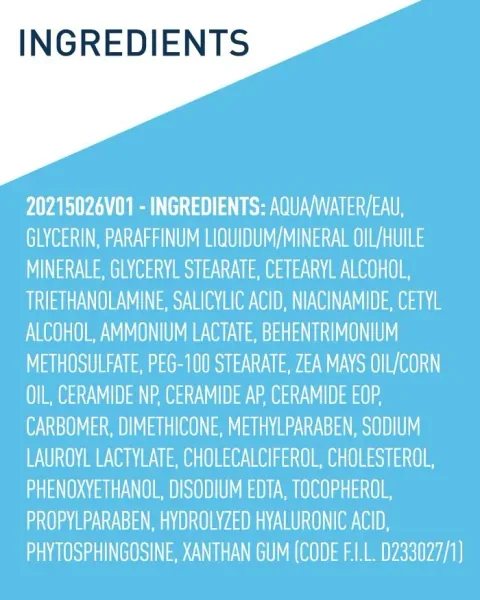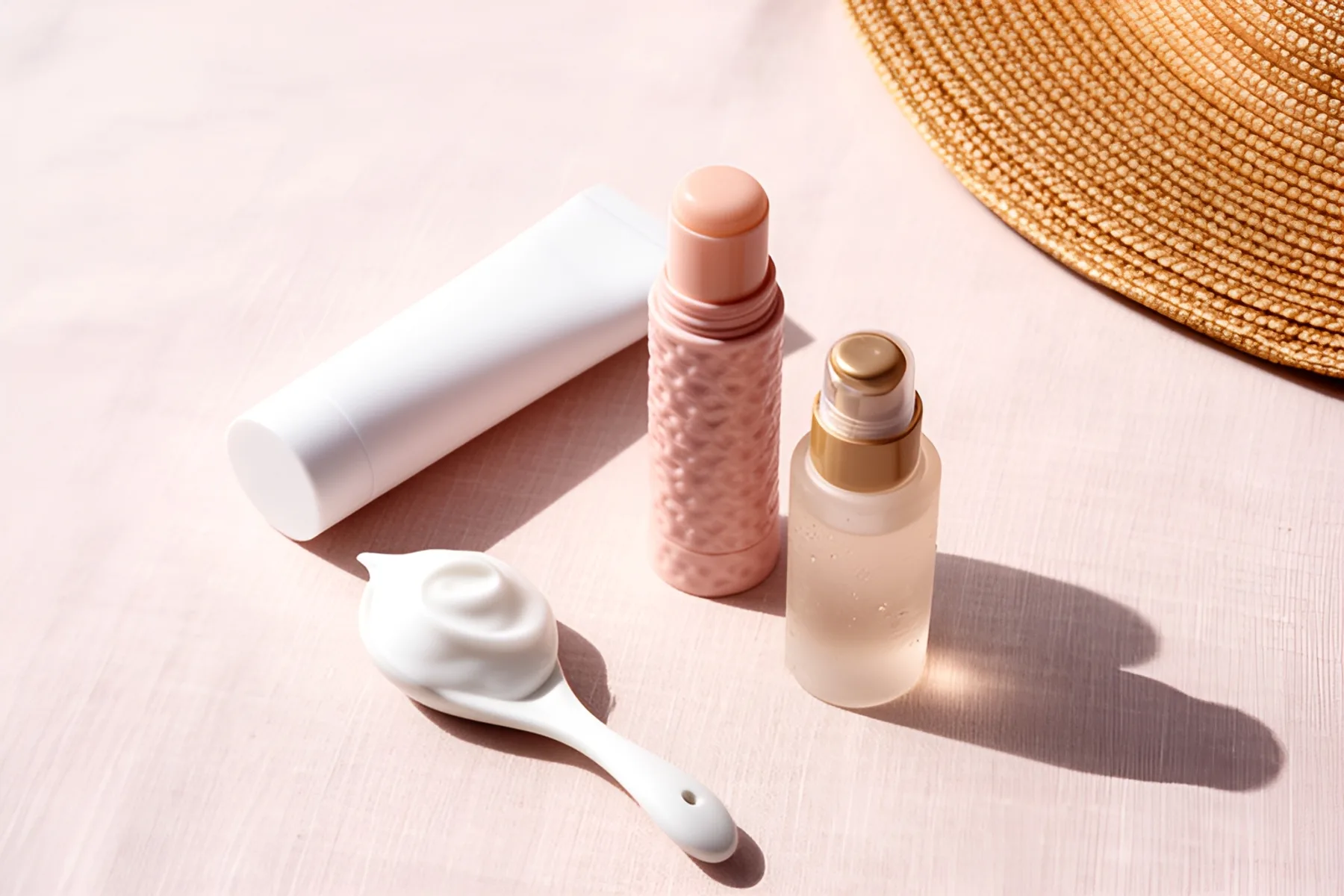
Sunscreen is the one product nearly every dermatologist agrees on, and the one that's easiest to get wrong. A great formula applied too thinly underdelivers; a basic one used generously every day does its job. This guide explains what the label numbers mean, why American, Korean and Japanese sunscreens use different filters, what changed in US rules in 2026, and how much to apply.
The short version
The American Academy of Dermatology (AAD) recommends a sunscreen that says three things on the label [4]:
- Broad spectrum, meaning it protects against both UVA and UVB.
- SPF 30 or higher. SPF 30 blocks about 97% of UVB rays [6].
- Water resistant, for swimming or sweating. Water resistance lasts either 40 or 80 minutes [4]. There's no such thing as "waterproof" sunscreen; all of them eventually wash off [1].
Then apply enough, apply about 15 minutes before going out, and reapply at least every two hours and after swimming or sweating [1][5].
What SPF and broad spectrum actually measure
SPF is a measure of sunburn protection, so it mainly reflects protection from UVB [1]. It's about the amount of sun exposure, not time: an SPF 15 does not mean you can stay out 15 times longer [1]. The FDA notes that higher SPF values, up to 50, provide greater sunburn protection [1].
UVA penetrates deeper and contributes to skin aging and skin cancer, and SPF says little about it. Each region handles UVA labeling differently:
| Region | UVA label | How it's tested |
|---|---|---|
| United States | "Broad spectrum" | Pass/fail critical wavelength test required for the claim [9] |
| Japan, South Korea and much of Asia | PA+ to PA++++ | Persistent pigment darkening (PPD) test; PA++++ is the highest grade [7][9] |
| European Union | UVA logo in a circle | UVA protection at least one-third of the labeled SPF [8][9] |
In the US, a sunscreen that isn't broad spectrum, or has an SPF below 15, must carry a warning that it has not been shown to help prevent skin cancer or early skin aging [1].
Tip: If you buy Asian sunscreens, PA++++ is the grade to look for. If you buy American, "broad spectrum" is non-negotiable.
US vs. Korean and Japanese filters
This is where the products genuinely differ. In the US, sunscreens are regulated as over-the-counter drugs, and new UV filters must meet the FDA's standard of being "generally recognized as safe and effective" (GRASE). In the EU and South Korea, sunscreens are regulated as cosmetics or quasi-drugs, which has allowed newer filters to reach shelves much faster [7]. Japan regulates sunscreens as cosmetics too, with industry standards set by the Japan Cosmetic Industry Association [9].
As a result, many Asian and European sunscreens rely on filters that were, until 2026, absent from mainstream US products [7]:
| Filter | Other names | Status |
|---|---|---|
| Bemotrizinol | Tinosorb S | Widely used abroad; added to the US monograph in June 2026 [3] |
| Bisoctrizole | Tinosorb M | Used abroad; not in the US monograph |
| Drometrizole trisiloxane | Mexoryl XL | Used abroad; not in the US monograph |
| Terephthalylidene dicamphor sulfonic acid | Mexoryl SX, ecamsule | Used abroad; available in the US only in specific FDA-approved products [1][7] |
These newer filters are broad-spectrum and photostable, and bemotrizinol and bisoctrizole are large molecules designed to stay on the skin's surface with little absorption [7]. Bemotrizinol absorbs at two peaks, around 310 nm (UVB) and 340 nm (UVA) [7].
What changed at the FDA in 2026
- June 2026: bemotrizinol added. The FDA issued a final order adding bemotrizinol at concentrations up to 6% to the US sunscreen monograph [3]. It's the first new active added to the monograph since the list of filters was set in 1999 [2][7]. Expect US products using it to appear gradually.
- September 2026: PABA and trolamine salicylate removed. The FDA finalized its finding that these two ingredients are not safe and effective for sunscreen use. The agency says it isn't aware of any US sunscreen currently containing them, so consumers don't need to do anything [2].
- Still pending. The FDA's 2021 proposal would recognize only zinc oxide and titanium dioxide (up to 25%) as GRASE, and asks for more data on 12 other filters, including avobenzone, homosalate, octisalate, octocrylene and oxybenzone [2]. "More data needed" is not the same as "unsafe," and these filters remain on the market. Other parts of the proposal, including a cap of SPF 60+ on labels, haven't been finalized [2].
Watch out: Sunscreens imported for sale online haven't been reviewed as US sunscreens. The FDA advises reading the label of any sunscreen bought outside the US to understand how it differs [1]. Buy from the brand or an authorized retailer when you can.
Mineral, chemical or hybrid?
- Mineral (physical): zinc oxide, titanium dioxide or both as the only actives. They absorb and also reflect UV [6]. Dermatologists recommend them for sensitive skin [6], and they're the two filters the FDA has proposed as GRASE [2].
- Chemical (organic): everything else, such as avobenzone, homosalate, octisalate or, now, bemotrizinol. Usually thinner and easier to rub in without a cast.
- Hybrid: a mix of both [6].
All three types form a protective layer that absorbs UV [6]. The best one is the one you'll apply generously every day.
The white cast problem, and how to avoid it
Mineral filters reflect visible light, which is what makes them look white on skin, especially on medium and deep skin tones [8]. Micronizing the particles reduces the cast but also reduces protection against visible light [8].
Ways around it:
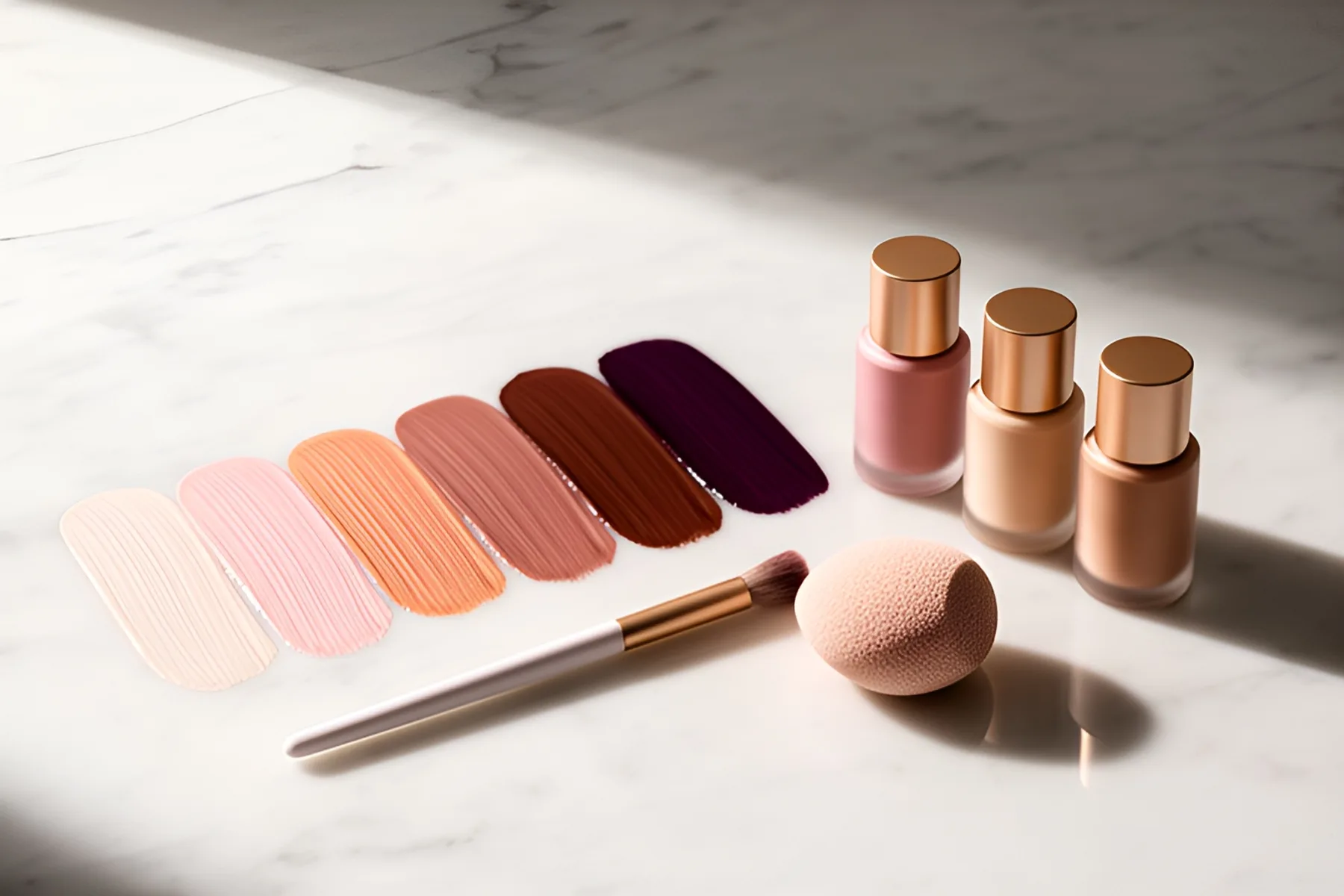
- Choose a tinted sunscreen. Tinted formulas contain iron oxides, which help protect against visible light and can avoid the white residue if the shade matches your skin [6].
- Try a chemical or hybrid formula, which typically leaves little or no cast.
- Apply in two thinner layers rather than one thick one, letting the first set.
Tinted sunscreen matters beyond looks. Visible light can increase skin darkening, particularly in darker skin tones [6], and the AAD recommends tinted sunscreen with iron oxide, SPF 30 or higher, as the foundation of treatment for dark spots [10].
How much sunscreen to use
Labeled SPF is measured by applying 2 mg of sunscreen per square centimeter of skin [8][9]. Studies show people apply only about 0.5 mg/cm² on average, so they don't get the SPF on the label [8].
| Area | AAD guidance |
|---|---|
| Face | At least 1 teaspoon, roughly enough to cover the length of your index and middle fingers [5] |
| Whole body (skin not covered by clothing) | About 1 ounce, enough to fill a shot glass [5] |
| Spray sunscreen | Spray until skin glistens, then rub in; never spray directly at the face [6] |
Remember the spots people forget: ears, nose, lips (use an SPF lip balm), the back of the neck, hands, the tops of the feet, the hairline and any exposed scalp [1].
Tip: The "two-finger" rule is a quick way to measure: squeeze two full finger-lengths of sunscreen for your face, and more for your neck. For sticks, use several slow back-and-forth passes per area, then rub in.
Reapplying over makeup
Reapply every two hours when you're outdoors [5]. Over makeup, a sunscreen stick, cushion or powder is easier than lotion, but powders and mists are hard to apply in a measured, even amount. Treat them as top-ups, not your main layer.
Matching sunscreen to your skin
| Skin | What to look for |
|---|---|
| Oily or acne-prone | Gel or fluid textures labeled non-comedogenic; many Asian "essence" sunscreens fit here |
| Dry | Lotion or cream textures; a moisturizer underneath is fine |
| Sensitive | Mineral, fragrance-free formulas [6] |
| Medium to deep skin tones | Tinted mineral, or chemical and hybrid formulas with no cast |
| Prone to dark spots or melasma | Tinted, iron oxide, SPF 30+ [10] |
| Swimming or sports | Water resistant, 80 minutes [4] |
Storing and replacing sunscreen
Don't use sunscreen past its expiration date [1]. Heat breaks it down, which is why labels say to protect the container from excessive heat and direct sun [1]. A bottle that's been in a hot car all summer is worth replacing. If you're using enough, a bottle shouldn't last long anyway.
Where sunscreen fits in your routine
Sunscreen is the last skincare step in the morning, after moisturizer and before makeup. Antioxidant serums such as vitamin C can go underneath, but nothing replaces sunscreen. If you use retinoids or exfoliating acids, daily sunscreen matters even more; see our skincare routine guide. Sunscreen is one part of sun protection, alongside shade, clothing and broad-brimmed hats [1].
Compare face options in sunscreen and body formulas in body care. If you notice a new or changing spot on your skin, see a dermatologist.
Bottom line: Choose broad-spectrum SPF 30 or higher (PA++++ for Asian formulas), in a texture you'll use every day. Apply at least a teaspoon to the face, reapply every two hours outdoors, and go tinted if white cast or dark spots are a concern. Bemotrizinol's arrival in the US is good news, but how you apply sunscreen still matters more than which filters it uses.
Good questions.
Is SPF 50 much better than SPF 30?
Only slightly, in the lab. The American Academy of Dermatology notes that SPF 30 blocks 97% of UVB rays, and higher SPFs block a little more. In real life the bigger difference is how much you apply and how often you reapply: most people use far less than the amount used in testing, so a higher SPF can help make up for thin application. Choose the highest SPF you'll actually wear generously.
Are Korean and Japanese sunscreens better than American ones?
Many use newer UV filters, such as bemotrizinol and bisoctrizole, that weren't available in US products until recently, and they often have lighter, less greasy textures. That doesn't make every Asian sunscreen better, and products imported for sale online haven't gone through FDA review as US sunscreens. The FDA advises reading the label of any sunscreen bought outside the US to understand how it differs.
What does PA++++ mean?
PA stands for Protection Grade of UVA, a system developed in Japan and widely used in Asia. It's based on a UVA test called persistent pigment darkening, and runs from PA+ (some UVA protection) to PA++++ (very high UVA protection). US labels don't use PA; they say 'broad spectrum' when a product passes the FDA's UVA test.
Do I need sunscreen indoors or on cloudy days?
UV penetrates clouds, and UVA passes through window glass, so daily sunscreen on exposed skin is the simplest habit if you'll be near windows or outdoors. If you spend the day indoors away from windows, one morning application is usually enough. Outdoors, reapply at least every two hours and after swimming or sweating.
References
The research behind this guide — open any source to read the original.
- [1]Sunscreen: How to Help Protect Your Skin from the Sun — U.S. Food and Drug Administration
- [2]Questions and Answers: FDA's regulatory actions on over-the-counter sunscreen — U.S. Food and Drug Administration
- [3]Amending Over-the-Counter Monograph M020: Sunscreen Drug Products for Over-the-Counter Human Use, and Related Information — Federal Register (June 10, 2026)
- [4]How to select a sunscreen — American Academy of Dermatology
- [5]How to apply sunscreen — American Academy of Dermatology
- [6]Sunscreen FAQs — American Academy of Dermatology
- [7]Modernizing U.S. Sunscreen Regulations: How Newer Filters Can Improve Public Health — Photodermatology, Photoimmunology & Photomedicine (2025), via PubMed
- [8]Sunscreens: A narrative review — Skin Health and Disease (2024), via PubMed
- [9]Global Perspectives on Regional Sun Protection Factor (SPF) Requirements: Scientific and Regulatory Insights — Cureus (2026), via PubMed
- [10]How to fade dark spots in darker skin tones — American Academy of Dermatology
Educational content, not medical advice. Patch-test anything new, and see a dermatologist for persistent skin or scalp concerns. Our editorial standards
Discussion
What do you think?
No discussions yet.
Tried this article? Ask a question or share how it’s working for your skin or hair — you’ll be the first.