A skincare routine doesn't need ten steps. It needs the right few, in an order that lets each one do its job, and enough patience to see whether they work. This guide covers the essentials, where active ingredients fit, how to layer them, and how to add anything new without setting your skin back.
Note: This is general guidance for healthy skin. If you have acne that isn't improving, a rash, persistent redness or any skin condition, see a board-certified dermatologist before building a routine around it.
Start with three steps
Almost every dermatologist-built routine begins with the same three products.
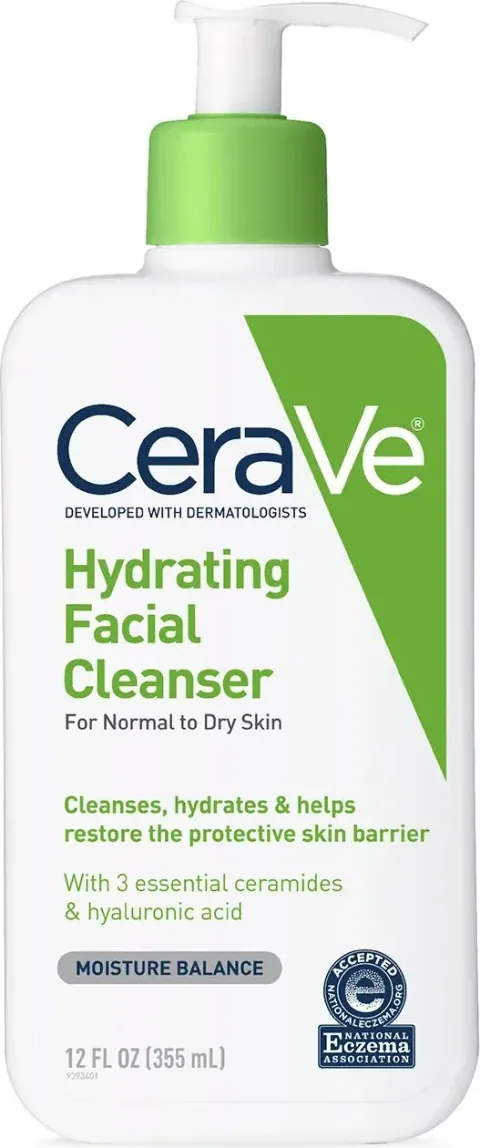
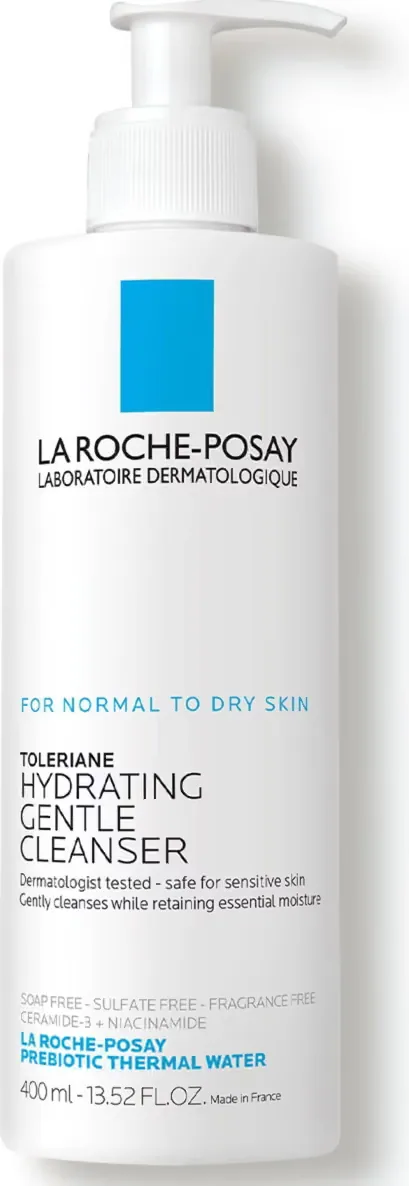
- A gentle cleanser. The American Academy of Dermatology (AAD) recommends a gentle, non-abrasive cleanser without alcohol, applied with your fingertips and rinsed with lukewarm water. Washcloths and mesh sponges can irritate, and scrubbing irritates too. Wash no more than twice a day and after sweating [1].
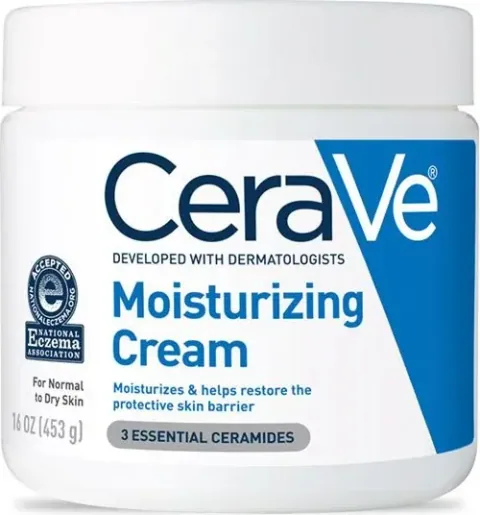
- A moisturizer. Moisturizer traps water in the skin, and the AAD notes it can make fine lines look less noticeable within days [3]. For dry skin, creams and ointments hold more moisture than lotions; ingredients such as glycerin, hyaluronic acid, dimethicone, petrolatum and shea butter are good signs [4].
- Sunscreen, every morning. A broad-spectrum sunscreen of SPF 30 or higher on all exposed skin, reapplied every two hours outdoors and after swimming or sweating [5]. For the face, the AAD suggests at least a teaspoon [5].
That's a complete routine. Everything else is optional and should earn its place by doing something specific: fading dark marks, smoothing texture, calming oil or adding hydration.
Tip: Compare picks in face cleansers, moisturizers and sunscreen. Our how we score page explains how each product's rating is built.
The layering rule: thin to thick
When you use more than one leave-on product, a simple principle keeps them working: apply them from thinnest to thickest. Watery products spread and absorb easily on bare skin. Thicker creams, oils and balms form a film that slows anything placed on top of them.
Sunscreen is the exception to "thickest last." In the morning it always goes last among your skincare, because it needs to form an even, undisturbed film to deliver its labeled protection. Makeup goes on after it.
| Step | Morning | Evening |
|---|---|---|
| 1 | Cleanser (or a rinse with water) | Cleanser; double cleanse with an oil or balm first if you wore sunscreen or makeup |
| 2 | Optional hydrating toner or essence | Optional hydrating toner or essence |
| 3 | Antioxidant serum, such as vitamin C | Treatment: retinoid, exfoliating acid or a targeted serum |
| 4 | Moisturizer | Moisturizer |
| 5 | Broad-spectrum sunscreen, SPF 30+ | Optional oil or occlusive balm on dry areas |
A few practical notes:
- Medicated products follow their label. Over-the-counter treatments such as adapalene gel or benzoyl peroxide come with directions. Follow them over any general rule.
- Give layers a moment. There's no proven ideal waiting time, but letting each layer settle for a minute reduces pilling, especially before sunscreen and makeup. The AAD notes sunscreen takes about 15 minutes to absorb and protect, so apply it before you go outside [5].
- Eye cream is a moisturizer. Apply it gently with a fingertip; the AAD warns against pulling on the thin skin around the eyes [1].
Where active ingredients fit
Actives are ingredients chosen for a specific effect. Timing matters for some of them.
| Active | Best time | Why |
|---|---|---|
| Retinoids (retinol, retinal, adapalene) | Night | They can make skin more sensitive to the sun; dermatologists advise night use plus daytime sun protection [6] |
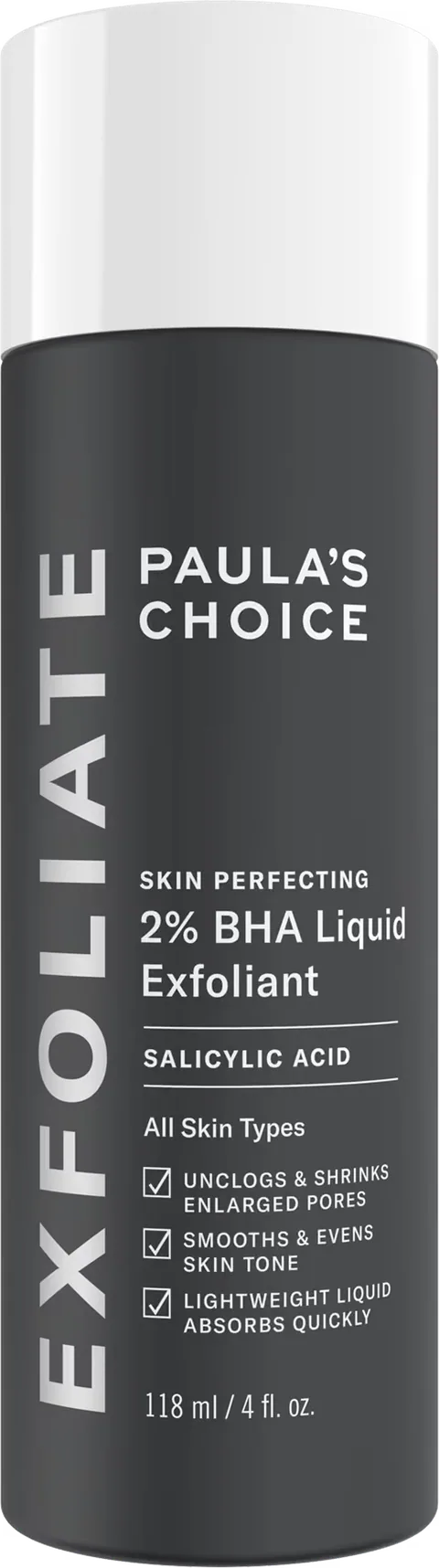
| Exfoliating acids (AHA, BHA, PHA) | Usually night | Lets you keep them apart from vitamin C and gives skin time to recover; sunscreen still matters the next day |
| Vitamin C | Morning | Antioxidant support that complements, never replaces, sunscreen |
| Niacinamide | Either | Generally well tolerated and easy to pair |
| Hydrators (glycerin, hyaluronic acid, panthenol) | Either | Fit anywhere before your moisturizer, or in it |
| Benzoyl peroxide | Per label | Can bleach fabric, so many people use it as a short-contact wash in the morning |
For a deeper look at the most common actives, see our guides to retinol, retinal and adapalene, vitamin C serums, niacinamide and chemical exfoliants.
Don't stack everything on one night
The fastest way to irritate your skin is to use several strong actives at once: a retinoid, a high-strength acid and benzoyl peroxide in the same evening, for example. If you want to use more than one, alternate nights. A common, gentler pattern is retinoid on some nights, an exfoliant on another, and "rest" nights with only cleanser and moisturizer.
The AAD's guidance on acne makes the same point from another angle: trying new treatments too often can irritate skin and cause breakouts, and it can take several weeks to a few months to see a difference [7].
Watch out: Stinging, burning or tingling means a product is irritating your skin [3]. It isn't a sign the product is "working." Irritated skin looks worse, and in darker skin tones irritation can leave dark marks that take months to fade.
How to add a new product
Introduce one product at a time. If you start three at once and break out, you won't know which one to blame.
Before it goes on your face, test it. The AAD recommends applying the product to a quarter-sized spot, such as the inner arm or the bend of the elbow, twice a day for seven to 10 days. For a wash-off product such as a cleanser, leave it on for about five minutes or as long as the directions say. If there's no redness, itching or swelling after seven to 10 days, you can use it; if a reaction appears, wash it off and stop [2].
Then give it time. According to the AAD, a moisturizer can plump fine lines within a few days, but most products take at least six weeks to work, and some take up to three months [3]. Judge a new serum at the six- to 12-week mark, not after a weekend.
A sample beginner routine
| Weeks 1–2 | Weeks 3–6 | Week 7 onward | |
|---|---|---|---|
| Morning | Cleanser, moisturizer, sunscreen | Same | Add vitamin C serum before moisturizer, if wanted |
| Evening | Cleanser, moisturizer | Add a retinoid two or three nights a week | Increase retinoid nights as tolerated |
This is a sequence, not a prescription. If your skin is dry, sensitive or acne-prone, a dermatologist can tailor it.
Adjusting for your skin type
- Dry skin. Choose a cream rather than a lotion, and look for fragrance-free products. The AAD notes that "unscented" products can still contain masking fragrance chemicals, so "fragrance-free" is the label to look for [4]. Apply moisturizer when skin feels dry and massage it in gently [4].
- Oily or acne-prone skin. Gel or lotion moisturizers and sunscreens labeled non-comedogenic ("won't clog pores") are the usual choice [7]. Don't skip moisturizer: many acne treatments are drying.
- Sensitive skin. Keep the routine short and fragrance-free. A mineral sunscreen with zinc oxide or titanium dioxide is often better tolerated [6]. Patch-test everything.
- Mature skin. A nightly retinoid and daily sunscreen are the best-studied pair for visible aging. Richer moisturizers help with the dryness retinoids can cause.
Pregnancy and breastfeeding
Some actives aren't recommended during pregnancy. The AAD advises avoiding retinoids, including over-the-counter retinol and adapalene, and discussing higher-dose salicylic acid (over 2%) and benzoyl peroxide with a dermatologist [8]. Mineral sunscreens with zinc oxide, titanium dioxide or both are suggested to limit irritation [8]. If you're pregnant, trying to conceive or breastfeeding, check your routine with your doctor or dermatologist.
Common mistakes
- Using too little sunscreen. A thin smear gives far less protection than the label promises. See our sunscreen guide for amounts.
- Over-cleansing. Washing more than twice a day, or with harsh scrubs, strips skin and can worsen both dryness and oiliness [1].
- Changing everything at once. You lose the ability to tell what helped or hurt.
- Quitting too early. Six weeks is the minimum fair trial for most products [3].
- Chasing tingles. Sensation is not efficacy; irritation is a setback [3].
- Ignoring your barrier. Tight, stinging, flaky skin is a sign to pause actives and focus on moisturizer. Our guide to skin barrier repair covers what to do.
Bottom line: Cleanse gently, moisturize and wear sunscreen every morning. Add one active at a time, layer thin to thick with sunscreen last, test new products first and give them at least six weeks. For anything that looks like a skin condition, a dermatologist beats any routine.
Good questions.
What is the correct order to apply skincare?
In general, go from thinnest to thickest: cleanser, then any watery toner or essence, then serums and treatments, then moisturizer, and in the morning sunscreen last. Prescription or over-the-counter treatments such as adapalene follow their label directions, which usually means a thin layer on clean, dry skin before moisturizer. Oils and balms go near the end because they slow what goes on top.
How long should I wait between skincare layers?
There is no proven ideal wait for most products. A minute or so lets each layer settle so the next one doesn't pill or slide, which matters most before sunscreen and makeup. With sunscreen itself, the American Academy of Dermatology notes it takes about 15 minutes to absorb and protect, so apply it before you head outside.
Do I need a toner or essence?
No. Toners and essences are optional extras. Some add hydrating ingredients or a low dose of an exfoliating acid, but a gentle cleanser, moisturizer and sunscreen cover the essentials. Add one only if it does a job your other products don't.
How many active ingredients should I use at once?
Fewer than you think. Start with one active, such as a retinoid at night or vitamin C in the morning, and wait until your skin tolerates it before adding a second. Stacking several strong actives, such as a retinoid, an acid exfoliant and benzoyl peroxide on the same night, is a common cause of irritation. If you have a skin condition, ask a dermatologist to build the plan with you.
References
The research behind this guide — open any source to read the original.
- [1]Face washing 101 — American Academy of Dermatology
- [2]How to test skin care products — American Academy of Dermatology
- [3]How to maximize results from anti-aging skin care products — American Academy of Dermatology
- [4]Dermatologists' top tips for relieving dry skin — American Academy of Dermatology
- [5]How to apply sunscreen — American Academy of Dermatology
- [6]Retinoid or retinol? — American Academy of Dermatology
- [7]Acne: Tips for managing — American Academy of Dermatology
- [8]Dermatologist-approved pregnancy skin care — American Academy of Dermatology
Educational content, not medical advice. Patch-test anything new, and see a dermatologist for persistent skin or scalp concerns. Our editorial standards
Discussion
What do you think?
No discussions yet.
Tried this article? Ask a question or share how it’s working for your skin or hair — you’ll be the first.